
Key Takeaways
- Dysplasia refers to abnormal cell changes and is not cancer, but it can sometimes progress to cancer if left unmanaged.
- Whether dysplasia is reversible depends on its type, severity, and underlying cause.
- Mild (low-grade) dysplasia has a higher chance of regression, especially when contributing factors are addressed.
- Severe (high-grade) dysplasia is less likely to reverse and often requires medical treatment.
- Early detection through regular screenings plays a crucial role in preventing progression.
- Removing underlying causes such as infections, smoking, or chronic irritation may support improvement.
- Healthy lifestyle habits can support overall cellular health, but may not be sufficient alone to reverse dysplasia.
- Regular monitoring and follow-up care are essential to track changes and guide timely treatment.
- Dysplasia can often be effectively managed when identified early and treated appropriately.
Dysplasia is a medical term that often raises concerns because it involves abnormal changes in cells. While dysplasia itself is not cancer, it is considered a precancerous condition in some cases. As a result, many people wonder whether dysplasia can be reversed and what steps can help prevent it from progressing.
The answer is not always straightforward. The potential for dysplasia to reverse depends on several factors, including its severity, location in the body, and underlying causes. Understanding how dysplasia develops and how it is managed can help individuals make informed decisions about their health.
What Is Dysplasia?
Dysplasia refers to the abnormal growth or development of cells within a tissue. Under a microscope, dysplastic cells appear different from normal healthy cells in terms of size, shape, and organization.
Although dysplasia is not cancer, it may increase the risk of developing cancer over time if left untreated. However, not all cases progress to cancer. In some situations, dysplastic cells remain stable or even return to a more normal appearance.
Dysplasia can occur in various parts of the body, including:
- The cervix
- The colon
- The esophagus
- The skin
- The stomach and other organs
The significance of dysplasia depends largely on where it occurs and how severe the cellular changes are.
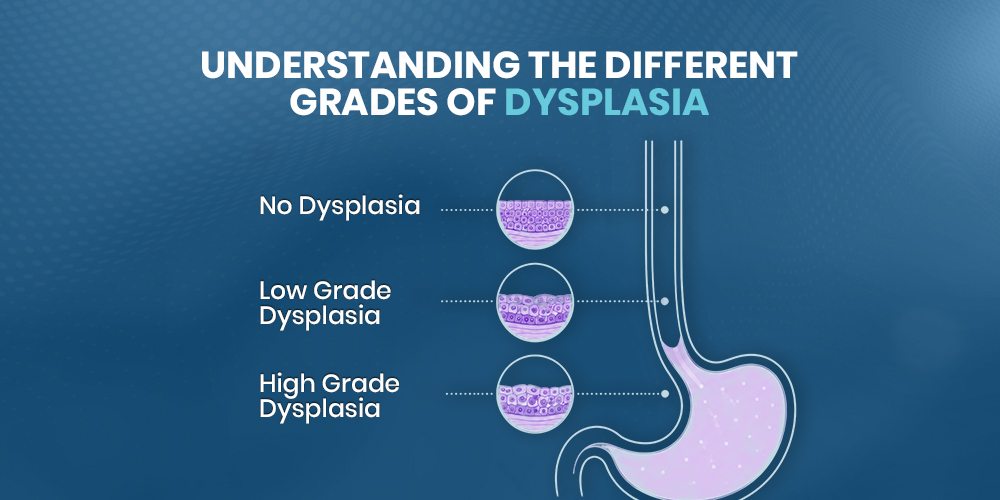
Understanding the Different Grades of Dysplasia
Healthcare professionals typically classify dysplasia according to its severity. This grading helps determine the risk of progression and guides treatment decisions.
Mild Dysplasia (Low-Grade Dysplasia)
Mild dysplasia involves minor abnormalities in the affected cells. These changes are usually confined to a small portion of the tissue.
In many cases, low-grade dysplasia may improve or disappear, especially when the underlying cause is addressed. For example, cervical dysplasia associated with certain infections may regress naturally over time.
Although low-grade dysplasia often has a favourable outlook, regular monitoring remains important to ensure the condition does not worsen.
Moderate Dysplasia
Moderate dysplasia represents a greater degree of cellular abnormality. The changes extend deeper into the tissue and may require closer observation.
At this stage, spontaneous regression is still possible. However, healthcare providers may recommend additional testing, surveillance, or treatment depending on the location and individual circumstances.
Severe Dysplasia (High-Grade Dysplasia)
Severe dysplasia involves significant abnormalities affecting a larger portion of the tissue. This type is considered more serious because it carries a higher risk of progressing to cancer if left untreated.
While severe dysplasia is still not cancer, medical intervention is often recommended to remove or treat the abnormal cells and reduce future risks.
Is Dysplasia Reversible?
The possibility of reversing dysplasia depends on several factors. In some cases, dysplasia can regress naturally or after the underlying cause is removed. In others, the abnormal changes may persist or progress despite intervention.
Generally, low-grade dysplasia has the greatest chance of reversal. The body’s natural repair mechanisms can sometimes eliminate abnormal cells, particularly when contributing factors are addressed.
For example, cervical dysplasia caused by a human papillomavirus (HPV) infection may improve as the immune system clears the virus. Similarly, dysplasia related to chronic irritation may regress once the source of irritation is removed.
However, higher-grade dysplasia is less likely to reverse on its own. Because these cellular abnormalities are more extensive, healthcare providers often recommend treatment rather than waiting for spontaneous improvement.
Therefore, while dysplasia can be reversible in certain situations, each case requires individual evaluation and appropriate medical follow-up.
Factors That May Influence Dysplasia Reversal
Several factors influence whether dysplasia improves, remains stable, or progresses over time.
Early Detection
Early detection plays a major role in improving outcomes.
Routine screenings help identify abnormal cellular changes before symptoms develop. Detecting dysplasia in its early stages often allows healthcare providers to monitor the condition closely and intervene when necessary.
The earlier dysplasia is identified, the greater the opportunity to prevent progression and manage potential risks.
Removal of Underlying Causes
Addressing factors that contribute to abnormal cell growth may improve the likelihood of regression.
Examples include:
- Quitting tobacco use
- Managing chronic inflammation
- Treating certain infections
- Reducing exposure to harmful environmental irritants
For instance, smoking has been linked to various forms of dysplasia, including cervical and oral dysplasia. Eliminating tobacco exposure may support healthier cellular function and reduce ongoing damage.
Lifestyle and Health Factors
Overall health may also influence the body’s ability to repair abnormal tissues.
While lifestyle changes cannot guarantee reversal, maintaining healthy habits may support normal cellular processes. These habits include:
- Eating a balanced diet rich in fruits and vegetables
- Engaging in regular physical activity
- Getting adequate sleep
- Managing stress effectively
- Following medical recommendations
A healthy immune system may also play a role in controlling certain infections and reducing the likelihood of persistent cellular abnormalities.
Can Dysplasia Progress to Cancer?
One of the primary concerns surrounding dysplasia is its potential relationship with cancer.
Dysplasia is often considered a precancerous condition because the affected cells show abnormal characteristics that may eventually lead to malignancy. However, it is important to remember that dysplasia is not cancer.
Many cases never progress to cancer, particularly when they are detected early and appropriately monitored.
The risk of progression generally increases as the severity of dysplasia increases. High-grade dysplasia carries a greater likelihood of developing into cancer compared to low-grade dysplasia.
The timeline for progression can vary significantly depending on the type of dysplasia and individual factors. Some cases remain unchanged for years, while others may progress more rapidly.
This is why regular screenings and follow-up appointments are essential. Monitoring allows healthcare providers to identify concerning changes and intervene before cancer develops.
How Is Dysplasia Managed?
The management approach depends on several factors, including the location, severity, and underlying cause of the dysplasia.
Monitoring and Surveillance
For mild or low-risk dysplasia, healthcare providers may recommend careful observation rather than immediate treatment.
Monitoring may involve:
- Routine physical examinations
- Repeat biopsies
- Follow-up imaging studies
- Periodic screening tests
This approach allows healthcare providers to track changes over time and determine whether the dysplasia is improving, stable, or progressing.
Medical and Surgical Treatments
When dysplasia is moderate to severe or shows signs of progression, treatment may be recommended.
Treatment options vary depending on the affected tissue and may include:
- Removal of abnormal tissue
- Minimally invasive procedures
- Endoscopic treatments
- Surgical excision
- Other targeted interventions
The goal of treatment is to eliminate abnormal cells before they develop into cancer.
For example, cervical dysplasia may be treated using procedures that remove affected tissue, while dysplasia in the digestive tract may require endoscopic interventions.
Healthcare providers tailor treatment plans to each individual’s specific condition and risk profile.
Signs That Require Medical Attention
Dysplasia often causes no symptoms, which is why screening programs are so important.
However, individuals should seek medical attention if they experience:
- Persistent or unusual symptoms
- Abnormal bleeding
- Changes in bowel habits
- Persistent skin changes
- Difficulty swallowing
- Unexplained pain or discomfort
Additionally, anyone who receives abnormal screening results should follow up promptly with their healthcare provider.
Regular communication with a medical professional helps ensure that any concerning changes are evaluated appropriately.
Advancing Treatment Options Through Cancer Clinical Research
Oncology clinical trials play a crucial role in advancing cancer care by evaluating potential new treatment options, improving existing therapies, and helping researchers understand how different cancers respond to interventions. These studies may offer patients access to innovative approaches that may not yet be widely available and contribute to the development of future standards of care. For example, colorectal cancer clinical trials in Nebraska represent ongoing efforts to explore better ways to treat and manage colorectal cancer, with the aim of improving patient outcomes and survival rates through evidence-based research.
Conclusion:
In conclusion, dysplasia involves abnormal cell changes that may increase cancer risk. Its reversibility depends on the location, severity, and cause. While mild cases may improve with early intervention and lifestyle changes, high-grade dysplasia often needs medical treatment. Regular screening, timely management, and follow-up care remain essential to prevent progression and support long-term health outcomes.
Frequently Asked Questions
How Long Does It Take for Dysplasia to Go Away?
The timeframe varies widely depending on the type and severity of dysplasia.
Some low-grade cases may regress within months to a few years, while others may persist for longer periods. Regular monitoring helps determine how the condition is changing over time.
Can Lifestyle Changes Reverse Dysplasia?
Lifestyle changes alone may not reverse dysplasia. However, healthy habits can support overall wellness and may help reduce factors that contribute to abnormal cellular changes.
Healthcare providers typically recommend combining healthy lifestyle practices with appropriate medical monitoring.
Is High-Grade Dysplasia Always Cancer?
No. High-grade dysplasia is not cancer.
However, it involves significant cellular abnormalities and carries a higher risk of progressing to cancer if left untreated. This is why medical evaluation and treatment are often recommended.
Can Dysplasia Return After Treatment?
Yes. In some cases, dysplasia can recur after treatment.
The risk depends on factors such as the underlying cause, treatment effectiveness, and individual health characteristics. Ongoing follow-up care helps detect any recurrence as early as possible.