

Key Takeaways
- Dysplasia refers to abnormal cell growth and is considered a precancerous condition, but it is not cancer.
- Dysplasia is typically classified as either low-grade dysplasia (LGD) or high-grade dysplasia (HGD) based on the severity of cellular abnormalities.
- Low-grade dysplasia involves mild to moderate cell changes and generally carries a lower risk of progressing to cancer.
- In some cases, low-grade dysplasia may remain stable or even regress, especially when underlying causes are addressed.
- High-grade dysplasia involves severe cellular abnormalities and is associated with a significantly higher risk of developing into invasive cancer.
- Low-grade dysplasia is often managed through regular monitoring and follow-up testing, while high-grade dysplasia usually requires prompt treatment or removal of abnormal tissue.
- Common areas where dysplasia occurs include the cervix, colon, esophagus, oral tissues, and skin.
- Routine screenings and early detection play a crucial role in identifying dysplasia before it progresses to cancer.
- Lifestyle changes, preventive care, and timely medical intervention can help reduce the risk of progression and support long-term health.
What Is Dysplasia?
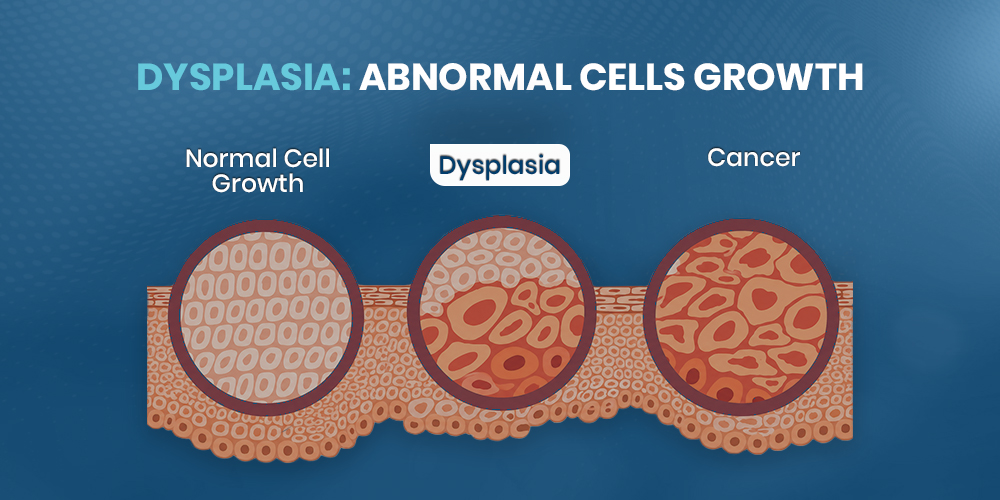
Dysplasia occurs when cells undergo abnormal growth and development. Under a microscope, these cells appear different from normal, healthy cells. While dysplastic cells may show unusual characteristics, they remain confined to their original location and do not invade nearby tissues.
Dysplasia can develop in various organs and tissues throughout the body. In many cases, it is detected during routine screenings, biopsies, or examinations performed to investigate symptoms or monitor existing conditions.
The severity of dysplasia is typically classified into two categories:
- Low-grade dysplasia (LGD)
- High-grade dysplasia (HGD)
The distinction between these categories is based on how abnormal the cells appear and their likelihood of progressing to cancer.
What Is Low-Grade Dysplasia?
Low-grade dysplasia refers to mild to moderate abnormalities in cell appearance and organization. The affected cells show some changes compared to normal cells, but they still maintain many of their original characteristics.
Characteristics of Low-Grade Dysplasia
Cells with low-grade dysplasia generally:
- Show mild structural abnormalities.
- Have slight changes in cell size and shape.
- Maintain relatively normal tissue organization.
- Resemble healthy cells more closely than cancer cells.
- Remain confined to the tissue where they originated.
Because the cellular changes are less severe, low-grade dysplasia is generally associated with a lower risk of cancer development.
Risk of Progression
The risk of progression varies depending on the affected organ and underlying cause. In some cases, low-grade dysplasia may remain stable for years without significant changes. Certain forms may even regress and return to normal, particularly when contributing factors are addressed.
For example, low-grade cervical dysplasia associated with human papillomavirus (HPV) infection may resolve on its own as the body’s immune system clears the infection.
Management of Low-Grade Dysplasia
Because the risk of cancer progression is relatively low, healthcare providers often recommend close monitoring rather than immediate treatment.
Management may include:
- Regular follow-up examinations
- Repeat biopsies
- Routine screening tests
- Lifestyle modifications
- Treatment of underlying causes
The goal is to monitor for any signs of progression while avoiding unnecessary procedures.
Read more: Is Tubular Adenoma with Low-Grade Dysplasia a Cancer? – An Overview
What Is High-Grade Dysplasia?
High-grade dysplasia represents a more advanced stage of abnormal cellular change. The affected cells appear significantly abnormal and may closely resemble cancer cells under microscopic examination.
Although high-grade dysplasia is not yet cancer, it is often considered the final step before invasive malignancy develops.
Characteristics of High-Grade Dysplasia
Cells with high-grade dysplasia typically:
- Show severe abnormalities in size, shape, and structure.
- Have markedly distorted nuclei.
- Exhibit significant disorganization within the tissue.
- Closely resemble cancerous cells.
- Display a higher rate of abnormal cell division.
These changes indicate a greater loss of normal cellular control and function.
Risk of Progression
High-grade dysplasia carries a substantially higher risk of progressing to invasive cancer if left untreated. While not every case will become cancerous, the probability is much greater than with low-grade dysplasia.
Because of this increased risk, healthcare providers usually consider high-grade dysplasia a serious finding that requires prompt evaluation and management.
Management of High-Grade Dysplasia
Treatment recommendations are often more aggressive than those used for low-grade dysplasia.
Depending on the location and extent of the abnormal tissue, treatment options may include:
- Surgical removal
- Endoscopic resection
- Laser therapy
- Ablation procedures
- Specialized excision techniques
The primary objective is to remove or destroy the abnormal cells before they develop into invasive cancer.
Low-Grade vs High-Grade Dysplasia: Key Differences
Understanding the differences between low-grade and high-grade dysplasia can help patients better understand their diagnosis and treatment options.
| Feature | Low-Grade Dysplasia | High-Grade Dysplasia |
|---|---|---|
| Cell appearance | Mild to moderate abnormalities | Severe abnormalities |
| Tissue organization | Mostly preserved | Significantly disrupted |
| Similarity to normal cells | Closer to normal cells | Closer to cancer cells |
| Cancer risk | Lower | Much higher |
| Potential for regression | Possible | Less likely |
| Typical management | Monitoring and surveillance | Active treatment or removal |
| Urgency | Usually less urgent | Often requires prompt intervention |
While both forms involve abnormal cells, high-grade dysplasia is considered a much more significant warning sign for potential cancer development.
Common Areas Where Dysplasia Occurs
Dysplasia can occur in several parts of the body. Some locations are more commonly affected due to chronic inflammation, infections, or environmental exposures.
Cervical Dysplasia
Cervical dysplasia affects the cells lining the cervix and is commonly associated with persistent HPV infection.
Routine screening tests, such as Pap smears, help detect abnormal cervical cells before cancer develops. Depending on the severity of the findings, healthcare providers may recommend monitoring, additional testing, or treatment.
Colon Dysplasia
Colon dysplasia often develops within colon polyps. During a colonoscopy, physicians can identify and remove suspicious polyps before they progress to colorectal cancer.
The grade of dysplasia found within a polyp plays an important role in determining future surveillance and treatment recommendations.
Barrett’s Esophagus
Barrett’s esophagus occurs when chronic acid reflux causes changes in the lining of the esophagus.
Patients with Barrett’s esophagus may develop low-grade or high-grade dysplasia over time. Because high-grade dysplasia significantly increases the risk of esophageal cancer, careful monitoring and timely treatment are essential.
Oral Dysplasia
Oral dysplasia affects the tissues inside the mouth and may be associated with tobacco use, alcohol consumption, chronic irritation, or HPV infection.
Early identification allows healthcare providers to monitor abnormal lesions and intervene when necessary.
Skin Dysplasia
Certain skin lesions can exhibit dysplastic changes. Regular skin examinations can help detect abnormal growths and prevent progression to more serious conditions.
What Causes Dysplasia?
Several factors can contribute to the development of dysplasia, including:
- Persistent viral infections
- Chronic inflammation
- Long-term irritation of tissues
- Tobacco use
- Excessive alcohol consumption
- Environmental exposures
- Genetic factors
- Gastroesophageal reflux disease (GERD)
The specific cause often depends on the tissue involved and individual risk factors.
Can Dysplasia Be Prevented?
While not all cases can be prevented, several strategies may help reduce the risk of developing dysplasia:
- Participating in routine screening programs
- Receiving recommended HPV vaccinations
- Avoiding tobacco products
- Limiting alcohol consumption
- Managing chronic inflammatory conditions
- Following treatment plans for reflux disease
- Maintaining regular medical checkups
Early detection remains one of the most effective ways to prevent dysplasia from progressing to cancer.
When Should You Seek Medical Advice?
Many forms of dysplasia do not cause symptoms, which is why regular screenings are so important. However, individuals should seek medical evaluation if they experience persistent symptoms such as:
- Unusual bleeding
- Changes in bowel habits
- Difficulty swallowing
- Persistent mouth sores
- New or changing skin lesions
Prompt assessment can help identify underlying conditions and guide appropriate treatment.
Conclusion
Dysplasia refers to abnormal cellular changes that may increase the risk of cancer development. The primary difference between low-grade and high-grade dysplasia lies in the severity of the cellular abnormalities and their likelihood of progressing to cancer. Low-grade dysplasia often carries a lower risk and may be managed through careful monitoring, while high-grade dysplasia typically requires prompt treatment due to its significantly higher cancer potential. Understanding these distinctions can help patients make informed decisions and emphasize the importance of regular screenings, early detection, and appropriate medical follow-up.