

Key Takeaways
- Lymphoma can develop in the anterior cervical lymph nodes and other lymphatic tissues.
- Swollen lymph nodes in the neck are commonly associated with infections and inflammation.
- Persistent, firm, or progressively enlarging lymph nodes may require further medical evaluation.
- Follicular lymphoma, diffuse large B-cell lymphoma, and mantle cell lymphoma can all involve cervical lymph nodes.
- A lymph node biopsy is an important diagnostic tool for confirming lymphoma.
- Clinical trials are investigating potential treatment options for different lymphoma subtypes.
Quick Answer
Lymphoma can develop in lymph nodes throughout the body, including the anterior cervical lymph nodes. These nodes are part of the lymphatic system, which helps the body fight infections and maintain immune function. When lymphoma affects these nodes, swelling may be one of the noticeable signs. However, an enlarged lymph node alone cannot confirm lymphoma. Understanding the location of cervical lymph nodes, possible causes of swelling, associated symptoms, and diagnostic procedures can help people make informed decisions about seeking medical evaluation.
Understanding the Anterior Cervical Lymph Nodes
The anterior cervical lymph nodes are located toward the front of the neck. They form part of the body’s lymphatic network and help filter lymph fluid while supporting immune responses.
These nodes receive lymphatic drainage from areas such as the tongue, oropharynx, and anterior neck. They may become enlarged when the body responds to infections affecting nearby tissues, including the throat and upper respiratory tract.
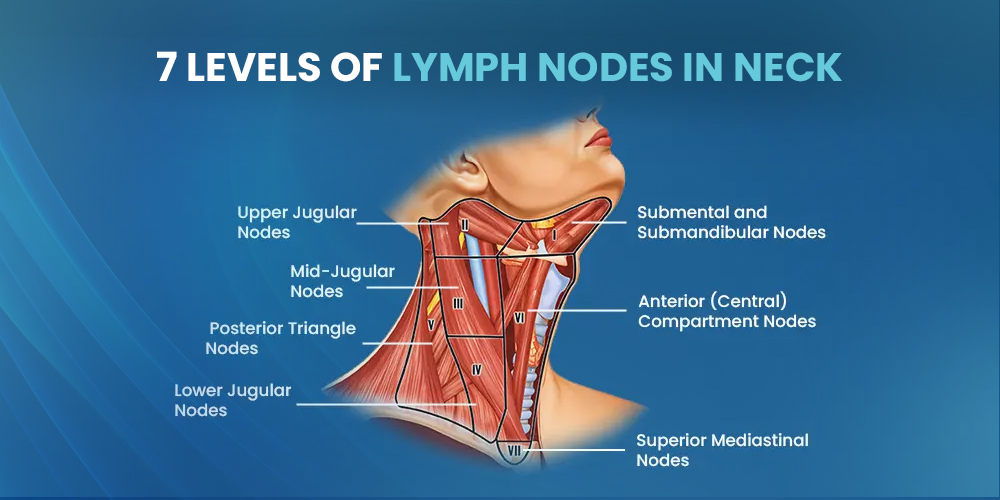
Where Do They Fit Within Cervical Lymph Nodes Levels?
Healthcare professionals use anatomical classifications called cervical lymph nodes levels to describe the location of lymph nodes in the neck. This classification helps clinicians communicate examination and imaging findings more accurately.
The commonly used levels include:
- Level I: Submental and submandibular lymph nodes, located beneath the chin and jaw.
- Level II: Upper jugular lymph nodes, extending from the skull base to the hyoid bone.
- Level III: Middle jugular lymph nodes, located between the hyoid bone and cricoid cartilage.
- Level IV: Lower jugular lymph nodes, extending toward the collarbone.
- Level V: Lymph nodes in the posterior triangle of the neck.
- Level VI: Lymph nodes in the anterior central compartment of the neck.
- Level VII: Superior mediastinal lymph nodes, located in the upper mediastinum below the suprasternal notch.
It is important to understand that the term anterior cervical lymph nodes describe a general anatomical region, while the numbered levels provide more precise locations. The exact classification depends on the node’s position and surrounding anatomical landmarks.
Can Lymphoma Develop in the Anterior Cervical Lymph Nodes?
Lymphoma can affect the anterior cervical lymph nodes because lymphoma begins in lymphocytes, a type of white blood cell found throughout the lymphatic system. When these cells develop abnormal changes and multiply uncontrollably, they can accumulate in lymph nodes and form enlarged masses.
Both Hodgkin lymphoma and non-Hodgkin lymphoma can involve cervical lymph nodes. The disease may initially affect one group of nodes or involve multiple lymph node regions, depending on its type and progression.
Some possible signs of lymphoma involving the neck include:
- A persistent lump or swelling in the front or sides of the neck
- Enlarged lymph nodes that may feel firm or rubbery
- Swelling that continues to grow or does not resolve
- Unexplained fever
- Recurrent night sweats
- Unintentional weight loss
- Persistent fatigue
These symptoms are not exclusive to lymphoma. For example, infections and other inflammatory conditions can produce similar changes. Some people with lymphoma may also have no noticeable symptoms beyond enlarged lymph nodes. Therefore, a clinical assessment is necessary to determine the underlying cause.

What Causes Swollen Cervical Lymph Nodes?
Swollen cervical lymph nodes usually develop when the immune system responds to an infection, inflammation, or another condition affecting the body.
Common causes include:
1. Viral infections
Colds, influenza, and other viral infections can cause lymph nodes in the neck to enlarge. Swelling may improve as the infection resolves, although the nodes can take several weeks to return to their usual size.
2. Bacterial infections
Conditions such as strep throat, tonsillitis, and dental infections can trigger inflammation in nearby lymph nodes.
3. Immune system conditions
Certain autoimmune and inflammatory disorders can cause lymph node enlargement as part of a broader immune response.
4. Lymphoma and other cancers
Lymphoma can directly affect lymph nodes, while cancers originating elsewhere may also spread to lymph nodes in the neck.
The size, location, duration, and physical characteristics of a swollen node can help guide further evaluation. However, none of these features alone can establish a cancer diagnosis.
Can Allergies Cause Swollen Lymph Nodes?
A common concern is whether allergies can explain an enlarged lymph node in the neck.
The answer requires some distinction. Typical allergic reactions, including allergic rhinitis, usually cause symptoms such as sneezing, nasal congestion, itching, and watery eyes rather than directly causing enlarged lymph nodes.
However, symptoms that resemble allergies may sometimes be associated with an infection. For example, infectious rhinitis can involve throat inflammation and cervical lymph node enlargement.
Therefore, if someone experiences persistent neck swelling alongside what they believe are allergy symptoms, it is worth discussing both with a healthcare professional rather than automatically attributing the swelling to an allergy.
Which Types of Lymphoma Can Affect Cervical Lymph Nodes?
Different types of lymphoma can involve lymph nodes in the neck. Their growth patterns, symptoms, and treatment approaches vary.
Three important types include:
1. Follicular Lymphoma
Follicular lymphoma is generally a slow-growing form of non-Hodgkin B-cell lymphoma. It develops from abnormal B lymphocytes and commonly affects lymph nodes.
Some individuals may notice painless swelling in the neck, armpits, or groin. Others may experience fatigue, fever, night sweats, or unexplained weight loss.
Because follicular lymphoma can progress slowly, some patients may not require immediate treatment. Depending on the disease characteristics, healthcare providers may recommend regular monitoring or treatment.
Research into Follicular Lymphoma Clinical Trials continues to explore potential treatment approaches, including therapies for patients whose disease has returned or has not responded to previous treatment.
2. Diffuse Large B-Cell Lymphoma (DLBCL)
Diffuse Large B-Cell Lymphoma is an aggressive type of non-Hodgkin lymphoma that typically grows faster than follicular lymphoma.
It can develop in lymph nodes throughout the body, including those in the neck. Patients may notice rapidly enlarging lymph nodes, unexplained fever, night sweats, or weight loss.
Diagnosis and treatment planning are important because DLBCL can progress quickly. Treatment options depend on the disease subtype, stage, previous treatment, and the patient’s overall health.
Ongoing Diffuse Large B-Cell Lymphoma Clinical Trials investigate potential therapies and different treatment combinations, particularly for patients with relapsed or refractory disease.
3. Mantle Cell Lymphoma
Mantle cell lymphoma is another type of non-Hodgkin B-cell lymphoma. It develops from B lymphocytes in the mantle zone of lymphoid follicles and can affect lymph nodes, bone marrow, and the spleen.
Some patients experience enlarged lymph nodes, fatigue, night sweats, or unexplained weight loss. The disease can have different patterns of progression, and its clinical behavior varies between individuals.
Mantle Cell Lymphoma Clinical Trials are helping researchers investigate targeted treatments and other potential approaches for managing this condition, including in patients whose disease has returned or stopped responding to previous therapies.
How Is Lymphoma in the Anterior Cervical Lymph Nodes Diagnosed?
If a healthcare professional suspects lymphoma, they may recommend several investigations to identify the cause of swelling and determine whether abnormal lymphocytes are present.
The diagnostic process may include:
1. Physical examination
The healthcare provider examines the neck and other lymph node regions to assess the size, location, consistency, and mobility of enlarged nodes. They may also ask about the duration of swelling and associated symptoms.
2. Blood tests
A complete blood count (CBC) and other blood tests may help assess blood cell levels and identify findings that require further investigation. Blood tests alone cannot confirm or exclude lymphoma.
3. Imaging tests
Ultrasound, CT scans, or PET/CT scans may be recommended to examine enlarged lymph nodes and assess whether other areas of the body are affected.
4. Lymph node biopsy
A lymph node biopsy is an important step in confirming lymphoma. A tissue sample is examined under a microscope, with additional laboratory tests such as immunohistochemistry and flow cytometry used when appropriate.
An excisional biopsy, in which all or part of a lymph node is removed, is commonly preferred when feasible because it provides tissue for detailed examination. The appropriate biopsy method depends on the individual clinical situation.
When Should You See a Healthcare Professional?
Not every enlarged lymph node requires extensive testing. However, certain changes should not be ignored.
Consider arranging a medical evaluation if you notice:
- A swollen lymph node that persists for several weeks.
- A lump that continues to increase in size.
- Firm or fixed lymph nodes.
- Unexplained fever or recurring night sweats.
- Unintentional weight loss.
- Persistent fatigue alongside unexplained swelling.
Seek immediate medical attention if neck swelling is accompanied by difficulty breathing or swallowing.
Early medical evaluation can help identify the cause and determine whether further investigations are needed.
The Role of Clinical Trials in Lymphoma Research
Understanding the different types of lymphoma is important because treatment approaches vary according to the diagnosis, disease stage, and individual health factors.
Clinical trials play an important role in evaluating investigational treatments, studying treatment combinations, and improving the understanding of different lymphoma subtypes.
For individuals diagnosed with lymphoma, research opportunities may be worth discussing with their healthcare providers. Some studies investigate treatments for newly diagnosed patients, while others focus on relapsed or refractory disease.
At NHO Revive, clinical research focuses on advancing potential treatment options for people affected by hematological and oncological conditions. Its research programs include studies involving Follicular Lymphoma Clinical Trials, Diffuse Large B-Cell Lymphoma Clinical Trials and Mantle Cell Lymphoma Clinical Trials.
Clinical trial eligibility depends on the specific study requirements, medical history, previous treatments, and other factors. Participation is voluntary, and patients should discuss potential benefits and risks with their healthcare providers before making a decision.
Conclusion
When asking, can lymphoma develop in the anterior cervical lymph nodes? keep in mind that lymphoma can affect these lymph nodes, just as it can involve other lymphatic tissues throughout the body. However, an enlarged node in the front of the neck does not automatically indicate cancer.
Infections, inflammatory conditions, and other health concerns are also common causes of cervical lymph node enlargement. Persistent swelling, unexplained growth, and accompanying symptoms should be evaluated by a healthcare professional.
Understanding the possible causes, recognizing warning signs, and seeking appropriate diagnostic testing can help patients take informed steps toward their health. For individuals diagnosed with lymphoma, clinical research at organizations such as NHO Revive continues to explore potential treatment approaches and contribute to advancements in cancer care.
Frequently Asked Questions
Can lymphoma start in the front of the neck?
Lymphoma can affect lymph nodes in the anterior cervical region. It may cause a noticeable lump or persistent swelling, although other conditions can produce similar symptoms.
Are anterior cervical lymph nodes cancerous?
Anterior cervical lymph nodes are normal structures of the immune system. They may become enlarged due to infections, inflammation, or other medical conditions. Enlargement does not automatically mean cancer.
How can you tell if a swollen cervical lymph node is lymphoma?
There is no reliable way to identify lymphoma by touch alone. Persistent or progressively enlarging lymph nodes, particularly when accompanied by unexplained fever, night sweats, or weight loss, should be evaluated. A biopsy may be necessary to confirm the diagnosis.
Can allergies cause swollen lymph nodes in the neck?
Typical allergies do not usually cause enlarged lymph nodes directly. However, infections that produce symptoms like allergies may cause cervical lymph node swelling. Persistent swelling should be assessed separately.