Key Takeaways:
- Lung cancer is the top cancer killer in the U.S., claiming more lives than breast, colon, and prostate cancers combined.
- There are two main types: non-small cell lung cancer (NSCLC) and small cell lung cancer (SCLC).
- Early signs of lung cancer are easy to miss. A cough that lingers for more than two to three weeks is worth checking.
- The lung cancer survival rate improves dramatically with early detection and timely treatment.
- Smoking is the leading cause, but non-smokers can and do develop lung cancer from radon, genetics, and other factors.
What Is Lung Cancer?
Lung cancer is a disease where abnormal cells in the lung grow without control. Normally, your body makes new cells only when it needs them. Sometimes, however, something goes wrong in a cell’s DNA. The cell starts dividing without stopping. Over time, these cells form a mass called a lung tumor. That tumor can damage the tissue around it. Furthermore, cancer cells can break away and spread through the bloodstream to other organs.
Lung cancer is not one single disease. It is a group of related cancers that begin in the lung tissue. The type of cell where cancer starts determines the type of lung cancer you have. Consequently, different types need different treatments.
Lung Cancer Symptoms & Early Warning Signs
One of the most difficult things about lung cancer is that it often causes no symptoms in its early stages. By the time lung cancer symptoms appear, the disease has frequently progressed. Still, knowing the signs of lung cancer can lead to earlier testing and better outcomes.
The most common symptoms of lung cancer include a cough that does not go away, shortness of breath, and chest pain. Some people notice their voice becomes hoarse. Others cough up small amounts of blood or rust-colored mucus. These early signs of lung cancer are easy to dismiss as a cold or allergies. That is exactly why so many cases are caught late.
As the disease progresses, symptoms become more noticeable. Unexplained weight loss, fatigue, and recurring respiratory infections are common. Additionally, some people notice swelling in the face or neck. This happens when a growing tumor presses on nearby blood vessels. Bone pain and headaches can appear if the cancer has spread beyond the lungs.
Early Signs of Lung Cancer to Watch For
- A new cough that lasts more than two to three weeks
- Coughing up blood or phlegm with a reddish tint
- Chest pain that worsens when you breathe deeply or cough
- Shortness of breath during normal daily activities
- A hoarse or noticeably changed voice
- Recurring chest infections like bronchitis or pneumonia
- Unexplained fatigue or significant weight loss
These signs of lung cancer do not always mean cancer is present. However, they always deserve medical attention. Report any of these to your doctor, especially if you are a smoker or have other risk factors.
Symptoms in Women vs. Men
Lung cancer does not present exactly the same way in women and men. Men are more likely to develop squamous cell carcinoma, which causes symptoms near the central airways. Consequently, men more often notice a cough or cough up blood earlier in the disease.
Women, on the other hand, are more likely to develop adenocarcinoma of the lung. This subtype often grows in the outer part of the lung. Because of its location, it can grow quite large before causing obvious symptoms. Women with lung cancer sometimes report more subtle signs, such as shortness of breath or fatigue, before a cough develops. Notably, women who have never smoked make up a larger share of adenocarcinoma cases than any other subtype.
Additionally, research shows that women tend to be diagnosed at a younger age than men. Their outcomes are also generally better, partly because adenocarcinoma responds well to targeted therapies. Still, both men and women should take any lasting respiratory symptoms seriously.
Types of Lung Cancer
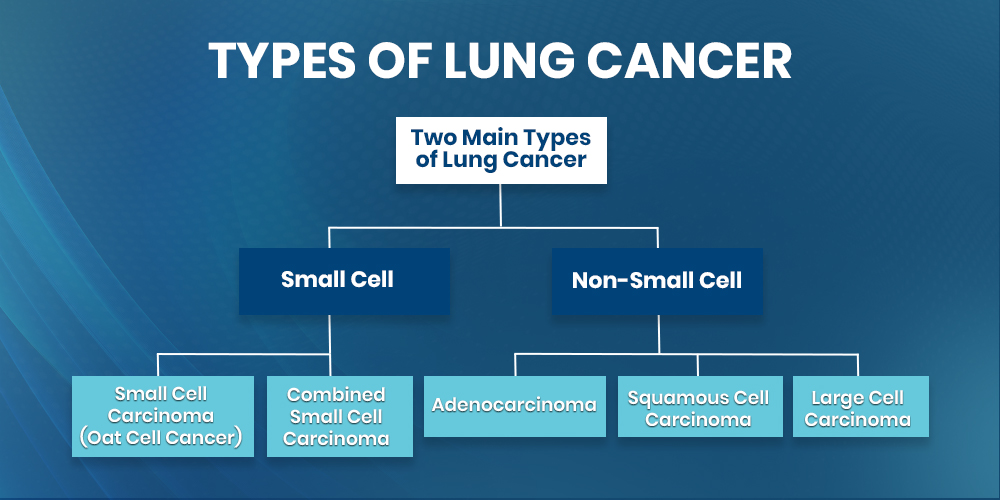
Doctors categorize lung cancer based on how the cancer cells look under a microscope. This classification determines the treatment plan. There are two primary types of lung cancer: non-small cell lung cancer and small cell lung cancer.
Small Cell Lung Cancer (SCLC)
Small cell lung cancer makes up about 15% of all lung cancer cases. Despite being less common, it is the more aggressive of the two main types. SCLC grows fast and spreads quickly. In most cases, it has already reached distant parts of the body by the time it is diagnosed.
SCLC is almost exclusively linked to cigarette smoking. It is rarely found in people who have never smoked. The cancer starts in the cells lining the bronchi, the large airways that lead into the lungs.
Subtypes of Small Cell Lung Cancer
SCLC has two recognized subtypes:
- Small Cell Carcinoma: This is by far the most common form of SCLC. The cells are small, oval-shaped, and divide rapidly. It spreads early and responds well to chemotherapy initially, though it often returns.
- Combined Small Cell Carcinoma: This rarer subtype contains a mix of small cell carcinoma and at least one other type of lung cancer cell. It behaves like standard SCLC but can be harder to treat due to its mixed nature.
Because SCLC spreads so quickly, surgery is rarely an option. Treatment most often involves chemotherapy combined with radiation. Immunotherapy is now also being studied in clinical settings.
Non-Small Cell Lung Cancer (NSCLC)
Non-small cell lung cancer is the most common form of lung cancer, accounting for about 85% of all cases. Compared to SCLC, it tends to grow more slowly. However, NSCLC still carries serious risks if not caught early.
NSCLC is an umbrella term that covers several distinct subtypes. Each subtype starts in a different kind of lung cell, behaves somewhat differently, and may respond to different treatments.
Subtypes of Non-Small Cell Lung Cancer
- Adenocarcinoma of the Lung: This is the most frequently diagnosed subtype overall. It develops mucus-producing cells in the outer areas of the lung. Adenocarcinoma is the subtype most often found in non-smokers, women, and younger patients. It is also the most likely NSCLC type to carry actionable gene mutations such as EGFR and ALK, which targeted therapies can address.
- Squamous Cell Carcinoma: This subtype forms in flat cells that line the inside of the airways. It is strongly associated with smoking and typically grows near the center of the lung. Squamous cell carcinoma tends to stay localized longer than adenocarcinoma before spreading.
- Large Cell Lung Carcinoma (LCLC): LCLC is a fast-growing subtype that can appear in any part of the lung. It does not have the defining features of the other subtypes under a microscope. Consequently, it is diagnosed by ruling out the others. It tends to spread more quickly and is harder to treat.
- Adenosquamous Carcinoma: This is a rarer mixed subtype that contains both adenocarcinoma and squamous cell carcinoma cells. It tends to be more aggressive than either type alone.
- Large Cell Neuroendocrine Carcinoma: This subtype is technically classified under NSCLC but behaves more like SCLC in its aggressiveness and fast growth rate. It is linked to neuroendocrine cancer cells that produce hormones.
- Pancoast Tumors: These are not a separate cell type but rather a location-specific category. Pancoast tumors develop at the very top of the lung and invade nearby structures. They can press on nerves, causing shoulder pain, arm weakness, and a group of symptoms called Horner’s syndrome.
SCLC vs. NSCLC: Key Differences
Understanding how these two types of compare help explain why treatment plans look so different from one patient to another.
| Feature | Small Cell Lung Cancer (SCLC) | Non-Small Cell Lung Cancer (NSCLC) |
|---|---|---|
| Share of cases | ~15% | ~85% |
| Growth speed | Very fast | Slower |
| Spread at diagnosis | Usually widespread | Often more localized |
| Smoking link | Very strong | Strong, but more varied |
| Surgery option | Rarely | Yes, in early stages |
| Response to chemo | High initially | Varies by subtype |
| Targeted therapy options | Limited | Many (EGFR, ALK, ROS1, etc.) |
| Typical prognosis | Poorer | Generally better |
The main takeaway is that SCLC spreads faster and has fewer treatment options than NSCLC. However, both types are serious. Early detection and accurate typing of the cancer are critical for any treatment plan.
Stages of Lung Cancer
Staging tells your doctor how far the cancer has grown or spread. It also guides the treatment approach. Lung cancer stages run from Stage I to Stage IV. Generally, a lower stage means cancer is more localized and easier to treat.
Both SCLC and NSCLC use staging, though SCLC is sometimes also described as “limited stage” or “extensive stage” in clinical practice.
Lung Cancer Stages: Summary Table
| Stage | Description | Spread | Typical Treatment |
|---|---|---|---|
| Stage I | Tumor is small and confined to the lung | No lymph node involvement | Surgery, sometimes radiation |
| Stage II | Tumor is larger or nearby lymph nodes are affected | Limited to the chest area | Surgery plus chemotherapy |
| Stage III | Cancer has spread to lymph nodes in the chest | May involve nearby structures or the other lung | Chemotherapy, radiation, sometimes surgery |
| Stage IV | Cancer has spread to distant organs | Brain, liver, bones, adrenal glands | Targeted therapy, immunotherapy, chemotherapy, palliative care |
Stage I Lung Cancer
Stage I is the earliest stage. The tumor is small and has not spread to the lymph nodes or any other organs. This stage is divided into Stage IA (tumor up to 3 cm) and Stage IB (tumor between 3 and 4 cm). Surgery to remove the tumor offers the best chance of a full recovery at this stage. Many patients with Stage I NSCLC are considered cured after successful surgery.
Stage II Lung Cancer
At Stage II, the cancer is either larger or has begun to affect nearby lymph nodes within the lung. It is still contained within the chest area. Stage IIA typically involves a slightly larger tumor without lymph node spread. Stage IIB may involve lymph nodes near the affected lung. Surgery combined with chemotherapy is the standard approach. Radiation may be added depending on the margins around the removed tumor.
Stage III Lung Cancer
Stage III is a more complex and varied stage. The tumor may have spread to lymph nodes in the center of the chest, called the mediastinum. Stage IIIA may still be operable in select patients. Stage IIIB and IIIC are generally not treated with surgery alone. A combination of chemotherapy and radiation is the most common approach. Immunotherapy is increasingly being added to this regimen. Furthermore, Stage III cases often require input from a multidisciplinary team of specialists.
Stage IV Lung Cancer
Stage IV lung cancer means the cancer has spread beyond the chest to other parts of the body. Common sites include the brain, bones, liver, and adrenal glands. This is the most advanced stage. Stage IVA involves spread to one distant site or the other lung. Stage IVB involves spread to multiple distant sites.
Treatment at Stage IV focuses on controlling the disease, relieving symptoms, and extending quality of life. Targeted therapies, immunotherapy, and chemotherapy are all used depending on the cancer’s genetic profile. Notably, some patients with specific gene mutations respond remarkably well to targeted drugs even at Stage IV.
Lung Cancer Survival Rate
Survival rates give a general picture of outcomes for people with lung cancer. They are based on large groups of patients and do not predict any individual outcomes. Your actual prognosis depends on your specific cancer type, stage, overall health, and chosen treatment.
The five-year survival rate measures the percentage of people still alive five years after diagnosis. For lung cancer, these numbers vary widely based on stage.
Lung Cancer Survival Rates by Stage
| Stage | NSCLC 5-Year Survival | SCLC 5-Year Survival |
|---|---|---|
| Stage I | 68–92% | 31% |
| Stage II | 53–60% | 19% |
| Stage III | 13–36% | 8% |
| Stage IV | 7–10% | 3% |
Data sourced from the American Cancer Society and the National Cancer Institute (NCI) SEER database.
Survival rates have improved over the past decade. Targeted therapies and immunotherapy have changed outcomes for many patients with advanced NSCLC. Research in clinical trials continues to push these numbers higher. Additionally, earlier screening programs are catching more cancers at lower stages, which improves overall survival statistics year over year.
Lung Cancer Treatment Options
Lung cancer treatment depends on the type, stage, genetic markers, and your overall health. Most treatment plans involve more than one approach. The goal is always to remove or destroy the cancer while protecting as much healthy tissue as possible.
The main treatment categories include surgery, radiation therapy, chemotherapy, targeted therapy, and immunotherapy. Additionally, palliative care plays an important role in managing symptoms and improving quality of life at every stage.
Surgery works best for early-stage NSCLC. Chemotherapy and radiation are used across most stages. Targeted therapy applies when specific gene mutations are present. Immunotherapy helps the immune system identify and attack cancer cells. Furthermore, newer combinations of these treatments are being tested in clinical trials every day.
How Is Lung Cancer Diagnosed?
Diagnosis begins with a review of your symptoms and medical history. Your doctor will ask about your smoking history, workplace exposures, and family history of cancer.
A chest X-ray is usually the first imaging test ordered. If something looks abnormal, a low-dose CT scan provides a more detailed picture of the lungs. A CT scan can detect tumors that are too small to appear on an X-ray.
If a suspicious area is found, a biopsy is needed to confirm cancer. During a biopsy, a small tissue sample is removed and examined under a microscope. This tells doctors the type of cancer cell and helps determine the best treatment. Molecular or genomic testing on the biopsy sample is now standard practice. It identifies specific mutations like EGFR, ALK, KRAS, and ROS1 that guide targeted therapy choices.
Additionally, a PET scan is often used to check whether the cancer has spread to lymph nodes or other organs. Brain MRI scans are ordered when there is concern about brain metastases, especially in SCLC. Together, these tests build a complete picture of the cancer before treatment begins.
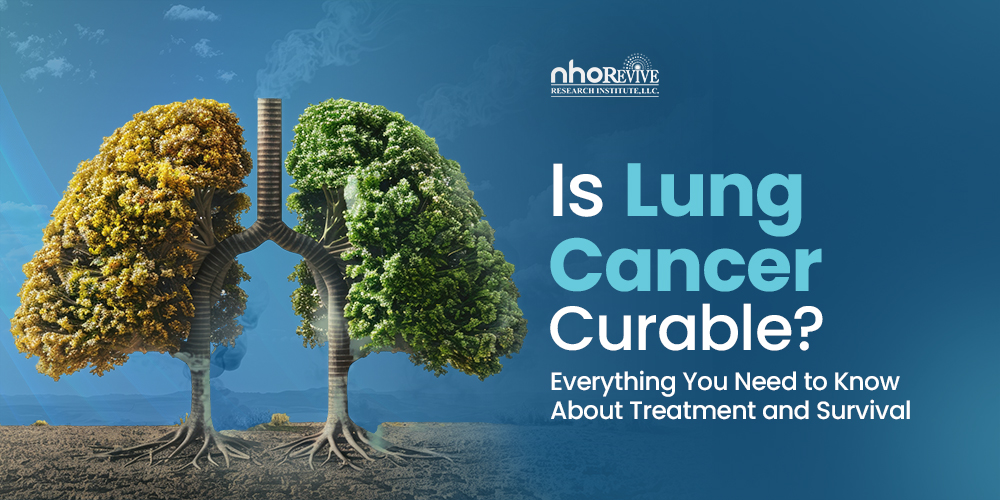
Is Lung Cancer Curable?
Yes, lung cancer can be cured, but the likelihood depends heavily on the stage at diagnosis. For Stage I NSCLC, surgery alone often results in a full cure. Many patients remain disease-free five or more years after surgery and are considered cured by clinical standards.
For Stage II and some Stage III cancers, combination treatment involving surgery, chemotherapy, and radiation can still lead to long-term remission. The term “cured” is used carefully in oncology, but lasting remission after five years is a meaningful and achievable goal for many patients.
Stage IV lung cancer is not generally considered curable. However, it is increasingly treatable. Some patients with targetable mutations respond to oral targeted therapies for years. Immunotherapy has produced durable responses in a subset of patients, with some remaining stable for three or more years. Research in oncology clinical research is pushing the definition of what is possible at every stage.
How to Prevent Lung Cancer?
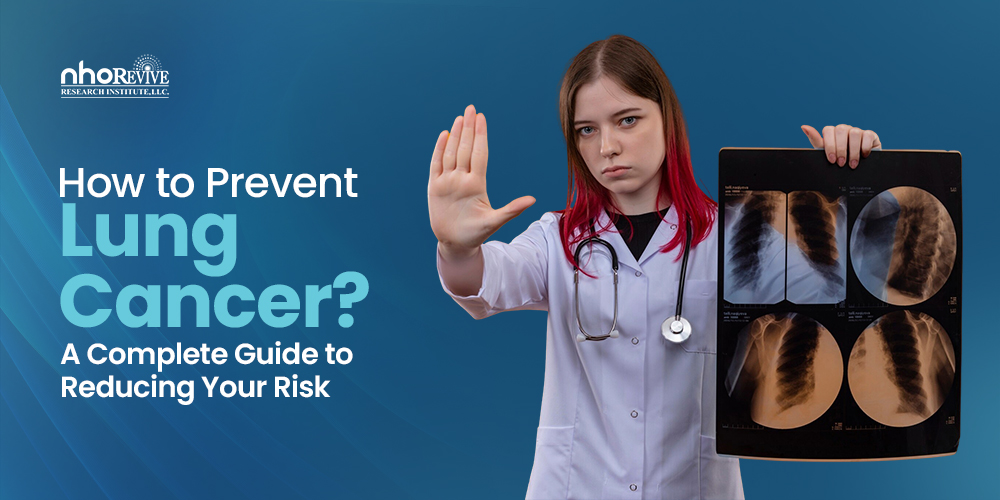
You cannot eliminate all risks of lung cancer, but you can take real steps to lower it significantly.
The single most important action is to stop smoking or never start. Cigarette smoking accounts for about 80 to 90% of all lung cancer deaths. If you smoke, quitting at any age reduces your risk. Your lung health begins to improve within weeks of stopping.
Radon is the second leading cause of lung cancer in the U.S. This colorless, odorless gas seeps into homes through the ground. Testing your home is easy and inexpensive. If levels are high, a certified contractor can reduce them.
Avoid secondhand smoke whenever possible. Long-term exposure to secondhand smoke raises lung cancer risk significantly. In workplaces with asbestos, diesel fumes, or chemical exposure, proper protective equipment is essential.
Additionally, annual low-dose CT screening is recommended for high-risk adults aged 50 to 80 with a significant smoking history. Screening does not prevent lung cancer, but it catches it earlier when treatment is most effective.
Is Lung Cancer Hereditary?
Lung cancer is not a purely hereditary disease, but family history does play a role. If a parent or sibling has had lung cancer, your risk is modestly higher than average. This increased risk likely reflects a combination of shared environmental exposures and inherited genetic traits.
Certain gene mutations associated with lung cancer, including changes in the EGFR, ALK, KRAS, and RET genes, can sometimes run in families. Genetic counseling and testing can identify whether you carry any of these mutations.
How I Knew I Had Lung Cancer
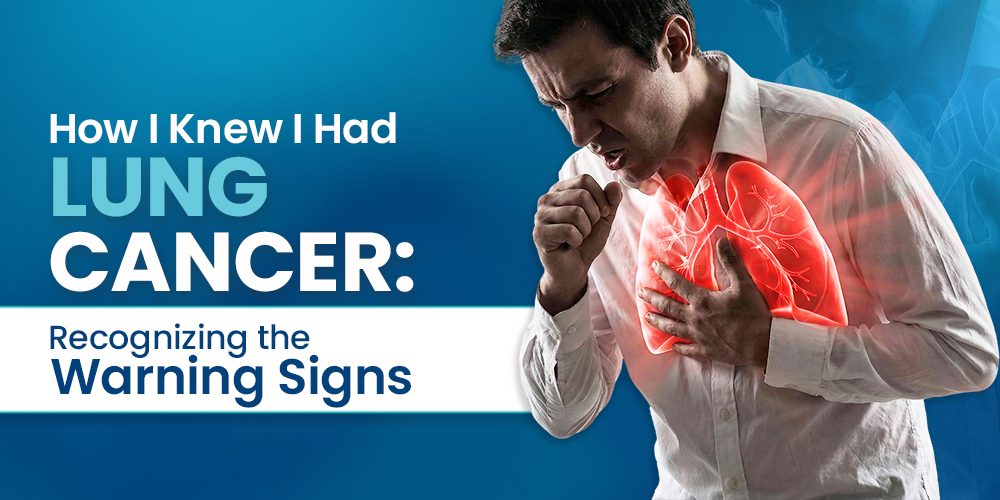
Many lung cancer patients describe the same experience: they dismissed their early symptoms for weeks or months before seeking care. A persistent cough that would not go away was the most common first sign. Others noticed they were becoming short of breath on walks they used to handle easily.
Some patients were diagnosed after routine imaging for an unrelated issue picked up a suspicious spot. Others went in after coughing up blood. A smaller number felt chest pain that they first attributed to muscle strain or acid reflux.
The honest truth is that there is no single way people first know. The symptoms are often vague and easy to rationalize. What changed outcomes for many patients was not ignoring symptoms that lingered, making an appointment, and asking their doctor to look into it further. If something feels off, trust that feeling and get it checked.
Does Smoking Weed Cause Lung Cancer?
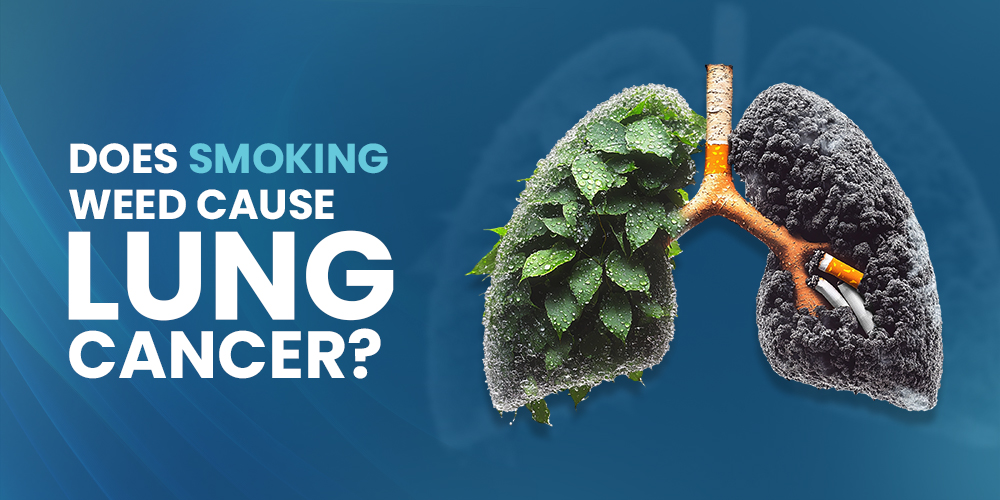
This is a question many people ask, and the answer is nuanced. Marijuana smoke does contain many of the same harmful chemicals and carcinogens found in tobacco smoke. Several studies have found that regular marijuana smokers show signs of airway irritation and inflammation similar to tobacco smokers.
However, the research on whether smoking marijuana directly causes lung cancer is not yet definitive. Studies are complicated by the fact that many marijuana smokers also use tobacco, making it hard to separate the effects.
Based on current evidence, regular inhalation of marijuana smoke carries real risks for lung health. If you are concerned about lung cancer risk, reducing or eliminating smoke inhalation of any kind is a reasonable and informed choice.
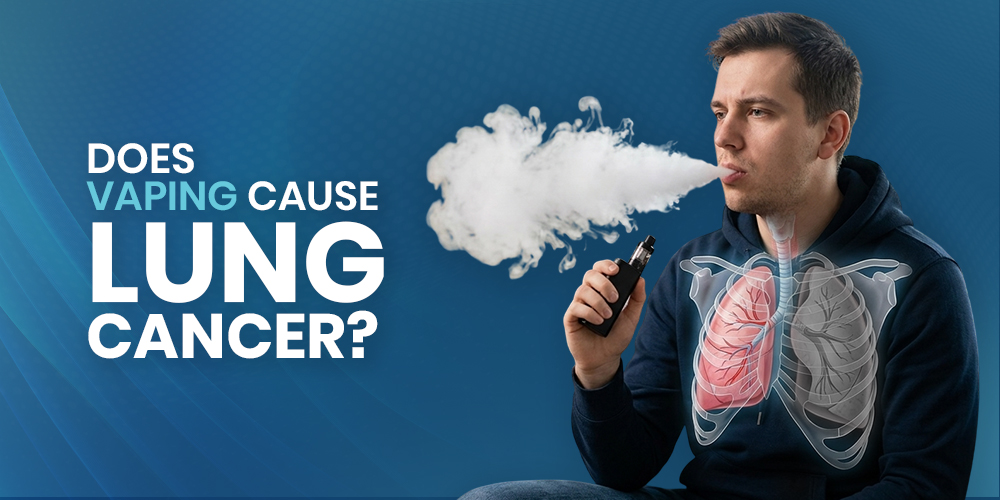
Does Vaping Cause Lung Cancer?
Vaping is often marketed as a safer alternative to smoking, but “safer” does not mean safe. The aerosol produced by e-cigarettes contains nicotine, heavy metals, ultrafine particles, and various volatile organic compounds. Many of these chemicals are known to damage lung tissue.
Research on vaping and lung cancer specifically is still in early stages. E-cigarettes have not been around long enough to produce the long-term data that exists for cigarettes. However, we do know that vaping causes significant lung inflammation. A serious lung injury condition called EVALI (e-cigarette or vaping product use-associated lung injury) has already hospitalized thousands of people.
Furthermore, most vaping products deliver nicotine, which is highly addictive and has been shown to promote tumor cell growth in lab studies. Until more long-term data is available, health experts advise treating vaping as a real lung cancer risk, particularly for young people who vape heavily and regularly.
Does Marijuana Cause Lung Cancer?
The direct link between marijuana use and lung cancer has not been conclusively proven in large-scale studies. This differs from cigarette smoking, where the evidence is overwhelming and well-established. However, the absence of definitive proof is not the same as proof of safety.
Marijuana smoke shares many harmful properties with tobacco smoke. It contains similar carcinogens and causes similar changes in airway cells when used regularly. Some smaller studies have found an elevated lung cancer risk in heavy, long-term marijuana smokers. Others have not found the same association.
What researchers do agree on is this: inhaling any combusted plant material puts the lungs at risk. The lungs are not designed for regular smoke exposure. If lung health is a priority for you, speaking with your doctor about safer methods of consumption or avoidance altogether is a practical step.
What Type of Cancer Causes Fluid in the Lungs?
Fluid around the lungs, known medically as pleural effusion, can have several causes. When it is caused by cancer, it is called malignant pleural effusion. This condition occurs when cancer cells invade the lining of the lung (the pleura) and cause fluid to accumulate.
Lung cancer is the most common cancer associated with malignant pleural effusion. Other cancers that frequently cause this condition include breast cancer, ovarian cancer, and lymphoma.
Malignant pleural effusion signals that cancer has spread to the pleura. This typically indicates advanced disease. Symptoms include shortness of breath, chest heaviness, and a persistent dry cough. Doctors can drain the fluid through a procedure called thoracentesis to provide relief. Additionally, a pleurodesis procedure can seal the pleural space to prevent fluid from returning. Treatment of the underlying cancer is the most effective way to manage malignant pleural effusion long-term.
Lung Cancer Clinical Trials at NHO Revive
Clinical trials are research studies that test new treatments before they become widely available. For lung cancer patients, clinical trials can provide access to therapies that may work better than current standard options.
At NHO Revive, our oncology clinical research team conducts trials for both NSCLC and SCLC. These studies test new drug combinations, immunotherapy agents, targeted therapies, and radiation approaches. Participation is voluntary and carefully overseen by medical professionals.
You do not need to have exhausted other treatments to consider a clinical trial. Some trials are designed for newly diagnosed patients. Others focus on patients whose cancer has progressed after initial treatment.
Clinical research studies in Nebraska through NHO Revive give patients in the region access to investigational treatments without traveling to major cancer centers. Our team walks you through what participation involves, what to expect, and what questions to ask.
Could a Clinical Trial Be Right for You?
For NSCLC Patients: If you have been diagnosed with non-small cell lung cancer and want to explore treatment options beyond standard care, NHO Revive may have an open study for you. Learn more about Non-Small Cell Lung Cancer Clinical Trials at our institute and speak with a member of our research team at no cost.
For SCLC Patients: Small cell lung cancer moves fast, but so does research. NHO Revive is actively enrolling patients in Small Cell Lung Cancer Clinical Trials that test new combinations of immunotherapy and chemotherapy. Contact us to find out whether you or a loved one may be eligible.
Conclusion: The Earlier You Act, the More Options You Have
Lung cancer is serious. But it is also one of the most actively researched cancers in medicine today. Treatment options have expanded significantly over the past decade. Survival rates are improving. And new therapies are reaching patients faster than ever through clinical research.
If you have a persistent cough, shortness of breath, or any other symptom that concerns you, do not wait. Talk to your doctor and ask about screening if you have risk factors. The earlier lung cancer is found, the more that can be done.
At NHO Revive, our clinical team is here to support patients and families through every step. From diagnosis to active treatment to clinical trial participation, we are committed to offering the most current options available. Reach out to us today to learn more about open studies and how our research team can support your care.
Frequently Asked Questions About Lung Cancer
What are the first common signs of lung cancer?
The earliest signs are often easy to miss. A cough that does not clear up after two to three weeks is the most reported first sign. You may also notice chest discomfort, a change in your voice, or unusual shortness of breath. Some people cough up small amounts of blood or mucus with a reddish color. Because these symptoms overlap with common illnesses, many people delay seeing a doctor. If any of these signs last more than two to three weeks, get evaluated promptly.
What is the life expectancy of someone with lung cancer?
Life expectancy varies widely based on the stage, type, and treatment response. At Stage I, the five-year survival rate for NSCLC exceeds 80%. At Stage IV, it drops to around 7 to 10%. However, survival statistics are based on past data and do not account for newer treatments like immunotherapy and targeted therapy. Many patients today are living longer than these older statistics suggest. Your oncologist can give you a more personalized assessment based on your specific case.
What is Stage 4 lung cancer?
Stage 4 is the most advanced stage of lung cancer. At this point, the cancer has spread from the lungs to distant organs such as the brain, liver, bones, or adrenal glands. Stage 4 is divided into Stage IVA, where cancer has spread to one distant site, and Stage IVB, where multiple distant sites are involved. Treatment focuses on controlling the disease, managing symptoms, and maintaining quality of life. With targeted therapies and immunotherapy, some Stage 4 patients achieve meaningful long-term disease control.
Is lung cancer terminal?
Not always. Early-stage lung cancer is often curable. Even in more advanced stages, lung cancer is increasingly manageable rather than immediately terminal. Some patients with advanced NSCLC who respond to targeted therapy or immunotherapy live for several years with good quality of life. The answer truly depends on the type, stage, genetic profile, and individual response to treatment. An honest conversation with your oncologist will give you the clearest picture of your specific situation.