Quick Answer
Yes, lung cancer can be curable, especially when it is diagnosed early and treated before it spreads.
The chances of a cure depend on the type and stage of lung cancer, as well as how well it responds to treatment. Even when a cure isn’t possible, modern therapies can often control the disease, extend survival, and improve quality of life.
Key Takeaways
- Lung cancer can be curable when it is found and treated early.
- The stage and type of lung cancer are the biggest factors that determine the chances of a cure.
- Even if a cure isn’t possible, modern treatments can help people live longer and improve their quality of life.
- Targeted therapy and immunotherapy have greatly improved outcomes for many patients.
- Early screening with low-dose CT scans can detect lung cancer before symptoms appear.
- Clinical trials are helping develop better treatments and bringing new hope to patients.
Receiving a lung cancer diagnosis can raise many questions, but one of the most common is, “Is lung cancer curable?” The answer is not the same for everyone. It depends on the stage of the disease, the type of lung cancer, and the treatments available.
Fortunately, advances in early detection, targeted therapy, immunotherapy, and precision medicine have significantly improved outcomes.
In this blog, you’ll learn what determines whether lung cancer can be cured and how modern treatments are giving patients more hope than ever before.
What Is Lung Cancer?
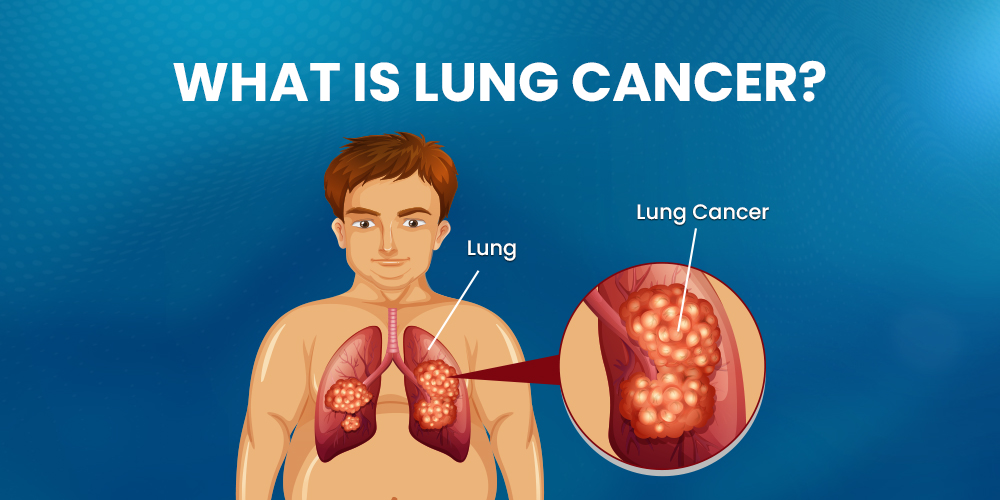
Lung cancer develops when abnormal cells in the lungs begin growing uncontrollably. Instead of dying naturally, these cells continue multiplying and may form tumors. Over time, cancer can invade nearby tissues or spread to distant organs through the bloodstream or lymphatic system.
Worldwide, lung cancer remains one of the most commonly diagnosed cancers and the leading cause of cancer-related deaths. Despite this, survival rates have steadily improved because of advances in screening, earlier diagnosis, and more effective treatments.
Smoking remains the leading risk factor. However, many people who develop lung cancer have never smoked. Other risk factors include:
- Exposure to second-hand smoke
- Radon gas
- Air pollution
- Asbestos and workplace chemicals
- Family history of lung cancer
- Previous radiation therapy to the chest
Understanding these risks encourages earlier screening for people at high risk, which can greatly improve treatment outcomes.
Is Lung Cancer Curable?
Yes, lung cancer can be curable, but not in every case. The likelihood of a cure depends on several factors, including the stage at diagnosis, the type of lung cancer, its genetic characteristics, and how well it responds to treatment.
For people diagnosed with early-stage lung cancer, treatment can often remove or destroy all cancer cells, allowing many patients to remain cancer-free for years. In these cases, doctors may consider the cancer cured after a prolonged period with no evidence of disease.
However, if lung cancer has spread beyond the lungs, a complete cure becomes less likely. Even so, advances in targeted therapy, immunotherapy, precision medicine, and other treatments now allow many patients to control the disease, live longer, and maintain a good quality of life.
What Determines Whether Lung Cancer Can Be Cured?
Several factors influence the likelihood of a cure, including the stage of the cancer, its type, genetic mutations, and the patient’s overall health.
1. Stage at Diagnosis
The stage of lung cancer has the greatest impact on treatment outcomes.
- Stage 1-2: The cancer is confined to the lung or nearby lymph nodes. Many patients can be cured with surgery and additional treatment when needed.
- Stage 3: The cancer has spread locally but may still be treated with a combination of surgery, chemotherapy, radiation, and immunotherapy.
- Stage 4: The cancer has spread to distant organs. Although it is rarely curable, modern therapies can often control the disease and improve quality of life.
2. Type of Lung Cancer
The type of lung cancer also plays an important role in determining treatment options and the likelihood of a cure.
- Non-Small Cell Lung Cancer (NSCLC): The most common type, accounting for 80% to 85% of cases. It includes adenocarcinoma of the lung, squamous cell carcinoma, and large cell lung carcinoma (LCLC). When diagnosed early, many NSCLCs can be successfully treated with surgery and other therapies.
- Small Cell Lung Cancer (SCLC): A faster-growing cancer that is usually treated with chemotherapy, radiation therapy, and immunotherapy because it is often diagnosed after it has spread.
- Lung Carcinoid Tumors: A rare form of neuroendocrine cancer that typically grows slowly and can often be cured with surgery when detected early.
Pancoast tumors are not a separate type of lung cancer. Instead, they are tumors that develop at the top of the lung, most commonly a type of NSCLC, and are treated according to their stage and location.
3. Genetic Mutations
Molecular testing can identify mutations such as EGFR, ALK, ROS1, KRAS, BRAF, MET, and RET, allowing doctors to use targeted therapies that can improve outcomes for eligible patients.
Read more: Is Lung Cancer Hereditary? Understanding the Role of Genetics in Lung Cancer
4. Overall Health
Good overall health and lung function can increase treatment options and improve recovery, making successful treatment more likely.
Does Lung Cancer Survival Mean a Cure?
People often confuse survival with a cure, but they are not the same.
A survival rate shows how many people are alive a certain number of years after diagnosis. It does not mean the cancer is gone. A cure means there is no evidence of active cancer after treatment, and the risk of recurrence becomes very low over time.
Fortunately, lung cancer outcomes have improved due to earlier screening, molecular testing, targeted therapies, immunotherapy, and better treatment approaches. Today, many people, especially those diagnosed at an early stage, have a much more hopeful outlook.
Why Early Detection Matters
Early-stage lung cancer often causes no symptoms. However, low-dose CT screening can detect a lung tumor before it spreads, giving patients a much better chance of successful treatment and long-term survival. Therefore, early diagnosis remains one of the most important factors in improving outcomes.
Lung Cancer Treatment Options
Depending on your diagnosis, treatment may involve one or a combination of the following:
Surgery
Surgery remains the most effective treatment for many people with early-stage non-small cell lung cancer (NSCLC). If the tumor is confined to the lung and has not spread extensively, surgeons may remove:
- A small portion of the lung (wedge resection or segmentectomy)
- One lobe of the lung (lobectomy)
- An entire lung (pneumonectomy) in select cases
Radiation Therapy
Radiation therapy uses high-energy beams to destroy cancer cells. It may be used instead of surgery, alongside chemotherapy, or before or after surgery. Advanced techniques such as SBRT can precisely target small tumors while protecting healthy tissue.
Chemotherapy
Chemotherapy destroys rapidly dividing cancer cells and remains an important treatment for lung cancer. It may be given before surgery, after surgery, with radiation, or to help control advanced disease.
Targeted Therapy
Targeted therapy blocks specific genetic mutations that drive cancer growth. Patients with mutations such as EGFR, ALK, ROS1, RET, MET, or BRAF often benefit from these precision medicines, making molecular testing an essential part of treatment planning.
Immunotherapy
Immunotherapy helps the immune system recognize and attack cancer cells. It has improved survival for many people with advanced lung cancer and, in some cases, helps lower the risk of the cancer returning after initial treatment.
Can Stage 4 Lung Cancer Be Cured?
If lung cancer has spread beyond the lungs, it is classified as stage 4 or metastatic lung cancer. At this stage, the disease is not usually considered curable. Some patients may also develop complications such as malignant pleural effusion, a buildup of cancer-related fluid around the lungs that can cause breathing difficulties. However, advances in treatment allow many people to live longer and maintain a better quality of life.
Instead of aiming for a cure, treatment focuses on:
- Slowing or controlling cancer growth
- Shrinking tumors
- Relieving symptoms
- Extending survival
- Preserving quality of life
Moreover, advances in targeted therapy, immunotherapy, and ongoing clinical trials continue to improve outcomes, with some patients living for years with well-controlled disease.
Can Lung Cancer Come Back After Treatment?
Yes. Lung cancer can return even after successful treatment, either in the lungs, nearby lymph nodes, or other parts of the body.
The risk of recurrence depends on factors such as the cancer’s stage, type, treatment response, and whether all cancer cells were removed. Regular follow-up visits, including imaging scans and other tests, are essential for detecting recurrence early, when additional treatment may be most effective.
How Clinical Trials Are Advancing Lung Cancer Treatment
Many of today’s most effective lung cancer treatments, including targeted therapies and immunotherapy, were first developed through clinical research. Ongoing non-small cell lung cancer clinical trials and small cell lung cancer clinical trials continue to evaluate innovative treatments that aim to improve survival, reduce side effects, and deliver more personalized care.
For eligible patients, participating in oncology clinical research may offer access to promising investigational therapies while contributing to future advances in lung cancer treatment.
How To Prevent Lung Cancer?
Although not all cases of lung cancer can be prevented, you can lower your risk by:
- Avoiding or quitting smoking
- Limiting exposure to secondhand smoke
- Testing your home for radon
- Using protective equipment around workplace hazards
- Maintaining a healthy lifestyle
- Following recommended lung cancer screening guidelines if you are at high risk
For people with a long history of smoking, annual low-dose CT screening can detect lung cancer early, when treatment is most effective.
Final Thoughts
So, is lung cancer curable? The answer depends on the type of lung cancer, its stage, and how early it is diagnosed. While early-stage disease offers the best chance for a cure, ongoing advances in treatment continue to improve outcomes for patients at every stage.
At NHO Revive, we are advancing the future of cancer care by conducting clinical research studies in Nebraska. Through innovative research, we help evaluate promising new therapies that may expand treatment options and improve the lives of people affected by lung cancer.
FAQs
Is lung cancer curable?
Yes, some early-stage lung cancers can be cured, especially when treated before they spread. Advanced lung cancer is usually not curable but can often be managed with modern therapies.
Can you live a long life after lung cancer?
Yes. Many people live for years after treatment, particularly with early diagnosis or effective targeted therapy and immunotherapy.
Which type of lung cancer has the best prognosis?
Early-stage non-small cell lung cancer (NSCLC) generally has the best outlook because it is often eligible for curative treatment.
Can immunotherapy cure lung cancer?
Immunotherapy can lead to long-term remission in some patients, but it is not considered a cure for most people.
Does smoking weed cause lung cancer?
The evidence is still inconclusive. While marijuana smoke contains harmful chemicals, researchers have not confirmed a direct link between marijuana use alone and lung cancer.
Disclaimer: This blog is intended for educational and informational purposes only and should not be considered medical advice. Always consult a qualified healthcare professional for diagnosis, treatment, or personalized medical guidance.