Key Takeaways
- Quitting smoking remains the single most effective way to lower lung cancer risk.
- Maintaining a healthy diet, exercising regularly, and attending routine health checkups support long-term lung health.
- Different forms of lung cancer include Adenocarcinoma of Lung, Large Cell Lung Carcinoma (LCLC), Neuroendocrine Cancer, and Pancoast Tumors.
- Conditions like Malignant Pleural Effusion and Metastatic Lung Cancer represent advanced stages or complications requiring specialized care.
- Not every Lung Tumor is cancerous, making proper diagnosis essential.
Introduction
Lung cancer remains one of the most common and serious cancers worldwide. While not every case can be prevented, many risk factors are within your control. Understanding how to prevent lung cancer starts with recognizing the causes, reducing exposure to harmful substances, adopting healthier habits, and staying informed about screening options.
Whether you’re a smoker, former smoker, or someone who has never smoked, learning how to prevent lung cancer can help lower your risk and encourage early detection when it matters most.
In this blog, we’ll explore prevention strategies, common risk factors, different types of lung cancer, and how oncology clinical research continues to improve prevention, diagnosis, and treatment.
What Is Lung Cancer?
Lung Cancer develops when abnormal cells in the lungs grow uncontrollably and form tumors. These cancerous cells can interfere with normal lung function and may spread to other parts of the body if left untreated.
There are two main categories of lung cancer:
- Non-Small Cell Lung Cancer (NSCLC)
- Small Cell Lung Cancer (SCLC)
Since lung cancer often develops without noticeable symptoms in its early stages, prevention and regular screening are critical for people at higher risk.
Also Read: Small Cell vs Non-Small Cell Lung Cancer: Key Differences, Symptoms, Stages, and Treatment
How to Prevent Lung Cancer?
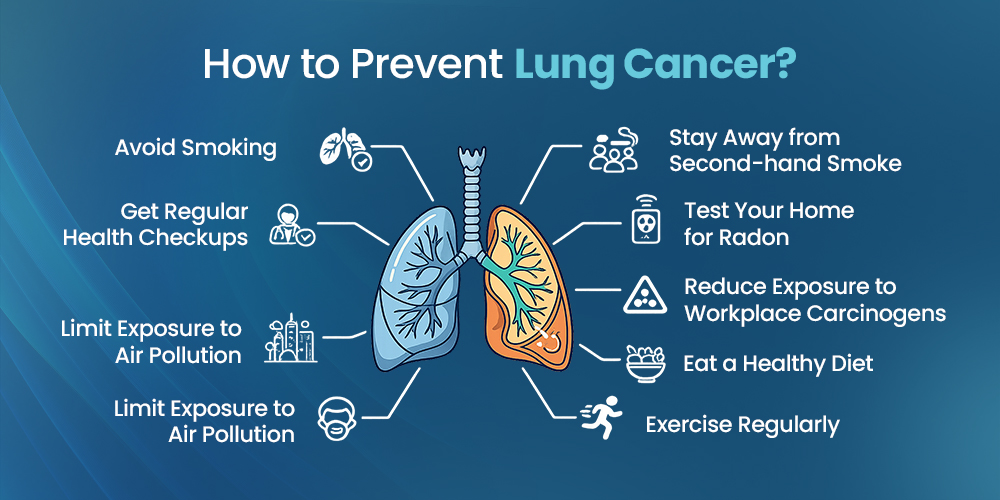
If you’ve ever wondered how to prevent lung cancer, the answer involves reducing exposure to known risk factors and making long-term lifestyle changes. Although prevention cannot guarantee that lung cancer will never occur, it can significantly lower your chances.
Here are the most effective ways to reduce your risk.
1. Avoid Smoking
Smoking is the leading cause of lung cancer and accounts for most cases. If you smoke:
- Quit as soon as possible.
- Seek professional smoking cessation support.
- Consider nicotine replacement therapy if recommended by your healthcare provider.
Even after years of smoking, quitting lowers your risk over time. If you don’t smoke, avoid starting.
2. Stay Away from Second-hand Smoke
Breathing in smoke from other people’s cigarettes also increases lung cancer risk. Protect yourself by:
- Choosing smoke-free environments
- Asking family members not to smoke indoors
- Supporting smoke-free workplace policies
3. Test Your Home for Radon
Radon is a naturally occurring radioactive gas that can accumulate inside homes without any visible signs. Long-term exposure is the second leading cause of lung cancer among non-smokers. Testing your home is simple and can identify dangerous radon levels before they become a health concern.
4. Reduce Exposure to Workplace Carcinogens
Certain occupations expose workers to substances that increase lung cancer risk. Examples include:
- Asbestos
- Diesel exhaust
- Silica dust
- Arsenic
- Chromium
- Nickel compounds
Always wear recommended protective equipment and follow workplace safety regulations.
5. Eat a Healthy Diet
A balanced diet rich in nutrients supports overall lung health. Focus on:
- Fresh fruits
- Vegetables
- Whole grains
- Lean proteins
- Healthy fats
Although no food can completely prevent cancer, maintaining a nutritious diet contributes to better overall health.
6. Exercise Regularly
Regular physical activity supports immune function and reduces inflammation throughout the body. Aim for at least:
- 150 minutes of moderate exercise each week
- Strength training twice weekly
Exercise also helps maintain a healthy weight; another factor associated with lower cancer risk.
7. Limit Exposure to Air Pollution
Air pollution has been linked to an increased risk of lung cancer. Reduce exposure by:
- Checking daily air quality reports
- Limiting outdoor activity on high-pollution days
- Using air purifiers indoors when needed
8. Get Regular Health Checkups
Routine healthcare visits can help identify risk factors before they become more serious. Individuals at high risk may qualify for annual low-dose CT screening, which can detect lung cancer earlier than standard chest X-rays.
Learning how to prevent lung cancer also means understanding when screening is appropriate.
Who Is at Higher Risk?
Certain factors increase the likelihood of developing lung cancer. These include:
- Current or former smoking
- Family history of lung cancer
- Long-term radon exposure
- Occupational chemical exposure
- Previous radiation therapy to the chest
- Chronic lung disease
- Increasing age
Knowing your personal risk helps guide prevention and screening decisions.
Early Symptoms You Should Never Ignore
While prevention is essential, recognizing symptoms early can improve outcomes. Common symptoms include:
- Persistent cough
- Coughing up blood
- Chest pain
- Shortness of breath
- Wheezing
- Hoarseness
- Frequent lung infections
- Unexplained weight loss
- Fatigue
If these symptoms persist for several weeks, consult a healthcare provider promptly.
Type of Lung Cancer
Lung cancer is not a single disease, it includes several types that differ in where they develop, how quickly they grow, and the treatments they may require. Understanding these different forms can help patients and caregivers make informed decisions about diagnosis and care. Below are some of the most common types and related lung cancer conditions.
Adenocarcinoma of Lung
Adenocarcinoma of Lung is the most common type of non-small cell lung cancer.
It often develops in the outer areas of the lungs and is frequently diagnosed in:
- Non-smokers
- Former smokers
- Women
- Younger adults compared with other lung cancer types
Because it may grow slowly, early screening can sometimes detect it before symptoms appear. Understanding how to prevent lung cancer includes minimizing risk factors associated with adenocarcinoma while staying informed about routine screening if you’re considered high risk.
Large Cell Lung Carcinoma (LCLC)
Large Cell Lung Carcinoma (LCLC) is another form of non-small cell lung cancer.
Characteristics include:
- Rapid growth
- Ability to occur in different parts of the lung
- Higher chance of spreading quickly
Although less common than adenocarcinoma, LCLC requires timely diagnosis and treatment.
Neuroendocrine Cancer
Some lung cancers originate from neuroendocrine cells. Neuroendocrine Cancer of the lung includes several subtypes ranging from slow-growing carcinoid tumors to aggressive small cell lung cancer.
Symptoms vary depending on the tumor type and stage. Advances in targeted therapies and clinical research continue improving treatment options.
Pancoast Tumors
Pancoast Tumors develop at the top portion of the lung rather than deep within lung tissue. Instead of causing coughing initially, they often produce:
- Shoulder pain
- Arm weakness
- Hand numbness
- Neck discomfort
Because these symptoms resemble orthopedic problems, diagnosis may sometimes be delayed.
Malignant Pleural Effusion
Malignant Pleural Effusion occurs when cancer causes fluid to build up around the lungs. Symptoms include:
- Difficulty breathing
- Chest discomfort
- Persistent cough
- Reduced exercise tolerance
Managing pleural effusion helps improve breathing and quality of life during lung cancer treatment.
Metastatic Lung Cancer
Metastatic Lung Cancer refers to lung cancer that has spread beyond the lungs to other organs, such as:
- Brain
- Bones
- Liver
- Adrenal glands
Treatment usually focuses on controlling disease progression while improving survival and maintaining quality of life through personalized care plans.
Lung Tumor
A Lung Tumor simply refers to an abnormal growth in the lung. Not every lung tumor is cancerous. Lung tumors may be:
- Benign (non-cancerous)
- Malignant (cancerous)
Imaging tests, biopsies, and pathology help determine the exact diagnosis. Early evaluation of any suspicious lung tumor is essential.
Is Lung Cancer Curable?
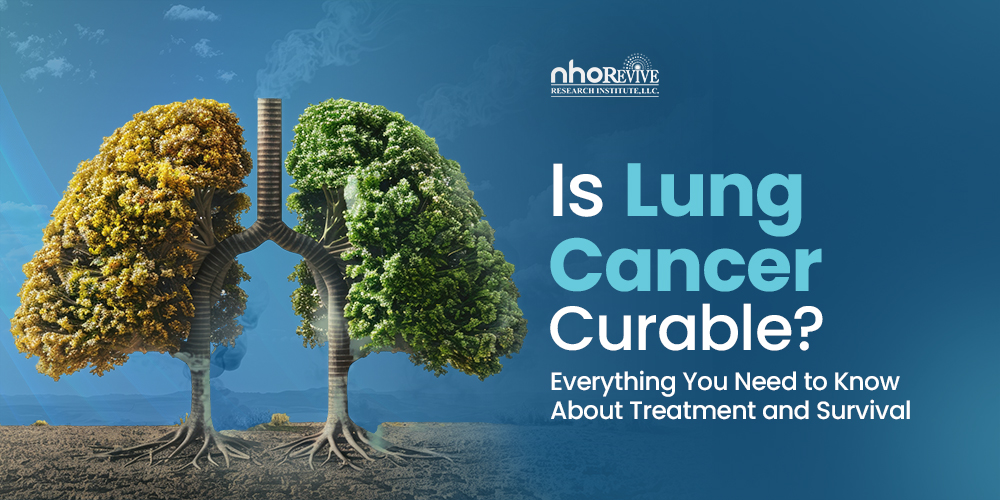
Is Lung Cancer Curable? The answer depends on several factors:
- Type of lung cancer
- Stage at diagnosis
- Overall health
- Response to treatment
Early-stage lung cancer detected before it spreads has a much higher chance of successful treatment through surgery, radiation therapy, targeted therapy, immunotherapy, or a combination of approaches. Even for advanced cases, newer treatments continue to improve survival and quality of life.
This is another reason why understanding how to prevent lung cancer and participating in recommended screening programs is so important.
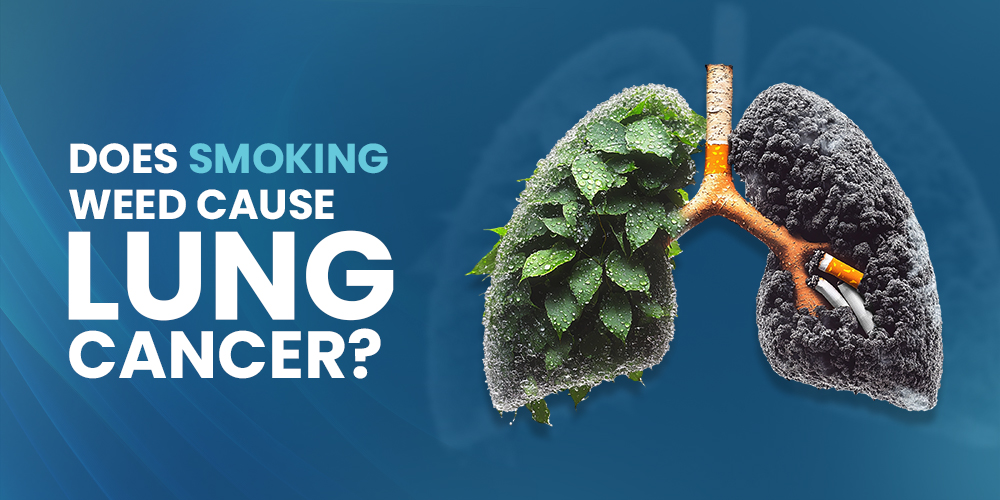
Does Smoking Weed Cause Lung Cancer?
Current research has not established the same strong connection between marijuana smoking and lung cancer as exists with cigarette smoking. However, marijuana smoke contains many of the same harmful chemicals and irritants found in tobacco smoke.
Smoking any substance can damage lung tissue, irritate the airways, and contribute to chronic respiratory problems. More long-term research is needed to fully understand the relationship.
Avoiding inhaled smoke whenever possible remains one of the best strategies for protecting lung health.
The Role of Screening in Prevention
While screening doesn’t prevent cancer from developing, it greatly increases the likelihood of finding cancer at an earlier, more treatable stage.
Individuals who may benefit from annual low-dose CT screening include:
- Adults with a significant smoking history
- Current smokers
- Former smokers who quit within the past several years
Talk with your healthcare provider to determine whether screening is appropriate for you. Learning how to prevent lung cancer also means knowing when early detection can save lives.
How Oncology Clinical Research Is Improving Lung Cancer Prevention
Modern oncology clinical research is helping scientists better understand:
- Genetic risk factors
- Early detection methods
- New imaging technologies
- Blood-based cancer screening
- Personalized prevention strategies
- Targeted therapies
- Immunotherapy
Clinical research plays an essential role in advancing lung cancer care and improving outcomes for future patients.
Small Cell Lung Cancer Clinical Trials
Although small cell lung cancer tends to grow rapidly, ongoing Small Cell Lung Cancer Clinical Trials are evaluating innovative treatments, including:
- Immunotherapy combinations
- Precision medicine approaches
- Novel targeted therapies
- New chemotherapy combinations
These studies aim to improve survival while reducing treatment-related side effects.
Non-Small Cell Lung Cancer Clinical Trials
Because non-small cell lung cancer accounts for most lung cancer diagnoses, Non-Small Cell Lung Cancer Clinical Trials continue exploring:
- Targeted therapies for specific genetic mutations
- Personalized treatment plans
- Combination immunotherapy
- Earlier intervention strategies
- Biomarker-guided treatment selection
Participation in clinical trials may provide eligible patients access to promising new therapies before they become widely available.
Clinical Research Studies in Nebraska
Residents interested in advancing lung cancer research may consider participating in clinical research studies in Nebraska. These studies help researchers evaluate new screening tools, prevention strategies, and treatment options while contributing to future medical advances.
Participation is voluntary, and eligibility varies depending on the study’s goals, medical history, and cancer type. Speaking with a healthcare provider or local research center can help determine whether a clinical study may be appropriate.
Final Thoughts
Understanding how to prevent lung cancer starts with reducing exposure to known risk factors, such as smoking, second-hand smoke, and radon, while maintaining a healthy lifestyle and following recommended screening guidelines.
Although not all cases are preventable, early detection and advances in oncology clinical research continue to improve outcomes. If you’re interested in contributing to future treatments, ask your healthcare provider whether clinical research studies in Nebraska, including Small Cell Lung Cancer Clinical Trials or Non-Small Cell Lung Cancer Clinical Trials, may be right for you.
FAQs
How to prevent lung cancer?
The best ways to prevent lung cancer include avoiding tobacco, staying away from second-hand smoke, testing your home for radon, limiting exposure to harmful workplace chemicals, maintaining a healthy lifestyle, and getting screened if you’re at high risk.
Can non-smokers get lung cancer?
While smoking is the leading risk factor, non-smokers can develop lung cancer due to radon exposure, air pollution, second-hand smoke, genetic factors, or occupational hazards.
Is lung cancer preventable?
Not all cases are preventable, but many can be avoided by reducing exposure to known risk factors and following healthy lifestyle habits.
What is the biggest risk factor for lung cancer?
Cigarette smoking is the biggest risk factor and is responsible for most lung cancer cases. The longer and more heavily a person smokes, the greater the risk.
Who should get screened for lung cancer?
People with a significant smoking history or those at high risk may benefit from annual low-dose CT scans. Talk to your healthcare provider to determine if screening is right for you.
Does quitting smoking reduce the risk of lung cancer?
Quitting smoking lowers your risk over time, regardless of how long you’ve smoked. The sooner you quit, the greater the health benefits.