

Key Takeaways
- Prostate cancer is one of the most common cancers in men, affecting about 1 in 8 over a lifetime.
- Common prostate cancer symptoms include urinary changes, pelvic discomfort, and, in later stages, bone pain.
- Prostate cancer stages range from localized (stage 1) to metastatic (stage 4), each with distinct treatment paths.
- Age, family history, and race all shape your risk, especially for Black men.
- Treatment options include active surveillance, surgery, radiation, and hormone therapy.
- The prostate cancer survival rate is nearly 100% when caught early, though outcomes vary by stage and individual health.
Quick Answer:
Prostate cancer develops when cells in the prostate gland grow abnormally. Early stages often cause no symptoms, which is why screening matters so much. When signs do appear, they usually involve urinary changes, such as frequent urination or a weak stream. Doctors diagnose it through PSA blood tests, physical exams, and biopsies. Treatment options range from active surveillance for slow-growing cases to surgery, radiation, and hormone therapy for more advanced disease. When caught early, the survival rate is excellent, often above 99 percent.
Introduction
Prostate cancer affects millions of men worldwide, yet many still feel unsure about what it actually means for their health. Consequently, understanding the basics can ease fear and support better decisions.
This guide covers prostate cancer symptoms, causes, stages, and treatment choices in plain language. Whether you are newly diagnosed or supporting a loved one, this article offers a clear, factual starting point.
What Is Prostate Cancer?
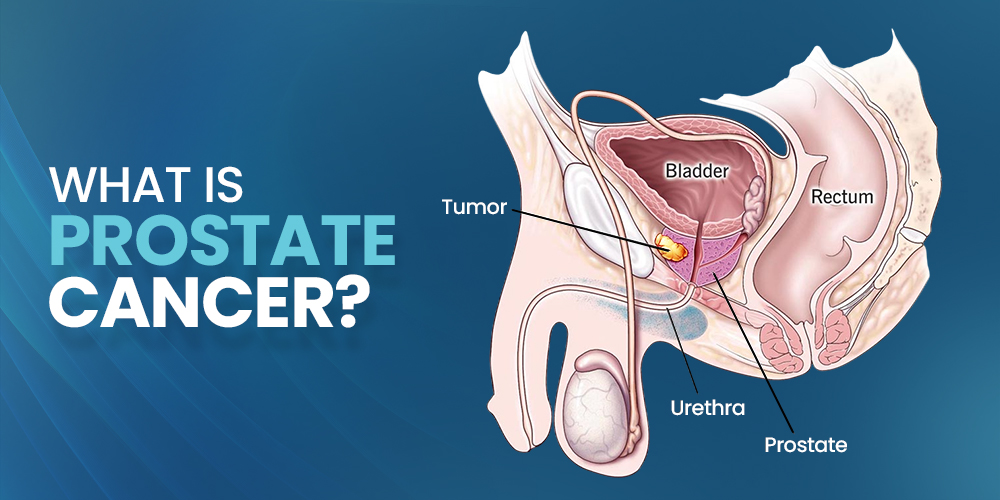
Prostate cancer develops when cells in the prostate gland grow in an uncontrolled way. The prostate is a small gland found only in men, roughly the size of a walnut. Normally, it produces fluid that helps carry sperm. However, when its cells mutate, they can form a prostate tumor. Most prostate tumors grow slowly, though some types spread faster and need urgent care. Therefore, early evaluation matters even when symptoms seem mild or absent.
Where the Prostate Sits and Why It Matters
The prostate sits just below the bladder and surrounds part of the urethra. Because of this position, prostate changes often affect urination first. Consequently, many prostate cancer symptoms involve the urinary system rather than pain alone. This close anatomy also explains why doctors examine this area during routine checkups. Understanding this location helps you recognize why certain tests, like a digital rectal exam, are used.
What Are the Signs and Symptoms of Prostate Cancer?
Early Warning Signs
In its earliest stages, prostate cancer often causes no noticeable symptoms at all. However, as the tumor grows, some men begin to notice changes. These signs of prostate cancer can be subtle and easy to dismiss. Still, paying attention to them early can lead to faster diagnosis and simpler treatment. Regular screening remains important even when you feel completely healthy.
Common early signs of prostate cancer include:
- Frequent urination, especially at night
- Weak or interrupted urine flow
- Difficulty starting or stopping urination
- Blood in urine or semen
- Discomfort while sitting, caused by an enlarged prostate
Symptoms in Advanced Disease
As prostate cancer advances, symptoms tend to become more noticeable and specific. Bone pain, particularly in the hips, back, or ribs, can signal that cancer has spread. Additionally, unexplained weight loss and fatigue often appear in later stages. Swelling in the legs may occur if lymph nodes are affected. Furthermore, some men experience erectile dysfunction as the disease progresses. If you notice these changes, prompt medical evaluation is strongly recommended.
What Causes Prostate Cancer?
Age, Family History, and Genetics
Age remains the single strongest risk factor for prostate cancer. Most diagnoses occur in men over fifty, with risk rising steadily each decade. Furthermore, family history plays a notable role in overall risk. Men with a father or brother diagnosed with prostate cancer face roughly double the risk. Certain inherited gene changes, including BRCA1 and BRCA2 mutations, also raise susceptibility. Therefore, sharing your family health history with your doctor is genuinely useful.
Is Prostate Cancer Hereditary?
Genetics do play a role, though most cases are not directly inherited. About 1 in 10 prostate cancers are linked to an inherited gene change. Men carrying BRCA1 or BRCA2 mutations face higher risk and often develop more aggressive disease. Additionally, Lynch syndrome and HOXB13 mutations have been tied to increased susceptibility. If several close relatives have been diagnosed, genetic counselling may be worth considering. Consequently, doctors often recommend earlier screening for men with strong family histories.
Lifestyle and Other Risk Factors
Beyond genetics, several lifestyle and environmental factors contribute to what causes prostate cancer. Diets high in processed meat and low in vegetables may increase risk slightly. Obesity has also been linked to more aggressive disease at diagnosis. Additionally, race plays a role, as Black men face higher incidence and mortality rates. Smoking and lack of physical activity may further compound these risks. While none of these factors guarantee cancer will develop, they remain worth managing.
How Can I Prevent Prostate Cancer?
No method guarantees prevention, but certain habits may lower your overall risk. Eating more vegetables, fruits, and fish supports better long-term health. Meanwhile, limiting processed meat and high-fat dairy may reduce risk slightly. Regular physical activity helps maintain a healthy weight, which matters for aggressive disease. Furthermore, quitting smoking benefits your prostate along with the rest of your body. Most importantly, regular screening remains the single most effective step for catching problems early.
What Are the Stages of Prostate Cancer?
Understanding Stages 1 to 3
Doctors use prostate cancer stages to describe how far the disease has spread. Stage 1 typically means a small, slow-growing tumor confined to the prostate. Stage 2 indicates a larger tumor, still contained within the gland. By stage 3, cancer has begun to grow beyond the prostate into nearby tissue. Importantly, these earlier stages generally respond well to treatment. Consequently, catching prostate cancer at this point offers the best long-term outlook.
Stage 4: When Cancer Spreads
Stage 4 prostate cancer means the disease has spread to distant organs or lymph nodes. This is often referred to as metastatic prostate cancer. Common sites of spread include the bones, liver, and lungs. At this stage, treatment shifts toward controlling growth and easing symptoms. Nevertheless, many men live for years with proper management and ongoing monitoring. Clinical trials frequently offer additional options at this advanced stage.
Clinical Reference: Prostate Cancer Stages Overview
How Is Prostate Cancer Diagnosed?
Screening Tests
Prostate cancer diagnosis typically begins with a PSA blood test, which measures a protein made by the prostate. Elevated PSA levels do not always mean cancer, but they signal a need for further testing. A digital rectal exam may also be performed to check for irregular texture. Together, these tests help doctors decide whether additional investigation is needed. Regular screening after age fifty is generally advised, earlier for higher-risk men.
Confirming Diagnosis
If screening results raise concern, doctors typically recommend a prostate biopsy. During this procedure, small tissue samples are removed and examined under a microscope. Imaging tests, such as MRI or bone scans, help determine whether cancer has spread. Together, these tools allow for accurate staging and treatment planning. A confirmed prostate cancer diagnosis can feel overwhelming, but it opens the door to a clear treatment path forward.
What Are the Treatment Options for Prostate Cancer?
Active Surveillance and Surgery
For slow-growing, low-risk tumors, active surveillance is often recommended instead of immediate treatment. This approach involves regular monitoring through PSA tests and imaging. Meanwhile, for more aggressive cases, surgery to remove the prostate, called a prostatectomy, may be advised. Surgical techniques have improved significantly, often using minimally invasive or robotic methods. Consequently, recovery times have shortened compared to older surgical approaches.
Radiation and Hormone Therapy
Radiation therapy uses targeted energy to destroy cancer cells while sparing healthy tissue nearby. It can be delivered externally or internally through small radioactive seeds. Additionally, hormone therapy lowers testosterone levels, since this hormone can fuel prostate cancer growth. This approach is often combined with radiation for intermediate or high-risk disease. Together, these prostate cancer treatment methods offer flexible, personalized care plans.
Is Prostate Cancer Curable?
Many cases are curable, particularly when found before the cancer spreads. Localized prostate cancer often responds very well to surgery or radiation. In fact, some men are treated once and never see the disease return. However, advanced or metastatic cases are usually managed rather than cured outright. Even so, treatment can control the disease for many years. Therefore, early detection remains the strongest factor in whether a cure is possible.
Emerging Options Through Clinical Research
Beyond standard care, ongoing research studies continue to expand what is possible for patients. Newer treatments, including targeted therapies and immunotherapy, are being tested for advanced disease. Furthermore, prostate cancer clinical trials give patients access to promising options before wider approval. Institutions like NHO Revive actively study these emerging approaches through structured research programs. Consequently, patients today have more choices than ever before.
What Happens with Metastatic Prostate Cancer?
How Metastatic Disease Is Managed
Metastatic prostate cancer requires a broader treatment strategy focused on long-term control. Hormone therapy usually forms the foundation of treatment at this stage. Additionally, chemotherapy may be added when the disease becomes resistant to hormone-based approaches. Bone-targeted therapies help reduce fractures and manage pain from bone metastases. Regular monitoring allows doctors to adjust treatment as the disease responds or changes.
The Role of Clinical Trials at This Stage
For metastatic prostate cancer, clinical trials for oncology often provide access to newer combination therapies. These studies test treatments not yet widely available, under careful medical supervision. Patients considering trials should discuss eligibility, benefits, and risks with their care team. Many men find that trial participation offers both treatment options and closer monitoring. Ultimately, this stage of disease still allows for meaningful quality of life.
What Is the Prostate Cancer Survival Rate?
Survival by Stage
The prostate cancer survival rate varies significantly depending on how early the disease is caught. For localized cancer, confined to the prostate, the five-year survival rate exceeds 99 percent. Regional spread still carries a strong outlook, generally above 90 percent. However, metastatic disease has a lower five-year survival rate, closer to 30 percent. These figures highlight why early detection remains so important.
Factors That Influence Outlook
Survival depends on more than just stage at diagnosis. Overall health, age, and how the cancer responds to treatment all play a role. Additionally, access to advanced care and clinical trials can meaningfully affect outcomes. Genetic factors and tumor aggressiveness also influence how the disease progresses. Therefore, statistics offer a general guide, not a fixed prediction for any individual.
Living With Prostate Cancer
A prostate cancer diagnosis changes daily life, but it does not have to define it. Many men continue working, exercising, and spending time with family throughout treatment. Staying connected with your healthcare team helps you catch changes early and adjust care as needed. Support groups, whether in person or online, can also ease the emotional weight of diagnosis. At NHO Revive, patients are encouraged to ask questions and stay informed at every step. Ultimately, knowledge and support remain powerful tools throughout this journey.
Conclusion
Prostate cancer remains a serious but often manageable condition, particularly when caught early. Understanding prostate cancer symptoms, stages, and treatment options empowers you to make informed decisions alongside your care team. Furthermore, ongoing research continues to expand what is possible for patients at every stage of disease.
If you or a loved one are exploring options, consider speaking with your doctor about current prostate cancer clinical trials. At NHO Revive, ongoing research studies are helping shape the next generation of prostate cancer care.
Frequently Asked Questions
What are warning signs of prostate cancer?
Common warning signs include frequent urination, weak urine flow, blood in urine or semen, and pelvic discomfort. In advanced cases, bone pain and unexplained weight loss may also occur.
How long can a man live with prostate cancer?
Survival varies by stage. Localized prostate cancer has a five-year survival rate above 99 percent, while metastatic disease averages closer to 30 percent, though many men live well beyond these averages with proper care.
At what age should I start prostate cancer screening?
Most men should discuss screening with their doctor at age 50. However, Black men and those with a family history are often advised to start around age 40 to 45.
Does an elevated PSA always mean cancer?
No. PSA levels can rise due to infection, an enlarged prostate, or recent physical activity. Your doctor will use additional tests before confirming a prostate cancer diagnosis.
Can prostate cancer come back after treatment?
Yes, recurrence is possible, even years later. Regular PSA monitoring after treatment helps catch any return early, when it is most manageable.