
Key Takeaways
- Hard palate cancer is a type of oral cancer that develops in the bony roof of the mouth and can form invasive tumors if not detected early.
- The most common type is squamous cell carcinoma, though rare forms like salivary gland cancers, lymphoma, and melanoma can also occur.
- Early symptoms may include mouth sores, bad breath, loose teeth, difficulty swallowing, and swelling in the neck.
- Major risk factors include tobacco use, alcohol consumption, HPV infection, poor oral hygiene, and chronic irritation in the mouth.
- Diagnosis is confirmed through physical examination, biopsy, and imaging tests such as CT, MRI, or PET scans.
- Staging (T1–T4 and TNM system) helps determine how large the tumor is and whether it has spread to lymph nodes or other organs.
- Surgery, especially maxillectomy, is the primary treatment and may be followed by reconstruction or a palatal prosthesis.
- Neck dissection may be performed if the cancer has spread to the lymph nodes.
- Treatment can affect speech, swallowing, and eating, sometimes requiring rehabilitation or supportive care.
- Clinical trials for oncology support the development of improved and more effective treatment options for future care.
What is Hard Palate Cancer?
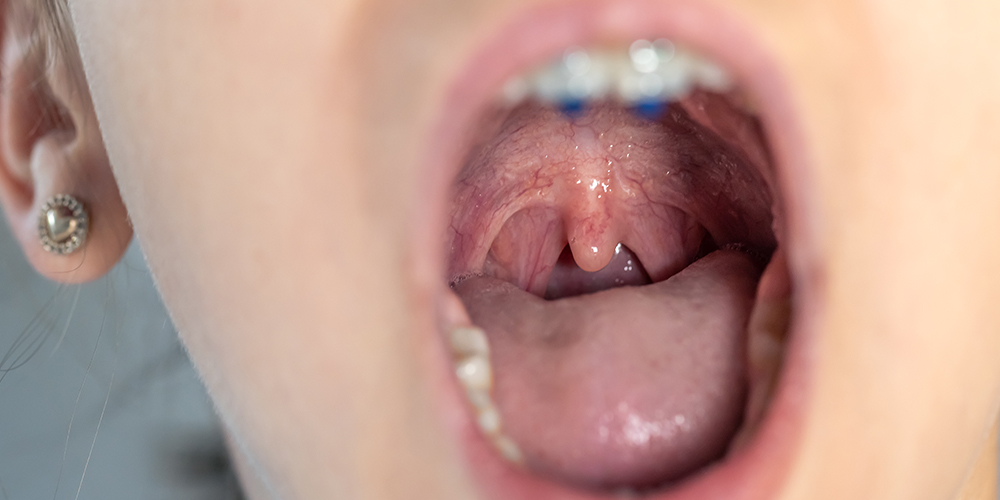
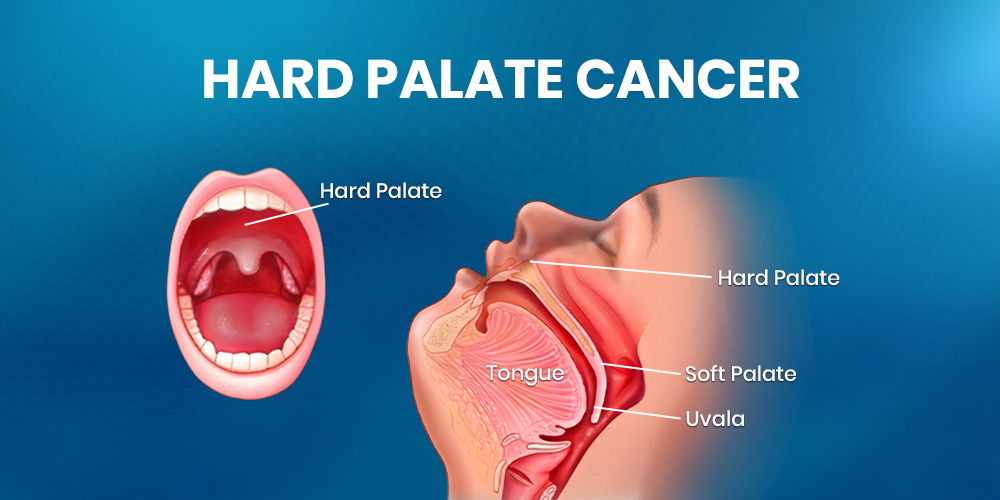
Hard palate cancer is a type of oral cancer that starts in the hard palate. The hard palate is the firm, bony part at the roof of your mouth. It sits between your teeth and the soft part of your palate near the throat.
Hard palate cancer is a condition where abnormal cells grow in the tissues of the hard palate. These cells grow in an uncontrolled way and can form a tumor. Over time, the tumor can damage nearby tissues and spread to other parts of the mouth or body if not treated early.
How It Develops in the Oral Cavity
This cancer begins when healthy cells in the hard palate change and start growing too fast. These changes often happen due to long-term irritation or damage. Tobacco use, alcohol use, poor oral care, or viral infections like HPV can increase the risk. At first, the changes may look like a small sore or patch. Over time, these cells grow deeper into the tissue and form a cancerous growth.
Difference Between Benign and Malignant Tumors in the Palate
Benign tumors do not spread to other parts of the body. They usually grow slowly and stay in one place. They also do not invade nearby tissues.
Malignant tumors, like hard palate cancer, grow in an uncontrolled way. They can invade nearby tissues and spread to other areas, including lymph nodes or distant organs. Malignant tumors need urgent medical treatment because they can become life-threatening.
Types of Cancers Affecting the Hard Palate
The most common type of hard palate cancer is squamous cell carcinoma. This cancer starts in the flat cells that line the inside of the mouth. It often develops due to long-term exposure to risk factors like tobacco or alcohol.
Other rare types can include:
- Minor salivary gland cancers, which start in the small glands in the palate
- Lymphomas, which affect immune system cells, in rare cases
- Melanoma, which starts in pigment-producing cells, is uncommon in the mouth
Each type of cancer behaves differently, so doctors choose treatment based on the exact type and stage.
What Are the Symptoms?
One common symptom of hard palate cancer is a sore on the hard palate. The hard palate is the bony part at the roof of your mouth. It separates your mouth from your nasal cavity, which sits inside your nose.
Other symptoms of hard palate cancer may include:
- Bad breath that does not go away, also known as halitosis
- A feeling that your teeth feel loose without a clear dental reason
- Dentures that no longer fit properly or feel uncomfortable
- Difficulty swallowing, also known as dysphagia
- A lump or swelling in the neck
These symptoms may start slowly and can seem mild at first. However, they often become more noticeable over time, so an early checkup helps in proper diagnosis.
Causes and Risk Factors
Hard palate cancer develops when cells in the roof of the mouth start growing in an abnormal way. Several factors can increase the risk of this change.
Tobacco Use (Smoking and Smokeless Tobacco)
Smoking cigarettes, cigars, or using smokeless tobacco exposes the mouth to harmful chemicals. These chemicals can damage cells in the hard palate over time.
Excessive Alcohol Consumption
Heavy alcohol use can irritate the tissues inside the mouth. When alcohol use combines with tobacco use, the risk becomes even higher.
Human Papillomavirus (HPV) Infection
HPV is a common virus that spreads through close contact. Some types of HPV can affect the mouth tissues and increase cancer risk.
Poor Oral Hygiene
Not cleaning the mouth properly can lead to infections and long-term irritation. This can weaken healthy oral tissues.
Chronic Irritation or Dental Issues
Sharp teeth, ill-fitting dentures, or constant friction in the mouth can irritate the hard palate over time.
Genetic Predisposition
Some people may have a higher risk due to inherited genetic factors that affect how their cells grow and repair.
How Is Hard Palate Cancer Diagnosed?
Doctors use several steps to find out if a person has hard palate cancer and to confirm the condition.
Physical Examination by a Dentist or Doctor
A dentist or doctor first looks inside the mouth and checks the hard palate for sores, lumps, or unusual changes. They also check the neck for swelling or enlarged lymph nodes.
Biopsy of Suspicious Tissue
If the doctor finds an abnormal area, they take a small sample of tissue. A lab then studies this sample to confirm if cancer cells are present.
Imaging Tests (CT Scan, MRI, PET Scan)
These scans help doctors see the size of the tumor and check if it has spread to nearby areas like the jaw, nose, or lymph nodes.
Importance of Early Diagnosis
Early diagnosis helps doctors start treatment sooner. It improves the chances of successful treatment and reduces the risk of cancer spreading to other parts of the body.
What Are the Stages of Hard Palate Cancer?
Healthcare providers determine hard palate cancer stages using imaging tests and biopsies to assess how far the cancer has grown and whether it has spread. The same staging system is used for most oral cancers, and stages are described either as numbered stages (Stage I to Stage IV) or by tumor classification (T category).
To define the stage more precisely, providers use the TNM staging system, which includes:
- T (Tumor): Refers to the size of the tumor and how far it has grown into nearby tissues.
- N (Nodes): Indicates whether the cancer has spread to nearby lymph nodes.
- M (Metastasis): Shows whether the cancer has spread to distant parts of the body. Cancer that spreads beyond its original site is called metastatic cancer.
Staging by Tumor Designation
Tumors are classified based on their size and how deeply they have grown into surrounding tissue (known as the depth of invasion). This helps determine how advanced the cancer is and guides treatment decisions.
- Tis (Carcinoma in situ): This is a very early stage of cancer. Abnormal cells are present but remain confined to a single layer of tissue and have not spread deeper.
- T1: The tumor is 2 centimeters (cm) or smaller and has grown no more than 5 millimeters (mm) into the tissue.
- T2: The tumor is larger than 2 cm but smaller than 4 cm. It has invaded the tissue to a depth between 5 mm and 10 mm.
- T3: The tumor is larger than 4 cm or has grown deeper than 10 mm into nearby tissue.
- T4: The tumor has advanced further and is growing into nearby structures, such as bones.
This classification provides a clearer picture of tumor progression and plays a key role in determining the overall cancer stage.
Cancer Staging by Number
Hard palate cancer stages are determined by combining tumor classification (T category) with TNM information. This helps describe how much the cancer has grown and whether it has spread.
- Stage I: The tumor is classified as T1, meaning it is 2 cm or smaller and has grown no more than 5 mm into nearby tissue.
- Stage II: The tumor has increased in size and grown deeper into the tissue, but it has not spread to lymph nodes or other areas of the body.
- Stage III: The tumor measures more than 4 cm or has grown deeper than 10 mm into the tissue, and it has spread to nearby lymph nodes.
- Stage IVa: The tumor has spread to nearby lymph nodes but has not extended from the hard palate into the nasal passages.
- Stage IVb: The tumor has spread beyond the lymph nodes or into nearby soft tissues, such as muscles and tendons.
- Stage IVc: The tumor has spread from the hard palate to other areas of the body beyond the neck lymph nodes.
Cancer staging helps healthcare providers plan the most effective treatment approach. However, staging can be complex. If anything is unclear or concerning, patients are encouraged to ask their provider for a detailed explanation based on their specific situation.
Treatment Options for Hard Palate Cancer
Treatment for hard palate cancer depends on the stage of the disease and how far it has spread. In most cases, surgery is the primary treatment approach.
Maxillectomy
One of the main surgical procedures used is a maxillectomy. In this procedure, the surgeon removes the tumor by creating an opening in the roof of the mouth. Depending on the extent of the cancer, part or all of the hard palate may be removed.
After surgery, the missing area in the roof of the mouth needs to be restored to support normal speaking and eating functions. This is usually done using a palatal prosthesis (palatal plate) made of acrylic, which fits into the roof of the mouth and is held in place with orthodontic wires.
In some cases, instead of a prosthesis, the gap may be reconstructed using soft tissue from another part of the body. This helps restore both the structure and function of the mouth more naturally.
Neck Dissection
Hard palate cancer can spread to lymph nodes in the neck. To stop further spread, doctors may remove some or all of these lymph nodes. This step helps reduce the risk of cancer moving to other parts of the body.
Treatment Complications and Side Effects
Surgery for hard palate cancer can lead to some side effects and challenges:
- Difficulty Speaking, Swallowing, and Eating
Removal of parts of the hard palate can affect normal mouth function. Some people may need speech therapy and additional procedures to improve eating and speaking. - Nerve Damage
Surgery in the neck area can sometimes affect nearby nerves. This may lead to weakness, numbness, or movement problems in certain areas.
Doctors plan treatment carefully based on the size and spread of the cancer to balance effective removal with quality of life after surgery.
Different Types of Oral Cancer
Oral cancer does not only affect the palate. It can also develop in other parts of the mouth and throat. Some common types include:
- Tongue cancer
- Lip cancer
- Gum cancer
- Throat cancer
- Cancer on the floor of the mouth
- Buccal mucosa (inner cheeks) cancer
How Clinical Trials Support Cancer Care
Clinical trials for oncology play an important role in improving cancer care. These research studies help researchers test potential new treatments, therapies, and approaches to find safer and more effective options for patients. In many cases, they focus on better ways to treat, manage, or prevent different types of cancer. For example, head and neck cancer clinical trials are ongoing studies that explore new treatment possibilities to improve patient outcomes. Participating in such trials may give patients access to investigational treatments while also contributing to future medical progress.
Conclusion:
In conclusion, hard palate cancer is a serious form of oral cancer that needs early detection and proper treatment for better outcomes. Understanding its symptoms, causes, stages, and treatment options helps improve awareness and care. Clinical trials for oncology also play a key role in advancing treatment options and improving patient outcomes.