Key Takeaways
- Stomach cancer (gastric cancer) occurs when abnormal cells grow in the stomach lining.
- Early stages often have no clear symptoms, which makes diagnosis difficult and leads to late detection in many cases.
- Common symptoms include indigestion, bloating, loss of appetite, weight loss, nausea, and stomach pain. In advanced stages, symptoms may worsen and spread-related signs may appear.
- The exact cause is not fully known, but long-term stomach irritation, infections, acid reflux, and dietary factors may increase risk.
- The most common type is adenocarcinoma, while other rare types include GISTs, lymphomas, and neuroendocrine tumors.
- Diagnosis involves endoscopy, biopsy, imaging scans, blood tests, and sometimes laparoscopy to confirm cancer and determine its stage.
- Staging ranges from Stage 0 (localized) to Stage IV (advanced and spread to other organs).
- Treatment depends on stage and location and may include surgery, chemotherapy, radiation therapy, targeted therapy, immunotherapy, and palliative care.
- Early detection significantly improves treatment success, while advanced stages are more difficult to cure but can still be managed to improve quality of life.
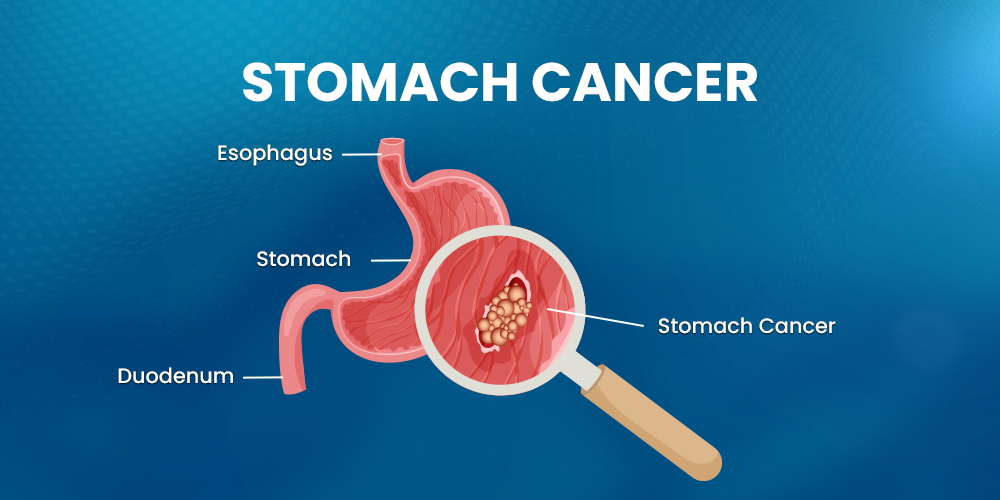
Stomach cancer, also known as gastric cancer, is a condition in which abnormal cells begin to grow uncontrollably in the lining of the stomach, forming a malignant tumor. The stomach plays a key role in digestion by breaking down food, and when cancer develops, it can gradually affect its normal function. The disease usually starts slowly over a period of years, often without noticeable changes in the early phase.
As the disease progresses, the cancer can spread deeper into the stomach wall and may extend to nearby organs and lymph nodes. Because it often develops silently in the early stages, it is considered a serious condition that may become advanced before being detected.
Signs and Symptoms of Stomach Cancer
Stomach cancer may not cause clear symptoms in its early stages, which makes it harder to detect. In the beginning, many people only notice mild digestive problems that are often ignored.
Common signs and symptoms of stomach cancer may include:
- Trouble swallowing
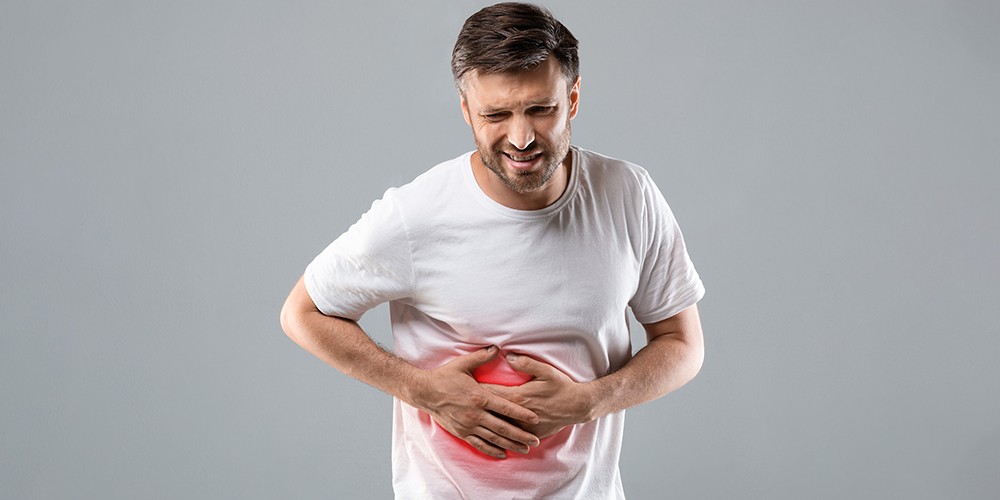
- Pain or discomfort in the upper belly
- Feeling bloated after eating
- Feeling full after eating small amounts of food
- Loss of appetite or not feeling hungry
- Frequent heartburn
- Indigestion
- Nausea
- Vomiting
- Unexplained weight loss
- Constant tiredness or weakness
- Black or dark-colored stools
As the cancer grows, symptoms may become more serious. In later stages, some people may experience vomiting blood, severe fatigue, and noticeable weight loss without trying.
If stomach cancer spreads to other parts of the body, it can cause additional symptoms depending on the affected area. For example, if it spreads to the lymph nodes, lumps may appear under the skin. If it reaches the liver, it may cause yellowing of the skin and eyes, known as jaundice. When cancer spreads inside the abdomen, fluid may build up, causing the belly to look swollen.
Recognizing these symptoms early and seeking medical attention can help improve treatment outcomes.
How Common Is Stomach Cancer?
Stomach cancer is one of the most common cancers worldwide, although it is less common in the United States. In the U.S., stomach cancer accounts for about 1.5% of all new cancer cases diagnosed each year. Over the past 10 years, the number of cases has continued to decline steadily.
Causes of Stomach Cancer
The exact cause of stomach cancer is not fully understood. However, experts believe it often begins when the inner lining of the stomach becomes damaged over time. This damage can increase the chances of abnormal cell growth.
Several factors may contribute to this damage, such as:
- Stomach infections
- Long-term acid reflux
- Regularly eating foods high in salt
Still, not everyone with these risk factors develops stomach cancer, which means more research is needed to understand the exact cause.
How Stomach Cancer Begins
Stomach cancer starts when cells in the inner lining of the stomach develop changes in their DNA. DNA contains the instructions that control how cells grow and function.
When these changes happen, the cells begin to grow and multiply too quickly. Unlike normal healthy cells, these abnormal cells do not die when they should. Instead, they continue building up and form a mass called a tumor.
How It Spreads
As the tumor grows, cancer cells can invade nearby healthy tissues and move deeper into the stomach wall. Over time, some cancer cells may break away and travel to other parts of the body through the blood or lymph system.
When stomach cancer spreads to other organs, such as the liver, lymph nodes, or abdomen, it is called metastatic stomach cancer. This stage is more advanced and may cause additional symptoms depending on where the cancer has spread.
Types of Stomach Cancer
The main types of stomach cancer are based on the kind of cells where the cancer begins. These include:
Adenocarcinoma
Adenocarcinoma is the most common type of stomach cancer. It starts in the mucus-producing cells of the stomach lining.
Gastrointestinal Stromal Tumors (GISTs)
GISTs are rare tumors that begin in special nerve-related cells found in the stomach wall.
Neuroendocrine Tumors (NETs)
NETs cancers start in neuroendocrine cells, which help control hormone release in the body.
Lymphoma
This type of stomach cancer starts in the immune system cells of the stomach and is usually a form of non-Hodgkin’s lymphoma.
Among all types, adenocarcinoma is the most common and is usually the focus when people talk about stomach cancer.
Diagnosis of Stomach Cancer
To diagnose stomach cancer, doctors begin by reviewing your medical history, discussing your symptoms, and performing a physical examination. They may check for signs such as stomach pain, weight loss, or a lump in the abdomen.
Several tests are used to confirm the diagnosis and determine the stage of the cancer. Staging helps doctors understand how far the cancer has spread, ranging from Stage 0 (limited to the stomach lining) to Stage IV (spread to other organs).
Common Tests for Stomach Cancer Diagnosis
- Upper Endoscopy – This is one of the most common tests. A thin tube with a small camera (endoscope) is passed through the mouth into the stomach to examine the stomach lining for abnormal areas.
- Biopsy – During an endoscopy, doctors may remove a small tissue sample. This sample is tested in a lab to check for cancer cells.
- Endoscopic Ultrasound – A special endoscope with an ultrasound probe helps doctors see how deeply the cancer has grown into the stomach wall and nearby tissues.
- Imaging Tests – CT scans, MRI scans, PET scans, and barium swallow X-rays help identify tumors and check whether the cancer has spread to other parts of the body.
- Blood Tests – These tests can help show how well your organs are working. If an organ is not functioning properly, it may be a sign that cancer has spread to that area.
- Laparoscopy – In some cases, a small camera is inserted through tiny cuts in the abdomen to look directly at the stomach and nearby organs if more detailed information is needed.
Early diagnosis can improve treatment success, especially when stomach cancer is found before it spreads.
Clinical Trials in Oncology: Exploring Better Treatment Possibilities
Oncology clinical trials play a vital role in advancing treatment options by testing potential new therapies, drug combinations, and innovative approaches that can improve patient outcomes. These studies help researchers understand what works best and for whom, especially in cancers that are difficult to treat. For example, gastroesophageal junction adenocarcinoma clinical trials are exploring an investigational therapy that may offer better response rates and improved survival. By participating in such trials, patients may gain access to potential cutting-edge treatments and contribute to medical progress that can benefit future cancer care.
Treatment of Stomach Cancer
Treatment for stomach cancer depends on the cancer’s location, stage, overall health, and the patient’s treatment goals. Doctors may use one or a combination of treatments to manage the disease effectively.
Common Treatment Options for Stomach Cancer
1. Surgery
Surgery is often the main treatment for stomach cancer, especially when the cancer is found early. The goal is to remove the cancer completely.
Types of surgery include:
- Endoscopic Mucosal Resection – Used for very early-stage cancers limited to the inner lining of the stomach.
- Subtotal Gastrectomy – Removes the part of the stomach affected by cancer.
- Total Gastrectomy – Removes the entire stomach and nearby tissues if the cancer is more advanced.
- Lymph Node Removal – Nearby lymph nodes may also be removed to check if cancer has spread.
- Palliative Surgery – Helps relieve symptoms such as pain or blockage in advanced stages.
2. Chemotherapy
Chemotherapy uses drugs to destroy cancer cells and may be given before or after surgery.
It may be used for:
- Shrinking the tumor before surgery (neoadjuvant chemotherapy)
- Destroying remaining cancer cells after surgery (adjuvant chemotherapy)
- Controlling advanced or stage 4 stomach cancer
- Relieving symptoms when surgery is not possible
In some cases, a special form called HIPEC (Hyperthermic Intraperitoneal Chemotherapy) may be used after surgery for advanced cancer.
3. Radiation Therapy
Radiation therapy uses high-energy rays to kill cancer cells. It is often combined with chemotherapy.
It may help by:
- Shrinking the tumor before surgery
- Destroying leftover cancer cells after surgery
- Reducing symptoms such as pain or bleeding in advanced cancer
4. Targeted Therapy
Targeted therapy uses medicines that attack specific proteins or changes in cancer cells. It helps stop cancer growth while causing less damage to healthy cells.
This treatment is usually used for advanced or recurring stomach cancer after testing the tumor cells.
5. Immunotherapy
Immunotherapy helps the body’s immune system recognize and fight cancer cells more effectively.
It is commonly used for:
- Advanced stomach cancer
- Stage 4 cancer
- Cancer that returns after treatment
6. Palliative Care
Palliative care is specialized medical support that focuses on improving the quality of life for people living with serious illnesses, including cancer.
For stomach cancer, it helps manage symptoms such as pain, nausea, fatigue, and loss of appetite. The main goal is to make the patient as comfortable as possible.
This type of care is provided by a team of trained professionals, which may include doctors, nurses, and other specialists. They work closely with the patient, family, and treatment team to provide physical, emotional, and psychological support.
Palliative care can be given at any stage of cancer and can be provided alongside treatments like surgery, chemotherapy, or radiation therapy.
When combined with standard cancer treatments, palliative care can help improve comfort, enhance quality of life, and in some cases, support better overall outcomes.
Conclusion:
In conclusion, stomach cancer is a serious condition, but early detection can significantly improve outcomes. Understanding its symptoms, causes, and treatment options helps in timely action. With proper diagnosis and the right treatment, many patients can manage the disease effectively. Regular check-ups and awareness play a key role in better health.
Frequently Asked Questions
What are the early signs of stomach cancer?
Early stomach cancer often causes mild symptoms like indigestion, bloating, loss of appetite, or feeling full after small meals. Many people do not notice symptoms in the early stage.
What causes stomach cancer?
Stomach cancer usually develops when long-term damage to the stomach lining leads to abnormal cell growth. Risk factors may include infections, acid reflux, smoking, and high-salt diets.
Is stomach cancer curable?
Yes, stomach cancer can be curable if detected early and limited to the stomach. Advanced stages are harder to cure but can still be treated to control symptoms and improve life quality.
How is stomach cancer diagnosed?
Doctors diagnose stomach cancer using endoscopy, biopsy, imaging scans (CT, MRI, PET), blood tests, and sometimes laparoscopy to confirm the stage and spread.
Who is at risk of stomach cancer?
People with long-term stomach inflammation, certain infections, smoking habits, poor diet, or a family history of stomach cancer have a higher risk.
Can diet affect stomach cancer risk?
Yes, a diet high in salty, smoked, or processed foods may increase risk, while a balanced diet rich in fruits and vegetables may help lower it.
What is the survival rate of stomach cancer?
Survival depends on the stage at diagnosis. Early-stage stomach cancer has a much higher survival rate compared to advanced-stage cancer that has spread.
Can stomach cancer spread to other organs?
Yes, if not treated early, stomach cancer can spread to lymph nodes, liver, lungs, and other organs, making treatment more complex.