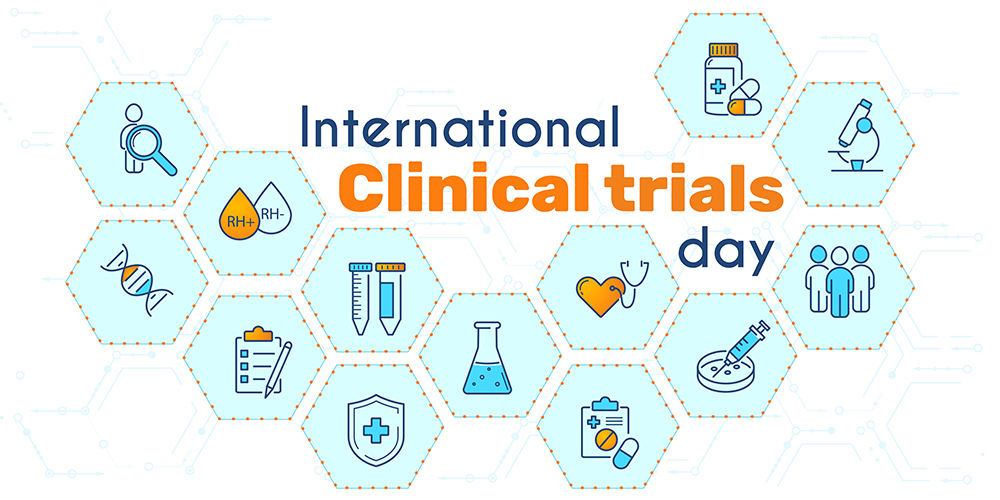
Clinical Trial Day, observed every year on May 20, is a reminder of how far medical research has come and the people who make that progress possible. From researchers and healthcare professionals to the volunteers who participate in studies, every contribution plays a part in improving treatments and shaping the future of healthcare.
The day traces back to 1747, when James Lind conducted what is widely recognized as the first recorded clinical trial. While working as a naval surgeon, he tested different remedies to treat scurvy among sailors and discovered that citrus fruits were highly effective.
Since that groundbreaking study began on May 20, the date has been recognized internationally as Clinical Trial Day. Today, it stands as a celebration of medical progress, innovation, and the hope clinical research continues to bring to patients around the world.
Why Clinical Trials Matter in 2026
Clinical trials continue to play a crucial role in shaping the future of medicine. In 2026, they are more important than ever as healthcare moves toward continuous innovation and more patient-focused treatments.
Role of Clinical Trials in Developing New Treatments
Clinical trials are the foundation of medical progress. They help researchers test potential new drugs, therapies, and procedures before they become widely available. Without trials, safe and effective treatments for many diseases would not exist.
Improving Patient Outcomes and Healthcare Standards
These studies ensure that treatments are both safe and effective. By carefully testing medical approaches, clinical trials help improve recovery rates, reduce side effects, and raise overall healthcare standards worldwide.
Growth of Personalized Medicine and Targeted Therapies
One of the biggest advancements in 2026 is personalized medicine. Clinical trials now focus more on tailoring treatments based on a patient’s genetics, lifestyle, and disease type. This leads to more precise and effective care rather than one-size-fits-all solutions.
Contribution to Cancer Care, Rare Diseases, and Chronic Conditions
Clinical trials are especially important in areas like cancer, rare diseases, and chronic conditions. They may offer patients an opportunity to explore new treatment possibilities and help researchers better understand complex diseases and how to treat them effectively.
How Clinical Trials Benefit Patients
Patients can benefit from clinical trials in many meaningful ways.
Close Medical Monitoring and Expert Care
Participants in clinical trials are closely monitored by doctors and research teams. This means regular checkups, detailed attention, and expert guidance throughout the study.
Access to Potential New and Emerging Treatments
Clinical trials may give patients a chance to access investigational treatments that are not yet widely available. These options may help when standard treatments are not working or are limited.
Helping Future Generations Through Medical Research
By joining a clinical trial, patients also contribute to medical progress. Their participation helps researchers learn more about diseases and develop better treatments for future patients.
Increasing Awareness and Participation Opportunities
Clinical trials also create awareness about potential new medical options. They help more people understand available research opportunities and encourage informed participation in advancing healthcare.
Advances in Clinical Research in Recent Years
Clinical research has changed a lot in recent years. With the help of technology, better systems, and a stronger focus on patients, clinical trials are now more efficient, inclusive, and accessible than ever before.
Growth of Digital and Decentralized Clinical Trials
Digital and decentralized clinical trials are transforming how research is conducted. Instead of requiring patients to visit hospitals frequently, many studies now allow participation from home. This improves comfort, accessibility, and participation rates.
- Patients can join trials from home using mobile apps or online platforms.
- Wearable devices help track real-time health data like heart rate and activity.
- Virtual consultations reduce the need for frequent hospital visits.
- Remote monitoring allows researchers to collect accurate data continuously.
- Greater convenience encourages more people to participate in studies.
Use of AI and Technology in Research Processes
Artificial intelligence (AI) and advanced digital tools are making clinical research faster and more accurate. These technologies help researchers manage large datasets and identify important patterns that may not be visible otherwise.
- AI helps analyze complex medical data quickly and efficiently.
- Machine learning identifies patterns in patient responses and outcomes.
- Digital systems improve accuracy in data collection and reporting.
- Predictive tools help researchers design better and safer trials.
- Automation reduces manual errors and saves time in research processes.
Faster Patient Recruitment and Data Collection Methods
Recruiting patients and collecting data used to take a long time, but new systems have significantly improved this process. Modern tools help researchers connect with eligible participants more effectively.
- Online platforms match patients with suitable clinical trials.
- Electronic health records speed up eligibility screening.
- Digital forms make data submission faster and easier.
- Real-time updates improve communication between patients and researchers.
- Streamlined processes help trials start and finish more quickly.
Improved Diversity and Inclusion in Clinical Studies
Clinical trials are now focusing more on including diverse populations. This ensures that treatments work effectively for people of different ages, genders, ethnicities, and health conditions.
- Trials now include participants from varied backgrounds and regions.
- Efforts are made to include underrepresented communities.
- Broader participation improves the accuracy of research results.
- Diverse data helps create more effective and personalized treatments.
- Awareness campaigns encourage equal access to trial opportunities.
The Role of Researchers, Healthcare Teams, and Participants
Clinical trials are a team effort. They depend on the dedication of researchers, healthcare professionals, and patients who all work together to advance medical science and improve treatment outcomes.
Contributions of Doctors, Nurses, and Research Coordinators
Doctors, nurses, and research coordinators are at the heart of every clinical trial. They design studies, ensure patient safety, and carefully monitor progress throughout the research process.
- Doctors plan and lead clinical trial studies.
- Nurses provide hands-on care and monitor patient health closely.
- Research coordinators manage day-to-day trial activities and documentation.
- Medical teams ensure safety protocols and ethical guidelines are followed.
- Regular assessments help track patient progress and treatment response.
Importance of Patient Volunteers in Medical Progress
Patient volunteers play a vital role in making clinical research possible. Without their participation, study treatments could not be tested or improved.
- Volunteers help test investigational treatments and therapies.
- Their participation provides real-world data for researchers.
- Patients help identify benefits and possible side effects of investigational treatments.
- Their involvement supports the development of safer medicines.
- Every participant contributes to future medical breakthroughs.
Collaboration Between Research Institutions and Healthcare Organizations
Strong collaboration between hospitals, research centers, and healthcare organizations is essential for successful clinical trials. This teamwork helps improve efficiency and ensures high-quality research.
- Research institutions design and manage scientific studies.
- Hospitals provide access to patients and clinical facilities.
- Healthcare organizations ensure regulatory compliance and ethics.
- Shared expertise improves study quality and accuracy.
- Collaboration speeds up the development of new treatments.
How to Participate in a Clinical Trial?
Participating in a clinical trial is a structured process designed to ensure safety and suitability for every individual. Patients who are interested usually go through a screening and evaluation process before joining a study.
Basic Eligibility and Screening Process
- Each clinical trial has specific eligibility criteria such as age, medical condition, and treatment history.
- Patients first express interest and are then assessed by the research team.
- Screening may include medical tests, physical examinations, and review of health records.
- Only those who meet the criteria are enrolled in the study.
- This process ensures safety and reliable research results.
Where Patients Can Find Clinical Trial Opportunities
- Hospitals and specialized research centers conducting ongoing studies.
- Doctors and healthcare providers who may recommend suitable trials.
- Online clinical trial registries and databases listing active studies.
- Research organizations and healthcare networks involved in clinical research.
- Trusted platforms that match patients with relevant trial opportunities.
Questions to Ask Before Joining a Study
- What is the purpose of the clinical trial?
- What are the possible risks and benefits involved?
- How long will the study last?
- What treatments or procedures will I receive?
- How will my safety be monitored during the trial?
- Can I leave the trial anytime if I choose to?
Clinical Trials in Nebraska
NHO Revive is conducting research studies in Nebraska to explore potential new treatment options for cancer. These studies aim to improve understanding of different cancer types and evaluate investigational therapies under expert medical supervision. By participating, patients may gain access to investigational treatments and play a part in advancing oncology care.
Note: To learn more, visit clinical trials for oncology, where ongoing research initiatives focus on advancing cancer care and supporting better outcomes for patients.
Conclusion:
Clinical Trial Day highlights the importance of research in advancing modern healthcare. Clinical trials help develop better treatments, improve patient outcomes, and support medical innovation. From researchers to participants, every role matters in shaping the future of medicine. Continued awareness and participation will drive progress and bring hope to patients worldwide.