AI Overview:
A lymphoma rash can cause red, purple, scaly, raised, or thickened skin, often with persistent itching. However, these symptoms can resemble common skin conditions such as eczema, psoriasis, allergies, and fungal infections. A rash alone cannot diagnose lymphoma, so persistent or worsening skin changes should be evaluated by a healthcare professional. Diagnosis may involve a physical exam, skin biopsy, blood tests, or imaging, depending on the symptoms.
Key Takeaways
- Lymphoma rash can cause red, purple, scaly, raised, thickened, or irritated areas of skin, but its appearance can vary.
- Itching can be a symptom of lymphoma and may occur with or without a visible rash.
- Many common skin conditions such as eczema, psoriasis, allergies, and fungal infections can look similar to lymphoma-related skin changes.
- A rash alone cannot diagnose lymphoma. A healthcare professional may use a physical exam, skin biopsy, blood tests, or imaging to determine the cause.
- Persistent, worsening, or recurring rashes and severe itching should be evaluated, especially when accompanied by symptoms such as swollen lymph nodes, fever, night sweats, or unexplained weight loss.
- Treatment depends on the underlying cause and type of lymphoma and may include topical treatments, light-based therapy, systemic treatment, or symptom management.
What Is a Lymphoma Rash?
A lymphoma rash refers to skin changes that may occur when lymphoma affects the skin or when the body responds to the disease. Lymphoma begins when lymphocytes, a type of white blood cell that helps the immune system fight disease, become abnormal and multiply uncontrollably. These cells are found throughout the lymphatic system and can also be present in the skin. When lymphoma affects lymphocytes in the skin, it may cause patches, bumps, redness, itching, or other changes. Some types of non-Hodgkin lymphoma can primarily affect the skin. These are called cutaneous lymphomas and are considered blood cancers because they begin in lymphocytes rather than skin cells.
A lymphoma-related rash can also occur indirectly as part of the body’s immune response to the disease, even when lymphoma cells are not directly affecting the skin. However, most rashes are caused by more common conditions, such as allergies, eczema, psoriasis, or infections. Having a rash does not mean you have lymphoma. A healthcare professional can assess persistent or unusual skin changes and determine the underlying cause based on your symptoms, medical history, and any necessary testing.
What Does Lymphoma Rash Look Like?
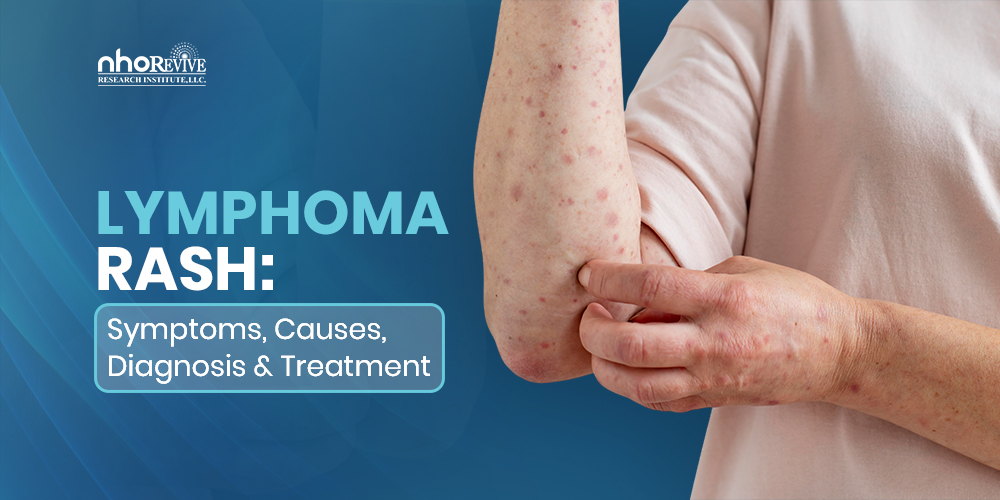
A lymphoma rash can look different depending on the type of lymphoma and how it affects the skin. It may resemble common skin conditions such as eczema or psoriasis, which can make it difficult to identify based on appearance alone. Common changes may include:
- Red, pink, purple, or brownish patches: Flat areas of discolored skin may appear on different parts of the body.
- Raised or scaly areas: Some rashes form raised plaques that may feel rough, dry, or flaky.
- Small bumps or lumps: The skin may develop small bumps or firmer nodules that can sometimes feel tender.
- Thickened skin: Areas affected by the rash may become thicker or have a different texture than the surrounding skin.
- Dry or irritated skin: The affected areas may feel dry, rough, or inflamed.
The rash may also cause intense itching, which can sometimes occur before noticeable skin changes appear. Some people may experience burning, tenderness, soreness, or a tight feeling in the affected skin. The location and appearance can vary depending on the type of lymphoma and how much of the skin is affected. Since many other skin conditions can cause similar symptoms, a rash alone cannot confirm lymphoma.
Is Lymphoma Rash Itchy?
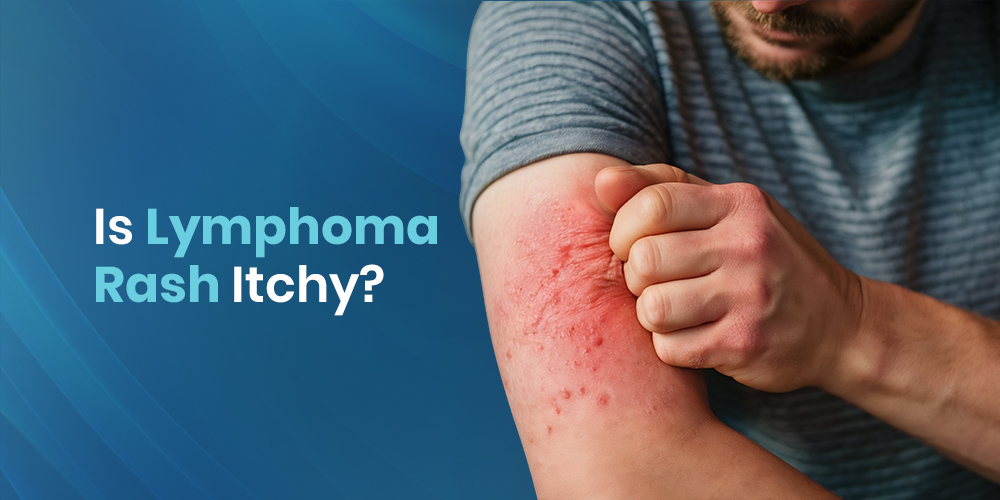
Yes, a lymphoma-related rash can be itchy, and the itching may range from mild to intense. Skin changes caused by cutaneous lymphoma may feel itchy, dry, burning, or tender. In some cases, lymphoma can cause persistent itching without a visible rash, and the itching may affect large areas of the body or become worse at night.
However, itching does not always mean lymphoma. Common conditions such as dry skin, eczema, allergies, and other skin disorders can also cause significant itching. An itchy rash on its own is not enough to indicate lymphoma. If itching is persistent, severe, affects your sleep, or occurs along with symptoms such as unexplained weight loss, fever, night sweats, or swollen lymph nodes, it is important to speak with a healthcare professional.
Types of Lymphoma That Can Affect the Skin
Not all lymphomas affect the skin in the same way. Some types develop in the skin itself, while others may affect the skin as the disease progresses. The appearance and location of skin changes can therefore vary from one person to another.
Cutaneous Lymphoma
Cutaneous lymphoma is a type of lymphoma that primarily affects the skin. It develops when abnormal lymphocytes collect in the skin and can cause visible changes such as:
- Red, pink, purple, or brown patches
- Raised or scaly plaques
- Small bumps or firm nodules
- Thickened or irritated areas of skin
- Persistent itching, dryness, or tenderness
These skin changes may develop on different parts of the body and can sometimes resemble common conditions such as eczema or psoriasis.
Non-Hodgkin Lymphoma
Some types of non-Hodgkin lymphoma can affect the skin. Skin involvement may occur as part of the lymphoma itself or when lymphoma cells spread to the skin. Depending on the type and extent of the disease, a person may develop patches, raised areas, lumps, or other unusual skin changes.
Not everyone with non-Hodgkin lymphoma will develop a skin rash. When skin symptoms do occur, their appearance and location can vary.
Hodgkin Lymphoma
A skin rash is not usually a direct sign of Hodgkin lymphoma. However, some people with Hodgkin lymphoma may experience persistent or widespread itching, sometimes even without a visible rash. This itching can affect different areas of the body and may become particularly bothersome at night.
Skin symptoms can have many possible causes, so a rash or persistent itching alone cannot determine whether someone has lymphoma. A healthcare professional can evaluate the symptoms and recommend appropriate testing when necessary.
Lymphoma Rash vs. Other Common Skin Rashes
A lymphoma-related rash can look similar to many common skin conditions. Redness, itching, dryness, scaling, and raised patches can occur with several different causes, so it is not possible to identify lymphoma based on the appearance of a rash alone.
Some conditions that may cause similar skin changes include:
- Eczema: Often causes dry, itchy, inflamed, or scaly patches. It may flare periodically and can affect areas such as the hands, face, or skin folds.
- Contact dermatitis: Develops when the skin reacts to an irritating or allergenic substance. The affected area may become red, itchy, swollen, or blistered.
- Psoriasis: Can cause raised, well-defined patches covered with dry, silvery scales. It commonly affects areas such as the elbows, knees, and scalp.
- Allergic reactions: May cause sudden itching, redness, raised welts, or widespread skin changes after exposure to an allergen.
- Fungal infections: Can cause itchy, scaly, or irritated patches. Some fungal rashes have a ring-shaped appearance with clearer skin in the center.
Because these conditions can resemble lymphoma-related skin changes, appearance alone cannot confirm the cause. A healthcare professional may consider how long the rash has been present, how it has changed, what other symptoms are present, and your medical history. If necessary, additional tests, such as a skin biopsy, may be used to determine the cause.
When Should You See a Doctor About a Rash?
Most rashes are caused by common skin conditions and are not related to lymphoma. However, it is a good idea to speak with a healthcare professional if a rash is persistent, keeps changing, or does not improve with usual care. You should consider medical evaluation if you notice:
- A rash that does not improve: See a doctor if the rash lasts for several weeks or does not get better with appropriate treatment.
- A rash that keeps returning: Repeated flare-ups without a clear cause may need further evaluation.
- Changes in the rash: Seek medical advice if the rash spreads, becomes thicker, develops new bumps, or changes in appearance.
- Persistent or severe itching: Intense itching that continues or interferes with sleep should be evaluated, especially when there is no obvious cause.
- Other unexplained symptoms: A rash accompanied by swollen lymph nodes, unexplained weight loss, persistent fever, drenching night sweats, or ongoing fatigue warrants medical attention.
It is important not to self-diagnose lymphoma based on a rash alone. Many skin conditions can look similar, and a healthcare professional can assess your symptoms and determine whether further testing is needed.
How Is Lymphoma Rash Diagnosed?
Diagnosing a lymphoma rash usually involves looking at the skin closely and checking for other signs that may point to lymphoma. Since many common skin conditions can look similar, a doctor may use several tests to identify the cause. The diagnostic process may include:
- Medical history and physical examination: A doctor will ask about the rash, when it started, how it has changed, and any other symptoms. They may also examine the rash and check for swollen lymph nodes.
- Skin biopsy: If lymphoma affecting the skin is suspected, a small sample of the affected skin may be removed and examined under a microscope. A biopsy can help identify abnormal lymphocytes and determine whether the skin changes are related to lymphoma.
- Blood tests: Blood tests may be used to look for changes in blood cell counts or other signs that may suggest lymphoma or another underlying condition.
- Imaging tests: Depending on the symptoms and findings, CT, MRI, or PET scans may be used to look at lymph nodes and other areas of the body.
- Lymph node testing: If swollen or enlarged lymph nodes are present, a lymph node biopsy may be recommended to determine whether lymphoma cells are present.
The tests needed depend on the individual’s symptoms, medical history, and physical examination. A rash alone cannot diagnose lymphoma, and further testing is only recommended when a healthcare professional suspects an underlying condition.
How Is Lymphoma Rash Treated?
Treatment for a lymphoma rash depends on what is causing the skin changes and the type of lymphoma involved. If the rash is caused by a common skin condition rather than lymphoma, treatment will focus on that underlying condition. When lymphoma is affecting the skin, treatment may be directed at the lymphoma itself and may help improve related skin symptoms.
Depending on the type and extent of lymphoma, treatment may include:
- Topical treatments: Creams or ointments may help reduce inflammation, dryness, itching, or other skin symptoms, particularly when the lymphoma is limited to certain areas of the skin.
- Light-based therapy: Certain types of cutaneous lymphoma may be treated with controlled ultraviolet light to target abnormal cells in the skin.
- Systemic treatment: When lymphoma affects larger areas of the skin or other parts of the body, treatment that works throughout the body may be recommended.
- Symptom management: Moisturizers and other supportive measures may help relieve dryness and itching alongside treatment for the underlying condition.
The appropriate treatment depends on factors such as the type of lymphoma, areas affected, extent of the disease, and overall health. Not every rash requires lymphoma-specific treatment, and many rashes have causes unrelated to cancer. A healthcare professional can recommend the most appropriate approach after confirming the cause of the skin changes.
Advancing Cancer Research Through Clinical Trials
NHO Revive is conducting cancer research studies to evaluate potential new treatment approaches for people living with cancer. For example, follicular lymphoma clinical trials are studying the safety of an investigational drug for people living with follicular lymphoma. By participating, you can contribute to advancing cancer research.
Conclusion:
In conclusion, a lymphoma rash can cause various skin changes, including redness, scaling, bumps, and persistent itching. However, these symptoms can resemble common skin conditions. If a rash persists, returns, or occurs with other unexplained symptoms, consult a healthcare professional for proper evaluation and diagnosis.
Frequently Asked Questions
How long does a lymphoma rash last?
A lymphoma rash can last for months or years and may fade and return over time, especially if left untreated. Its duration depends on the type of lymphoma, extent of skin involvement, and response to treatment.
How do I know if my rash is lymphoma?
You cannot tell if a rash is lymphoma based on its appearance alone. Lymphoma-related skin changes can resemble common conditions such as eczema or psoriasis, with symptoms such as persistent itching, red or scaly patches, or thickened areas of skin. A healthcare professional can determine the cause through a physical examination and, when needed, a skin biopsy.
What is a stage 1 lymphoma rash?
A stage 1 lymphoma rash generally refers to early-stage cutaneous T-cell lymphoma (CTCL), such as mycosis fungoides, where abnormal lymphocytes affect the skin. It may appear as dry, red, scaly, or thin, flat patches that can resemble eczema or psoriasis. At this early stage, the lymphoma is primarily limited to the skin, without significant lymph node involvement.
What is stage 4 lymphoma rash?
A stage 4 lymphoma rash may involve widespread and advanced skin changes, including thick plaques, nodules, tumors, or severe redness covering large areas of the body (erythroderma). These changes may occur when lymphoma has spread beyond the skin to distant lymph nodes, bone marrow, or other organs.