Many patients describe the same experience. The signs were there, but they looked ordinary until a diagnosis changed everything. Below, we walk through what those early clues often look like and why paying attention to them matters.
Key Takeaways
- Early lung cancer symptoms often resemble a cold, allergies, or simple fatigue.
- A cough that lingers past three weeks deserves a doctor’s attention.
- Lung cancer includes several subtypes, each with its own pattern of symptoms.
- Clinical research continues to expand treatment options for patients at every stage.
- Early detection remains one of the strongest factors in improving long-term outcomes.
Introduction
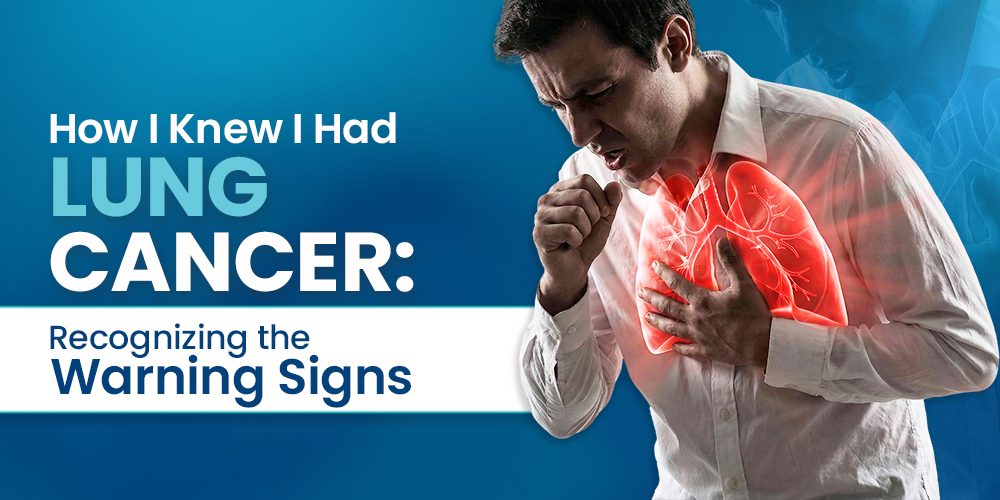
I did not expect a simple cough to change my life. At first, it felt like nothing, just a scratchy throat that lingered a bit too long. Consequently, I brushed it off for weeks, blaming allergies and a busy schedule. However, the cough did not fade, and new symptoms slowly joined it.
This is a common story among people later diagnosed with lung cancer, and it often begins with signs mistaken for something minor. In this post, we walk through the early symptoms, the lung cancer subtypes behind them, and how clinical research offers new paths forward for patients and families searching for answers.
What Were My First Lung Cancer Symptoms?
My first symptom was a dry cough that would not go away. Eventually, I noticed shortness of breath after climbing stairs I used to manage easily. Then came a dull ache in my chest that came and went without warning. Additionally, I started losing weight without trying, which felt strange rather than alarming at first. These changes seemed small on their own, yet together they painted a clearer picture. A lung tumor can grow quietly for months before symptoms become obvious enough to prompt a visit to the doctor.
Could a Persistent Cough Be a Warning Sign?
Coughing is common, so it rarely raises concern right away. Still, a cough lasting more than three weeks is worth mentioning to a doctor. Mine changed in sound over time, growing deeper and occasionally producing blood streaked mucus. Naturally, that detail pushed me to finally schedule an appointment. Doctors often treat a stubborn cough as a first clue rather than a final answer. Consequently, they may order imaging tests to check the lungs more closely and rule out lung cancer or other conditions.
What Is Large Cell Lung Carcinoma (LCLC)?
Large cell lung carcinoma is one of several non-small cell lung cancer subtypes. It tends to grow and spread faster than other common forms. Therefore, doctors often diagnose it at a later stage, since symptoms progress quickly. LCLC cells look large and abnormal under a microscope, which gives the condition its name. Understanding which subtype you have shapes the treatment plan your care team recommends. Genetic testing can also reveal specific markers that guide more targeted therapy choices.
Understanding Neuroendocrine Cancer and Pancoast Tumors
Neuroendocrine cancer starts in hormone producing cells found throughout the lungs. These tumors can behave differently than typical lung cancers, sometimes growing more slowly. Meanwhile, Pancoast tumors form near the top of the lung, close to nerves and blood vessels.
As a result, they often cause shoulder pain, arm weakness, or drooping eyelids before typical breathing symptoms appear. These unusual symptom patterns explain why some diagnoses take longer to confirm. Recognizing them early gives patients more treatment options and a better chance at manageable outcomes.
What Happens When Lung Cancer Spreads?
When cancer spreads beyond the lungs, doctors call it metastatic lung cancer. Fluid can also build up around the lungs, a condition known as malignant pleural effusion. This buildup often causes chest tightness and worsening shortness of breath.
Consequently, doctors may need to drain the fluid to help you breathe more easily. Metastatic disease can reach the bones, liver, or brain, depending on the case. Still, ongoing research into targeted therapies continues to improve quality of life even at advanced stages.
Adenocarcinoma of the Lung: A Common Diagnosis
Adenocarcinoma of the lung is the most frequently diagnosed form of lung cancer today. It develops in the outer areas of the lung and grows relatively slowly at first. Interestingly, it appears in both smokers and people who have never smoked.
Therefore, doctors do not rule out lung cancer simply because a patient lacks a smoking history. Symptoms can include a persistent cough, chest discomfort, and fatigue that does not improve with rest. Early imaging and biopsy remain the most reliable ways to confirm this diagnosis.
Lung Cancer Subtypes at a Glance
Does Smoking Weed Cause Lung Cancer?
This question comes up often among younger patients and their families. Research on whether smoking weed causes lung cancer is still developing and not fully conclusive. However, inhaling any combusted smoke exposes the lungs to harmful chemicals and irritants.
Consequently, doctors recommend caution and encourage open conversations about lung health risks. Vaping and other alternatives carry their own uncertainties as researchers continue to study long-term effects. If you have concerns, discussing your habits honestly with your doctor helps guide better screening decisions.

How Can You Prevent Lung Cancer?
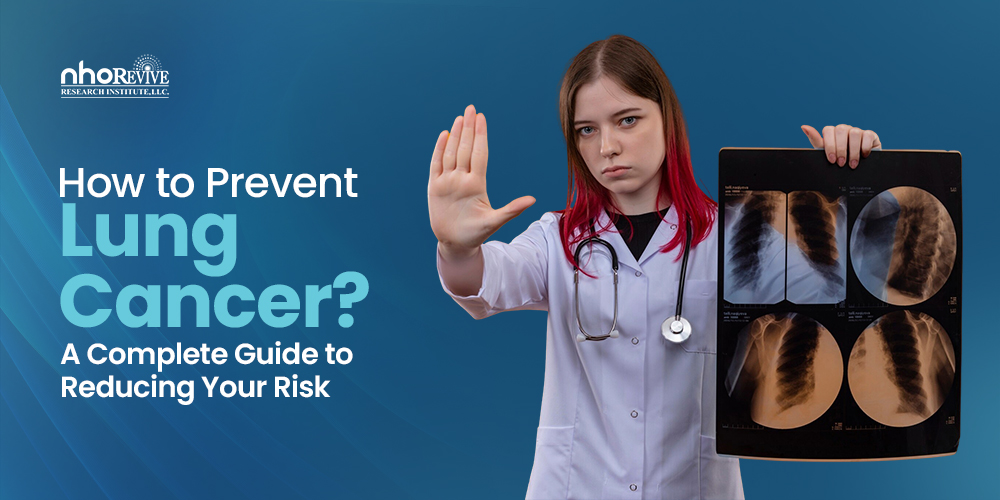
No method guarantees complete protection, but several steps lower your risk. Avoiding tobacco use remains the single most effective way to prevent lung cancer. Additionally, testing your home for radon gas can reduce exposure to a hidden risk factor.
Eating a balanced diet and staying physically active also support overall lung health. Furthermore, regular checkups allow doctors to catch changes early, before symptoms become severe. Simple, consistent habits often make a bigger difference than people expect.
Is Lung Cancer Curable? What Research Shows
Whether lung cancer is curable depends heavily on the stage at diagnosis. Early stage cancers, caught before they spread, often respond well to surgery or targeted treatment. However, advanced or metastatic lung cancer usually requires ongoing management rather than a single cure.
Thankfully, survival rates have improved as new therapies and clinical trials expand treatment options. Immunotherapy and targeted drugs now offer paths that did not exist a decade ago. Consequently, many patients live longer, fuller lives even after an advanced diagnosis.
Why Clinical Trials Matter for Lung Cancer Research
Clinical trials give patients access to treatments not yet widely available. At NHO Revive, our oncology clinical research team studies both small cell lung cancer clinical trials and non-small cell lung cancer clinical trials. These studies help researchers understand which therapies work best for specific subtypes.
Meanwhile, clinical research studies in Nebraska continue to grow, giving local patients more nearby options. Participating in a trial does not mean giving up standard care. Instead, it often means gaining access to additional monitoring and emerging treatment approaches.
Conclusion
Looking back, my symptoms were quiet at first, easy to dismiss as something minor. Gradually, they became harder to ignore, and that persistence led to an earlier diagnosis than I expected. Lung cancer includes several subtypes, each with distinct symptoms and treatment paths.
Therefore, understanding your body and acting on lingering symptoms can make a real difference. If you or a loved one are exploring diagnosis or treatment options, clinical research may offer paths not available through standard care alone. Reach out to NHO Revive to learn more about current lung cancer clinical trials near you.
Frequently Asked Questions
What is the earliest sign of lung cancer?
A persistent cough is often the earliest noticeable symptom, though it can be easy to overlook.
Is lung cancer curable if caught early?
Yes, early stage lung cancer often responds well to surgery, radiation, or targeted therapy.
Does smoking weed cause lung cancer?
Research remains limited, but inhaling any smoke exposes the lungs to harmful irritants.
What is the difference between small cell and non-small cell lung cancer?
Small cell lung cancer grows faster and spreads sooner, while non-small cell types progress more gradually.
How do clinical trials help lung cancer patients?
Clinical trials offer access to newer therapies while adding extra monitoring alongside standard treatment.