Key Takeaways
- Blood cancer includes leukemia, lymphoma, and multiple myeloma, each with different subtypes and treatment approaches.
- Some blood cancers can be cured, while others are generally managed with ongoing treatment.
- Prognosis depends on factors such as cancer type, subtype, disease extent, age, overall health, genetics, and treatment response.
- Treatment options may include chemotherapy, targeted therapy, immunotherapy, radiation therapy, and stem cell transplantation.
- Remission means signs of cancer have decreased or are no longer detectable, while a cure means the cancer is not expected to return.
- A healthcare professional can provide more specific information about prognosis and treatment based on an individual’s diagnosis.
Quick Answer
Blood cancer can be curable, depending on the type, subtype, and response to treatment. Some forms of leukemia and lymphoma can be cured, while multiple myeloma is generally treatable but not usually curable. Treatment options include chemotherapy, targeted therapy, immunotherapy, radiation therapy, and stem cell transplantation. Age, overall health, genetic characteristics, and treatment response can also affect prognosis.
What Is Blood Cancer?
Blood cancer is a group of cancers that affect blood cells and the tissues responsible for producing them. Many blood cancers begin in the bone marrow, the soft tissue inside bones where new blood cells develop.
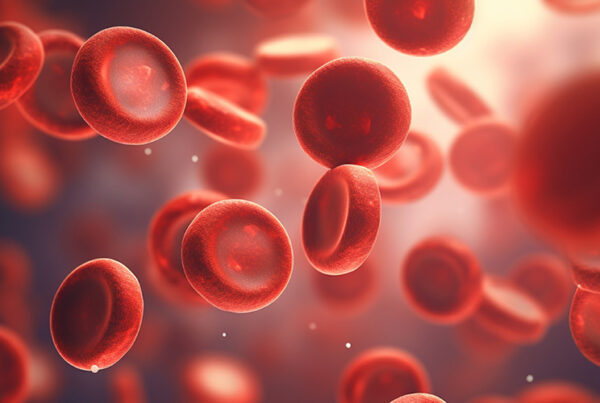
The bone marrow produces different types of blood cells, including red blood cells, white blood cells, and platelets. Red blood cells carry oxygen throughout the body, while white blood cells help fight infections. Platelets help the blood clot and control bleeding.
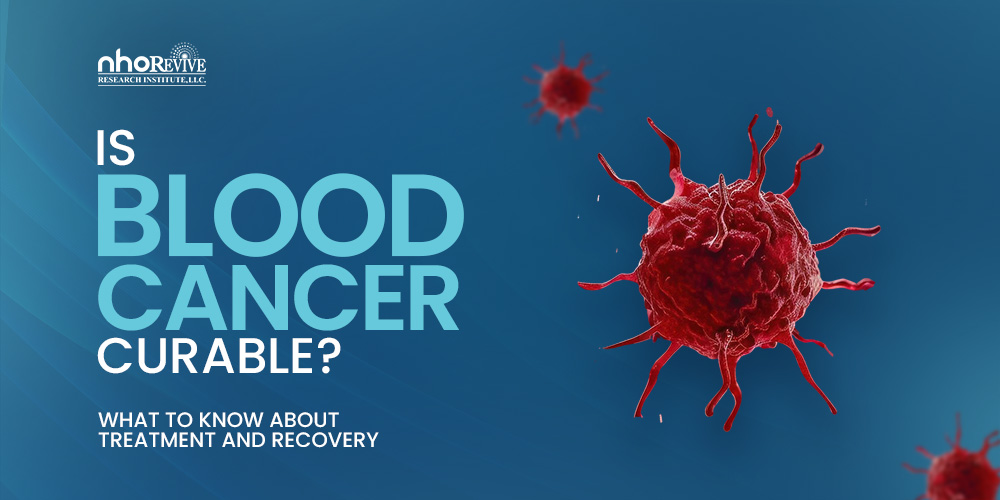
Blood cancer develops when abnormal blood cells grow and multiply without normal control. These cells can interfere with the production and function of healthy blood cells, affecting how the blood and immune system work.
Blood cancer is not one single disease. The main types include leukemia, lymphoma, and multiple myeloma. Each type has different subtypes, characteristics, and treatment approaches, which can affect a person’s outlook.
Is Blood Cancer Curable?
Whether blood cancer can be cured depends on the specific type and subtype, how far the cancer has progressed, and how it responds to treatment. Some blood cancers can be cured, while others can be controlled for many years with ongoing treatment. Because blood cancers behave differently, there is no single answer that applies to every diagnosis.
For example, some forms of leukemia and lymphoma can be cured, particularly when they respond well to treatment. However, certain blood cancers, such as chronic leukemia and multiple myeloma, are generally considered treatable rather than curable. Treatment can help control these cancers, reduce symptoms, and maintain remission for extended periods.
What Is the Difference Between Remission and a Cure?
Remission means that signs and symptoms of cancer have decreased or are no longer detectable after treatment. Complete remission means that tests show no evidence of the disease, but it does not always mean that every cancer cell has been eliminated. A cure generally means that the cancer has been eliminated and is not expected to return.
Doctors may also use the term relapse when cancer returns after a period of remission. Disease control refers to keeping the cancer stable or preventing it from progressing with treatment. These terms help doctors describe how a person’s cancer is responding and what may happen next.
Does the Prognosis Vary by Blood Cancer Type?
Yes. The outlook can differ considerably between leukemia, lymphoma, and multiple myeloma, as well as among their individual subtypes. Age, overall health, disease characteristics, response to treatment, and other factors can also influence prognosis.
Advances in treatments such as targeted therapy, immunotherapy, chemotherapy, and stem cell transplantation have expanded options for many people with blood cancer. A healthcare professional can provide more specific information about prognosis based on the individual’s diagnosis and treatment response.
Which Types of Blood Cancer Can Be Cured?
The possibility of a cure varies among blood cancers and their subtypes. Some can often be cured with treatment, while others are managed over time. The treatment response and individual characteristics of the cancer also influence the outlook.
Leukemia
Leukemia includes several types that behave differently and require different treatment approaches. Some acute leukemias, such as acute lymphoblastic leukemia (ALL), can be cured, particularly in children. Chronic leukemias, such as chronic myeloid leukemia (CML), are generally managed with long-term targeted treatment rather than considered curable.
Lymphoma
Several types of lymphoma can be cured with appropriate treatment. Hodgkin lymphoma is often highly treatable, with many people achieving long-term remission. Non-Hodgkin lymphoma includes many different subtypes, so the possibility of a cure varies based on the specific type and other disease characteristics.
Multiple Myeloma
Multiple myeloma is generally considered treatable but not usually curable. Treatment can help control abnormal plasma cells, reduce symptoms, and maintain remission. Treatment options may include targeted therapies, immunotherapy, chemotherapy, and stem cell transplantation, depending on the individual’s circumstances.
Furthermore, NHO Revive is conducting oncology clinical trials to evaluate an investigational drug against existing treatment options. The research aims to assess how well the investigational treatment works and evaluate its safety in people with multiple myeloma.
What Factors Affect Blood Cancer Prognosis?
Several factors can influence the prognosis of someone with blood cancer. Since every blood cancer behaves differently, doctors consider the type and subtype of blood cancer, disease characteristics, and response to treatment when assessing an individual’s outlook.
Type and Subtype of Blood Cancer
Leukemia, lymphoma, and multiple myeloma each have different subtypes and patterns of progression. Even within the same category, some subtypes may respond differently to treatment. Knowing the exact diagnosis helps doctors determine the likely course of the disease and appropriate treatment options.
Stage or Extent of Disease
The extent of blood cancer can affect prognosis, although staging works differently for different types. Doctors may consider factors such as the amount of cancer present, which areas of the body are affected, and whether the disease has spread.
Age and Overall Health
Age and overall health can influence how well someone tolerates certain treatments. Doctors may also consider other health conditions, daily activities, and general well-being when developing a treatment plan.
Genetic or Molecular Characteristics
Certain genetic or molecular changes in cancer cells can affect how the disease behaves and responds to treatment. Doctors may use specialized tests to identify these characteristics and help guide treatment decisions.
Response to Treatment
How the cancer responds to initial treatment can provide important information about prognosis. A strong response may indicate that the disease is responding well, while persistent or resistant cancer may require a different treatment approach.
Whether the Cancer Has Returned
Cancer that returns after a period of remission is called a relapse. The timing of the relapse, the type of blood cancer, and how it responds to further treatment can all affect the person’s prognosis.
How Is Blood Cancer Treated?
Treatment for blood cancer depends on the type and subtype of cancer, its extent, genetic characteristics, and how it responds to treatment. Doctors may use one treatment or combine several approaches based on the individual’s diagnosis and circumstances.
Chemotherapy
Chemotherapy uses medicines that destroy cancer cells or slow their growth. Different chemotherapy drugs may be used depending on the type of blood cancer and the goals of treatment.
Targeted Therapy
Targeted therapy focuses on specific features of cancer cells that help them grow or survive. Some targeted medicines work against particular genetic changes or proteins found in certain blood cancers.
Immunotherapy
Immunotherapy helps the immune system recognize and fight cancer cells. Depending on the blood cancer, treatment may include monoclonal antibodies or specialized approaches such as CAR T-cell therapy.
Radiation Therapy
Radiation therapy uses high-energy radiation to damage cancer cells and prevent them from multiplying. It may be used alone in certain situations or alongside other treatments, depending on the type and extent of blood cancer.
Stem Cell or Bone Marrow Transplantation
A stem cell transplant can replace blood-forming cells that have been damaged by cancer or intensive treatment. In an autologous transplant, a person’s own stem cells are collected and stored before intensive treatment, then returned afterward to help restore blood cell production. An allogeneic transplant uses healthy stem cells from a donor.
Combination Treatment Approaches
Doctors may combine different treatments when a single approach is not sufficient or when combination therapy is the standard approach for a particular blood cancer. The treatment plan can change based on how the cancer responds and whether the disease returns.
Because blood cancers differ considerably, there is no single treatment plan that applies to everyone. A healthcare team considers the specific diagnosis, overall health, treatment goals, and other individual factors when selecting an appropriate approach.
Conclusion
Blood cancer can be curable, depending on its type, subtype, and response to treatment. While some blood cancers can be cured, others can be managed over the long term. Understanding the diagnosis and available treatments can help patients discuss their prognosis and care options with their healthcare team.
Note: This content is for educational purposes only and is not intended to replace professional medical advice, diagnosis, or treatment. Always consult your healthcare professional for personalized guidance regarding your symptoms and treatment options.