Quick Answer
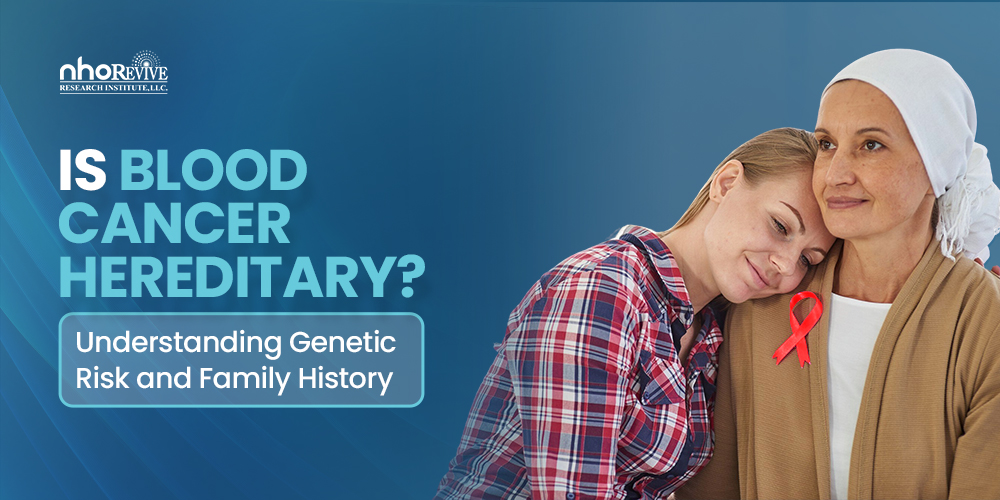
Blood cancer is not usually hereditary, as most cases result from genetic changes acquired during a person’s lifetime. However, certain inherited genetic conditions, such as Down syndrome and Fanconi anemia, can increase the risk of specific blood cancers. A family history may also affect risk. Genetic counseling can help assess inherited cancer risk and determine whether genetic testing may be needed.
Key Takeaways
- Most blood cancers are not hereditary and develop due to acquired genetic changes.
- Certain inherited conditions, including Down syndrome and Fanconi anemia, can increase blood cancer risk.
- Having a first-degree relative with blood cancer may increase your risk, but it does not mean you will develop the disease.
- Genetic counseling may help identify inherited cancer risks in families with a history of blood cancer.
What Is Blood Cancer?
Blood cancer is a group of cancers that affect the blood cells, bone marrow, or lymphatic system. It develops when genetic changes cause abnormal blood cells to grow and multiply uncontrollably, which can interfere with the production and function of healthy blood cells.
The three main types of blood cancer are leukemia, lymphoma, and multiple myeloma. Leukemia affects blood-forming tissues and causes abnormal blood cells to build up. Lymphoma affects lymphocytes, a type of white blood cell found in the lymphatic system. Multiple myeloma develops in plasma cells, which are immune cells that produce antibodies.
Is Blood Cancer Hereditary?
Most blood cancers are not hereditary, meaning they are not directly passed from parents to children. Although blood cancers involve changes in DNA, most of these changes develop during a person’s lifetime rather than being present from birth.
Acquired Genetic Changes
Most blood cancers develop because of acquired mutations, which are DNA changes that occur during a person’s lifetime. These changes develop in specific cells, including blood-forming cells, rather than being present throughout the body from birth.
Inherited Genetic Risk
An inherited genetic change is present in the body’s cells from birth and can be passed from a parent to a child. Certain inherited gene changes can increase the risk of developing specific blood cancers. However, having an inherited genetic change does not necessarily mean that a person will develop cancer.
Genetic Conditions Linked to Blood Cancer
Some inherited genetic conditions and gene changes are associated with a higher risk of certain blood cancers. For example, changes in genes such as RUNX1, GATA2, and DDX41 can increase the risk of certain blood cancers and related conditions.
Which Blood Cancers May Have a Genetic Link?
The three major types of blood cancer can have different relationships with inherited genetic factors and family history. In most cases, genetic changes develop during a person’s lifetime. However, certain inherited conditions or genetic variants can increase susceptibility to specific blood cancers.
Leukemia
Most leukemia cases result from acquired genetic changes that develop in blood-forming cells during a person’s lifetime. These changes are not inherited from parents and generally cannot be passed to children.
However, some inherited conditions can increase the risk of developing leukemia and other blood disorders. For example, inherited changes in genes such as RUNX1, ETV6, and GATA2 have been linked to hereditary blood cancer predisposition. These conditions can affect blood cell development or other aspects of the immune system, increasing the likelihood of certain blood cancers.
Lymphoma
Lymphoma is generally not directly inherited. However, having a close family member with lymphoma may be associated with a higher risk of developing the disease. Researchers have studied inherited genetic differences that may contribute to susceptibility to certain lymphoma subtypes.
This does not mean that lymphoma is passed directly from one generation to another. A family history may reflect shared genetic factors, environmental exposures, or other factors that influence cancer risk. Therefore, having a relative with lymphoma does not mean a person will develop it.
Multiple Myeloma
Multiple myeloma is also not usually considered a hereditary cancer. However, research has found that people with a family history of multiple myeloma or related blood cancers may have an increased risk. The NCI has studied families in which multiple relatives developed multiple myeloma and other lymphoproliferative disorders to better understand the genetic factors involved.
Researchers continue to study inherited genetic susceptibility to multiple myeloma. This means some people may inherit genetic factors that increase their likelihood of developing the disease, but inheriting these factors does not mean that cancer will definitely develop.
What Genetic Conditions Can Increase Blood Cancer Risk?
Certain inherited genetic conditions can increase the risk of developing blood cancers. These conditions involve genetic changes that are present from birth and may affect how cells grow, repair DNA, or maintain normal chromosome function. Having one of these conditions increases risk but does not mean a person will necessarily develop blood cancer.
Down Syndrome
Down syndrome occurs when a person has an extra copy of chromosome 21. Children with Down syndrome have a higher risk of developing certain blood cancers, particularly acute lymphoblastic leukemia (ALL) and acute myeloid leukemia (AML).
Fanconi Anemia
Fanconi anemia is an inherited disorder that affects the body’s ability to repair damaged DNA. This can cause problems with blood cell production and increases the risk of acute myeloid leukemia (AML) and myelodysplastic syndromes (MDS).
Li-Fraumeni Syndrome
Li-Fraumeni syndrome is an inherited condition usually caused by changes in the TP53 gene, which helps regulate cell growth and prevent damaged cells from multiplying. People with this syndrome have an increased risk of several cancers, including some types of leukemia.
Other Genetic Conditions
Several other inherited conditions have also been linked to an increased risk of blood cancers. Bloom syndrome, ataxia-telangiectasia, and neurofibromatosis type 1 (NF1) are examples. Their associated risks can vary, with some being linked to leukemia and others to lymphoma or related blood disorders.
Overall, these conditions account for a relatively small proportion of blood cancers. Most people who develop blood cancer do not have an inherited genetic syndrome.
Does Having a Family History Increase Your Risk?
Having a family history of blood cancer may increase a person’s risk, but the level of risk depends on the type of blood cancer and the family relationship. A family history can sometimes reflect inherited genetic factors that make certain people more susceptible to cancer.
How Family History May Affect Risk
Having a first-degree relative, such as a parent, sibling, or child, with certain blood cancers may be associated with a higher risk compared with someone without a family history. However, this does not necessarily mean that the cancer was directly inherited. Shared genetic factors, environmental exposures, and other factors may contribute to the increased risk.
When Should Family History Be Evaluated?
A healthcare professional may recommend further evaluation when multiple close relatives have had blood cancers, cancers occur at unusually young ages, or several family members have related blood disorders or cancers. In some situations, genetic counseling or testing may help determine whether an inherited cancer-predisposition condition could be present.
Should You Consider Genetic Testing?
Genetic testing can help identify inherited genetic changes that may increase the risk of certain blood cancers. However, testing is not necessary for everyone who has a family history of blood cancer. A healthcare professional or genetic counselor can review your personal and family history to determine whether testing may be appropriate.
What Does Genetic Testing Look For?
Genetic testing can look for inherited changes in genes associated with cancer predisposition. These tests may help identify conditions that increase the risk of leukemia, lymphoma, or other blood disorders. The specific genes tested depend on a person’s personal and family history.
Conclusion:
Blood cancer is not usually hereditary, but certain inherited genetic conditions and family histories can increase the risk. Having a relative with blood cancer does not mean you will develop it. If several relatives have been affected, discuss your family history with a healthcare professional to determine whether genetic counseling or testing may be appropriate.
Furthermore, NHO Revive is conducting oncology clinical trials to evaluate potential new treatments options for different types of cancer.
Note: This content is for educational purposes only and is not intended to replace professional medical advice, diagnosis, or treatment. Always consult your healthcare professional for personalized guidance regarding your symptoms and treatment options.