Quick Answer:
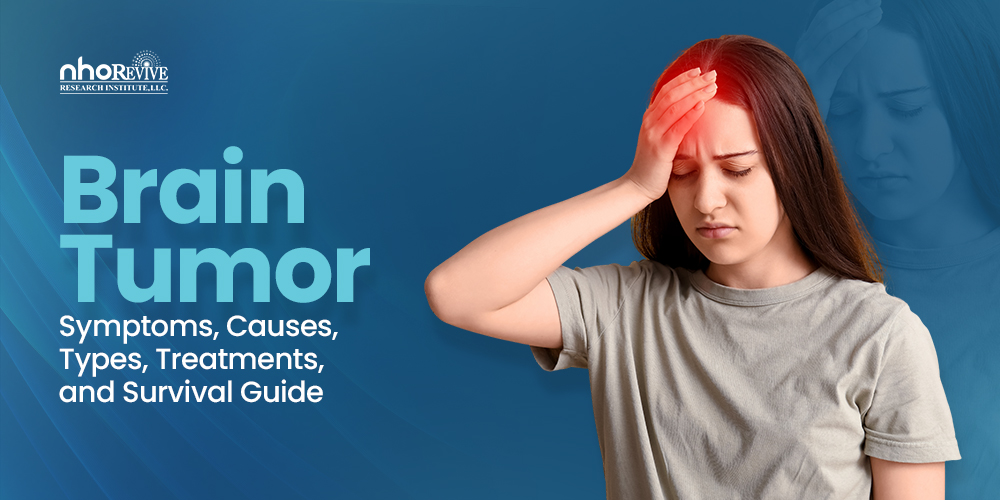
A brain tumor develops when abnormal cells grow in the brain or nearby tissues. Common brain tumor symptoms include persistent headaches, seizures, vision changes, balance problems, memory issues, and personality changes.
Treatment depends on the tumor’s type, size, and location and may include surgery, radiation therapy, chemotherapy, targeted therapy, or participation in Solid Tumor Clinical Trials. While not every brain tumor can be cured, many can be effectively treated or managed with modern medical care.
Key Takeaways
- A brain tumor can be benign (non-cancerous) or malignant (cancerous).
- Early recognition of brain tumor symptoms can lead to faster diagnosis and treatment.
- The symptoms of brain tumor vary depending on its size and location.
- Surgery, radiation, chemotherapy, targeted therapy, and clinical trials are among today’s leading brain tumor treatments.
- The brain tumor survival rate depends on several factors, including tumor type, grade, age, and overall health.
- Research continues to improve outcomes through Clinical Trials for Oncology.
What Is a Brain Tumor?
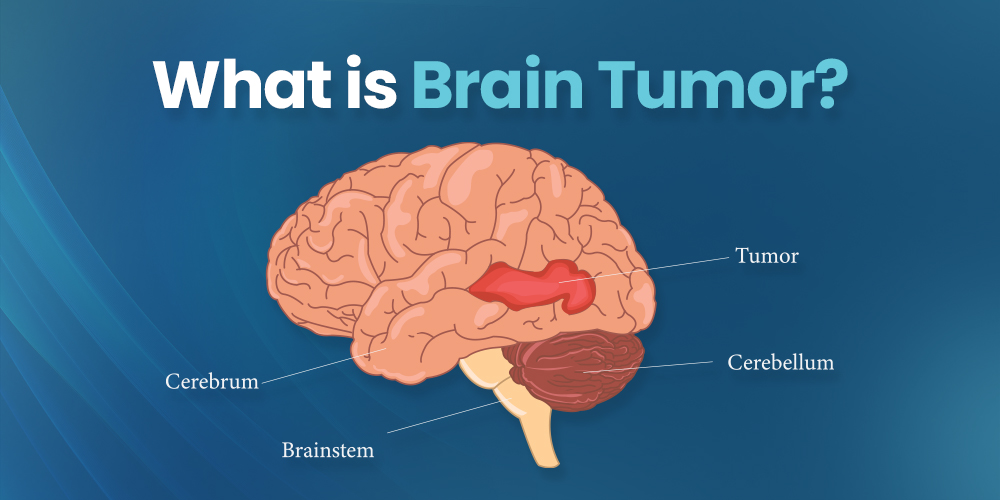
A brain tumor occurs when abnormal cells grow uncontrollably within the brain or surrounding tissues such as the meninges, cranial nerves, or pituitary gland. These tumors may begin in the brain itself (primary tumors) or spread from cancers elsewhere in the body (secondary or metastatic tumors).
Although many people associate brain tumors with cancer, not every brain tumor is cancerous. Some grow slowly over many years, while others progress rapidly and require urgent medical treatment.
The symptoms and treatment plan depend on the tumor’s size, location, and biological behavior.
Brain Tumor Symptoms
Recognizing brain tumor symptoms early is important because many signs develop gradually and can resemble other medical conditions.
Common brain tumor symptoms include:
- Persistent or worsening headaches
- Seizures
- Blurred or double vision
- Difficulty speaking
- Memory problems
- Personality or behavior changes
- Weakness or numbness on one side of the body
- Poor coordination and balance
- Hearing problems
- Nausea and vomiting, especially in the morning
- Difficulty concentrating
- Increased fatigue
Not everyone experiences the same symptoms. Some individuals have very subtle changes that become noticeable only over time.
Symptoms of Brain Tumor Based on Location
The symptoms of brain tumor often depend on where the tumor develops.
Frontal Lobe
- Personality changes
- Poor judgment
- Weakness
- Speech difficulties
Temporal Lobe
- Memory loss
- Hearing disturbances
- Seizures
Parietal Lobe
- Difficulty reading or writing
- Sensory changes
- Problems recognizing objects
Occipital Lobe
- Vision problems
- Partial vision loss
Cerebellum
- Poor balance
- Dizziness
- Difficulty walking
Understanding the symptoms of brain tumor by location helps physicians determine which diagnostic tests are needed.
Signs of Brain Tumor You Should Never Ignore
Some signs of brain tumor require immediate medical evaluation, especially if they appear suddenly or worsen over time. These include:
- First-time seizures
- Severe headaches that are different from usual
- Sudden vision changes
- Progressive weakness
- Confusion
- Difficulty speaking
- Persistent vomiting
- Loss of coordination
Although these signs of brain tumor do not always indicate cancer, they should never be ignored.
Brain Tumor Types
There are more than 120 recognized brain tumor types, ranging from slow-growing benign tumors to aggressive cancers.
Common brain tumor types include:
- Glioma
- Glioblastoma
- Meningioma
- Astrocytoma
- Oligodendroglioma
- Ependymoma
- Pituitary tumors
- Schwannoma
- Medulloblastoma
- Craniopharyngioma
Each of these brain tumor types behaves differently and requires individualized treatment planning.
Benign Brain Tumor
A benign brain tumor is not cancerous and generally grows slowly. However, because the brain is enclosed within the skull, even a benign brain tumor can place pressure on nearby structures and cause serious symptoms. Examples include:
- Meningioma
- Pituitary adenoma
- Vestibular schwannoma
Many patients recover well after surgery, although ongoing monitoring is often recommended.
Malignant Brain Tumor
A malignant brain tumor is cancerous and tends to grow more rapidly than benign tumors.
Characteristics of a malignant brain tumor include:
- Invasion into nearby brain tissue
- Faster growth
- Greater likelihood of recurrence
- Need for aggressive treatment
Glioblastoma is one of the most common examples of a malignant brain tumor.
Brain Tumor Causes
Many people ask about brain tumor causes, but in most cases, doctors cannot identify one exact reason. Known brain tumor causes and risk factors include:
- Genetic mutations
- Certain inherited syndromes
- Previous radiation exposure
- Increasing age
- Family history (rare)
- Exposure to high-dose ionizing radiation
Researchers continue studying additional possible causes of brain tumor, but most occur without a clear explanation.
Causes of Brain Tumor: Are They Preventable?
The exact causes of brain tumor remain unclear for many patients. Scientists believe that abnormal DNA changes cause brain cells to multiply uncontrollably. Although lifestyle factors are strongly linked to cancers like lung or colon cancer, they are less clearly associated with primary brain tumors.
Current research continues investigating environmental exposures, genetics, and immune system influences.
Transition From Breast Cancer Tumor to Brain
A breast cancer tumor to brain refers to metastatic breast cancer that has spread to the brain. Patients with HER2-positive and triple-negative breast cancer have a higher likelihood of developing a breast cancer tumor to brain than other breast cancer subtypes.
Symptoms may include:
- Persistent headaches
- Vision changes
- Seizures
- Difficulty walking
- Weakness
Modern treatment often combines surgery, radiation therapy, systemic therapy, and clinical trials.
How I Knew I Had a Brain Tumor
Many patients describe realizing something was wrong after experiencing persistent symptoms that gradually worsened. How I knew I had a brain tumor often begins with headaches that become more frequent, unexplained seizures, vision changes, or difficulty remembering everyday tasks.
Some people initially assume stress, migraines, or fatigue are responsible, only to discover through imaging that a tumor is present. Every experience is unique, but ongoing neurological symptoms should always be evaluated by a healthcare provider.
How Is a Brain Tumor Diagnosed?
Diagnosis usually begins with a neurological examination followed by advanced imaging. Common diagnostic tests include:
- MRI scan
- CT scan
- Neurological assessment
- Biopsy
- Molecular testing
- PET imaging (selected cases)
These tests help determine tumor type, grade, and the most appropriate treatment plan.
Brain Tumor Treatments
Modern brain tumor treatments continue improving through advances in surgery and personalized medicine. Treatment options include:
- Surgery – Whenever possible, surgeons remove as much of the tumor as safely possible.
- Radiation Therapy – High-energy radiation destroys remaining tumor cells after surgery or treats tumors that cannot be removed.
- Chemotherapy – Certain medications help destroy rapidly growing cancer cells.
- Targeted Therapy – These drugs attack specific genetic changes found within certain tumors.
- Immunotherapy – Some patients may qualify for immunotherapy depending on tumor characteristics.
- Clinical Trials – Clinical research offers access to emerging therapies that are not yet widely available.
Treatment plans are personalized because no two tumors are exactly alike.
Brain Tumor Survival Rate
The brain tumor survival rate varies considerably depending on:
- Tumor type
- Tumor grade
- Patient age
- Overall health
- Response to treatment
- Whether the tumor can be completely removed
For example, some benign tumors have excellent long-term survival after surgery, while aggressive cancers such as glioblastoma require ongoing treatment. Rather than focusing on averages alone, physicians evaluate each patient’s individual prognosis.
Is Brain Cancer Curable?
Many people ask, can brain tumor be cured? The answer depends on the specific diagnosis. Some brain tumors, particularly benign tumors or low-grade cancers that can be completely removed, may be effectively cured. Others may not be permanently curable but can often be treated successfully for many years through surgery, radiation, medications, and ongoing monitoring.
Medical advances continue improving survival and quality of life for many patients.
How to Prevent Brain Tumor
Currently, there is no guaranteed method for how to prevent brain tumor, as many cases develop without a known cause. However, experts recommend limiting unnecessary exposure to ionizing radiation, wearing appropriate protective equipment in high-risk workplaces, maintaining a healthy lifestyle, and attending regular medical checkups.
While these measures cannot eliminate the risk, understanding how to prevent brain tumor involves focusing on overall brain health and reducing avoidable risk factors whenever possible.
Clinical Trials Are Advancing Brain Tumor Care
Clinical research continues to improve treatment options for patients diagnosed with brain tumors. Depending on eligibility, patients may consider participating in:
Clinical trials may provide access to promising therapies while helping researchers develop future standards of care.
Take the Next Step Toward Expert Care
If you or a loved one has been diagnosed with a brain tumor or is experiencing concerning neurological symptoms, speaking with a specialist is an important next step. Advances in imaging, personalized therapies, and clinical research continue to improve treatment options for many patients.
Ask your healthcare provider whether participation in Solid Tumor Clinical Trials in Nebraska may be appropriate for your specific diagnosis and treatment goals.
Conclusion
A brain tumor diagnosis can feel overwhelming, but advances in medical imaging, surgery, targeted therapies, and personalized treatment have significantly improved outcomes for many patients.
Understanding brain tumor symptoms, knowing the possible causes of brain tumor, and seeking prompt medical evaluation for persistent neurological changes can make a meaningful difference. Whether the tumor is benign or malignant, early diagnosis and an individualized treatment plan offer the best opportunity for effective care and improved quality of life.
FAQs
What are the first warning signs of a brain tumor?
The earliest warning signs often include persistent headaches, seizures, vision changes, balance problems, memory issues, personality changes, or weakness on one side of the body. Symptoms vary depending on the tumor’s location.
What is the main cause of brain tumors?
There is no single main cause. Most brain tumors develop because of genetic changes within cells. Risk factors include age, certain inherited conditions, and previous exposure to high-dose radiation.
Is brain tumor hereditary?
Most brain tumors are not hereditary. However, a small percentage are associated with inherited genetic syndromes that increase the risk of developing certain types of brain tumors.