Key Takeaways
- Brain tumor symptoms often develop gradually and vary depending on the tumor’s location.
- Persistent headaches, seizures, vision changes, and memory problems should be medically evaluated.
- MRI is commonly used to diagnose suspected brain tumors.
- There is no guaranteed method for how to prevent brain tumor, but healthy lifestyle choices support overall well-being.
- Clinical trials may offer access to investigational treatment options for eligible patients.
Most people dismiss an occasional headache or brief episode of dizziness. I did too.
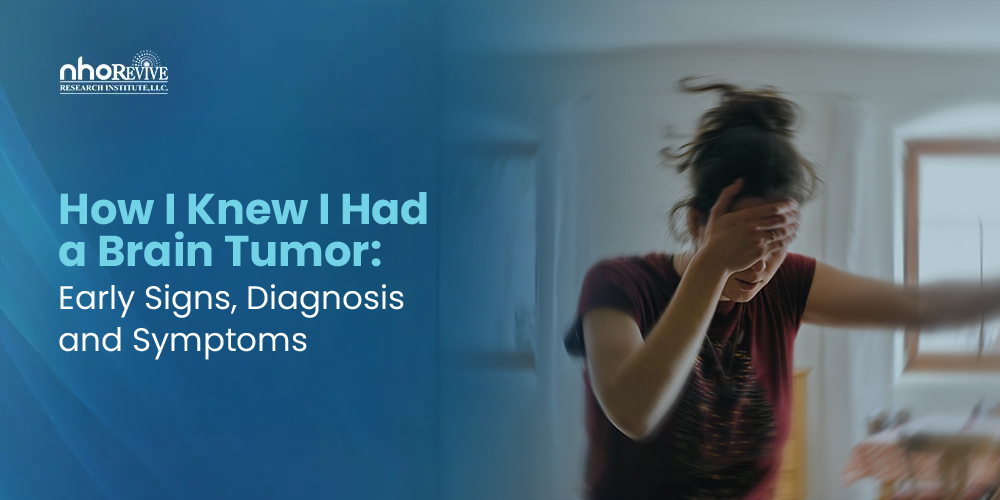
At first, the symptoms seemed unrelated. The headaches became more frequent. I found myself forgetting simple things. Some mornings, I struggled to focus during conversations. I blamed stress, lack of sleep, and long workdays.
It wasn’t until the symptoms became impossible to ignore that I decided to see a doctor.
While every person’s experience is different, many individuals search online for How I Knew I Had a Brain Tumor because they recognize unusual changes in their health and want to understand whether those symptoms deserve medical attention. Early diagnosis however often provides more treatment options and better outcomes.
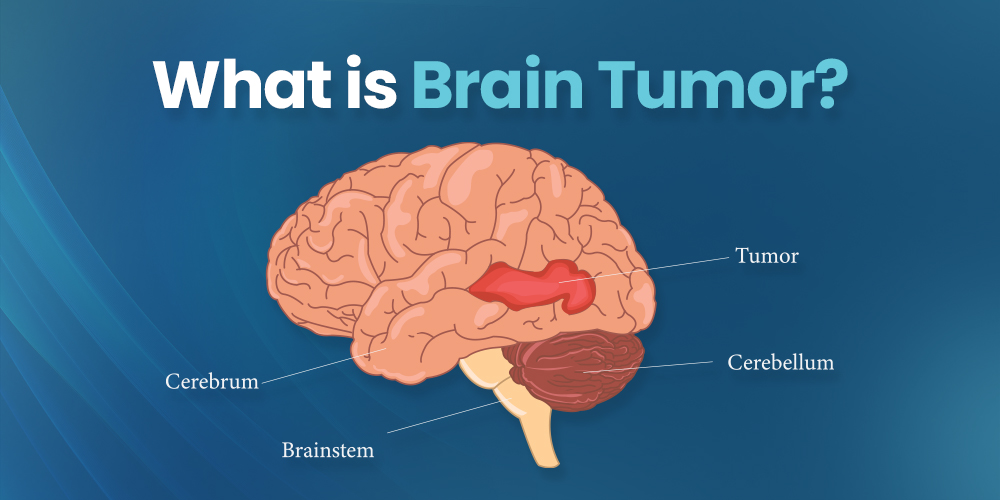
What Is a Brain Tumor?
Brain tumor is an abnormal growth of cells within or around the brain. Brain tumors may be:
- Benign (non-cancerous)
- Malignant (cancerous)
Some begin in the brain itself (primary brain tumors), while others spread from cancers elsewhere in the body (metastatic brain tumors).
The symptoms depend on several factors, including:
- Tumor size
- Location in the brain
- Growth rate
- Pressure on surrounding brain tissue
The First Symptoms I Couldn’t Ignore:
Looking back, none of the symptoms seemed alarming on their own. Instead, it was the gradual pattern that became concerning.
Persistent Headaches
The headaches were different from my usual ones. They became:
- More frequent
- More intense in the morning
- Less responsive to pain medication
Not everyone with headaches has a brain tumor, but headaches that change significantly should be discussed with a physician.
Changes in Vision
Sometimes my vision became blurry. Other times I noticed:
- Double vision
- Difficulty focusing
- Trouble seeing objects to one side
Vision changes can occur when tumors affect the visual pathways or increase pressure inside the skull.
Memory Problems
I started forgetting appointments. Finding the right words became harder. Friends noticed I repeated questions.
While memory issues have many possible causes, persistent cognitive changes deserve medical evaluation.
Balance Problems
Walking suddenly felt different. I occasionally stumbled for no obvious reason.
Tumors affecting the cerebellum or nearby brain structures may interfere with balance and coordination.
Unexplained Nausea
Morning nausea without stomach illness surprised me. Sometimes it came with headaches.
Personality or Mood Changes
Family members noticed I became:
- Irritable
- Easily frustrated
- Emotionally different
Changes in mood or behavior may occur depending on where a tumor develops within the brain.
Seizures
For some people, the first noticeable symptom is a seizure. Even individuals with no previous seizure history should seek immediate medical evaluation after a first seizure.
When I Finally Saw a Doctor
Eventually, the symptoms became impossible to explain away. My doctor performed a neurological examination, checking:
- Reflexes
- Vision
- Coordination
- Muscle strength
- Balance
- Cognitive function
Because my symptoms continued, imaging tests were recommended.
How Brain Tumors Are Diagnosed?
Diagnosis usually involves several steps.
MRI Scan
Magnetic Resonance Imaging (MRI) is often the preferred imaging method for evaluating suspected brain tumors. It provides detailed images of brain structures.
CT Scan
CT scans may be used in emergency situations or when MRI is not immediately available.
Neurological Examination
Doctors evaluate:
- Memory
- Speech
- Movement
- Coordination
- Reflexes
- Sensation
Biopsy
If imaging identifies a suspicious mass, doctors may recommend obtaining a tissue sample to determine the exact tumor type. This information helps guide treatment planning.
Common Symptoms of a Brain Tumor
Symptoms vary considerably depending on the tumor’s location. Common symptoms include:
- Persistent headaches
- Seizures
- Weakness in an arm or leg
- Vision changes
- Hearing problems
- Memory difficulties
- Personality changes
- Difficulty speaking
- Confusion
- Balance issues
- Persistent nausea
- Fatigue
Having one or more of these symptoms does not necessarily mean someone has a brain tumor. Many neurological and non-neurological conditions can produce similar symptoms.
What Count as Risk Factors?
Doctors cannot identify a specific cause for most brain tumors. However, some known risk factors include:
- Increasing age
- Certain inherited genetic conditions
- Previous radiation therapy to the head
- Rare genetic syndromes
Most people diagnosed with a brain tumor have no identifiable risk factor.
How to Prevent Brain Tumor?
Many people ask how to prevent brain tumor after learning about the disease.
Currently, there is no proven way to completely prevent brain tumor development because most occur without a known cause. However, maintaining overall health remains important.
Healthy habits include:
- Avoid unnecessary exposure to ionizing radiation
- Wear protective equipment to reduce serious head injuries
- Avoid tobacco products
- Eat a balanced diet
- Exercise regularly
- Manage chronic medical conditions
- Attend regular medical checkups
While these steps support overall health, they cannot guarantee prevention. Researchers continue studying genetic and environmental factors that may contribute to brain tumors.
Some Treatment Options Available:
Treatment depends on:
- Tumor type
- Tumor location
- Grade
- Patient age
- Overall health
Common treatments include:
Surgery
Often the first treatment when the tumor can be safely removed.
Radiation Therapy
Uses targeted radiation to destroy tumor cells.
Chemotherapy
Certain medications help treat specific tumor types.
Targeted Therapy
Some tumors respond to treatments aimed at specific molecular changes.
Clinical Trials
Many patients consider clinical trials to access promising investigational therapies while contributing to future medical research.
The Role of Clinical Trials
Clinical trials play an essential role in advancing cancer care by evaluating new treatments, improving existing therapies, and enhancing the quality of life for patients. Every approved cancer treatment available today has undergone rigorous clinical testing to ensure its safety and effectiveness.
For individuals with brain tumors and other cancers, participating in a clinical trial may provide access to investigational therapies while contributing to future medical discoveries.
Here are some areas where clinical research is making an impact:
Solid Tumor Clinical Trials
These studies investigate new medications, immunotherapies, targeted therapies, combination treatments, or innovative approaches to surgery and radiation. The goal is to improve treatment outcomes, reduce side effects, and expand options for patients with different types and stages of solid tumors.
Clinical Trials for Oncology
Oncology clinical trials encompass a broad range of cancer research, from prevention and early detection to diagnosis, treatment, survivorship, and supportive care.
Depending on the study, participants may help researchers assess new therapies, compare existing treatment approaches, or explore ways to better manage symptoms and treatment-related side effects. These trials are critical to developing the next generation of cancer care.
Clinical Research Studies in Nebraska
Local access to clinical trials can make participation more convenient while helping expand treatment options for communities across the region.
Your healthcare provider can help determine whether a clinical trial is appropriate for your specific diagnosis.
When Should You See a Doctor?
Seek medical evaluation if you experience symptoms such as:
- Persistent or worsening headaches
- New seizures
- Sudden vision changes
- Difficulty speaking
- Weakness or numbness
- Problems with balance
- Persistent confusion
- Ongoing memory changes
Prompt evaluation does not necessarily mean a serious diagnosis, but it helps identify the underlying cause sooner.
Final Thoughts
Searching for How I Knew I Had a Brain Tumor often begins with a simple question: Are these symptoms normal?
While many symptoms associated with brain tumors have more common explanations, persistent neurological changes should never be ignored. Early medical evaluation can lead to timely diagnosis, appropriate treatment, and, when appropriate, access to innovative clinical research opportunities.
If you or someone you know has ongoing neurological symptoms, consult a qualified healthcare provider rather than relying on self-diagnosis.
FAQs
What are usually the first signs of a brain tumor?
Common early symptoms may include persistent headaches, vision changes, seizures, memory problems, balance issues, or changes in thinking and behavior. Symptoms vary depending on the tumor’s location.
Does every headache mean a brain tumor?
Most headaches are caused by conditions other than brain tumors. However, headaches that are new, worsening, persistent, or accompanied by neurological symptoms should be evaluated by a healthcare provider.
Can a brain tumor be found during a routine checkup?
Most brain tumors are diagnosed after symptoms prompt further evaluation. Imaging tests such as MRI or CT scans are typically required for diagnosis.
How to prevent brain tumor?
There is currently no proven way to completely prevent brain tumor development. Maintaining a healthy lifestyle, avoiding unnecessary radiation exposure, and attending regular medical checkups may support overall health, but they cannot eliminate risk.
Are all brain tumors cancerous?
Some brain tumors are benign (non-cancerous), while others are malignant (cancerous). Both types may require treatment depending on their size and location.
Can patients with brain tumors participate in clinical trials?
Depending on the tumor type, stage, previous treatments, and eligibility criteria, some patients may qualify for oncology clinical trials evaluating investigational therapies.