Quick Answer:
The brain tumor survival rate depends heavily on the tumor type. Overall, about 36 of every 100 people with a malignant brain or spinal cord tumor are alive five years after diagnosis. Non-cancerous tumors have a much higher rate, often above 90%. Similarly, the survival rate for brain tumors falls with age and with higher tumor grade. Brain cancer life expectancy also depends on how well treatment works. Therefore, these numbers are averages from past patients. They cannot tell you what will happen in your case. Your doctor can explain how your own details change the picture.
Key Takeaways
- The brain tumor survival rate shows how many people are alive five years after diagnosis.
- Brain cancer life expectancy varies widely by tumor type, grade, and age.
- A survival rate describes a group, so it cannot predict your own outcome.
- Many brain tumors are non-cancerous, and those have much higher survival rates.
Introduction
A brain tumor diagnosis can feel overwhelming. Suddenly you hear terms like grade, biopsy, and five-year survival. Naturally, you want clear answers. Statistics can help, but only when you know how to read them.
In this article, you will learn how doctors measure survival and which factors change the outlook. You will also see which early signs to watch for. Additionally, you will learn how treatment and prevention research fit into the bigger picture. Let’s start with the basics.
What Is a Brain Tumor, and How Serious Is It?
What Is a Brain Tumor?
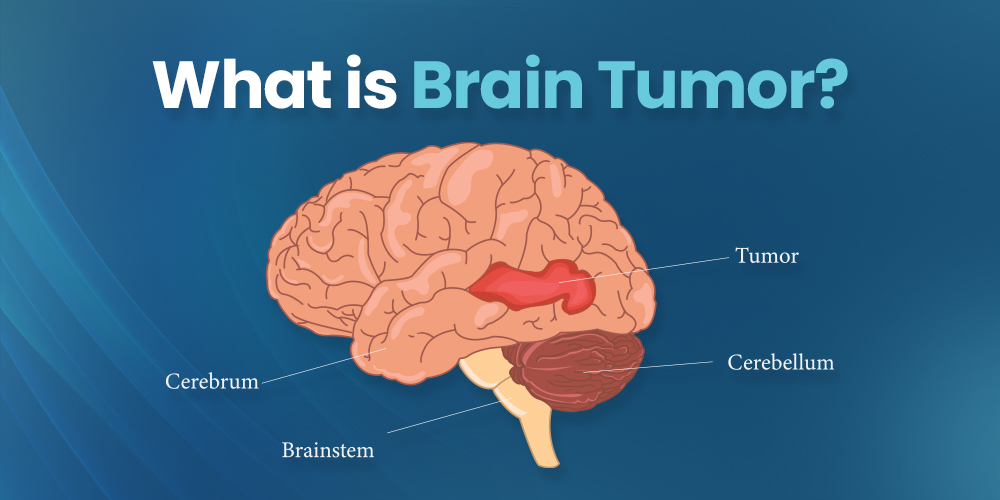
A brain tumor is a mass of abnormal cells in or near the brain. Some tumors start in the brain itself. Others spread there from cancer in another part of the body. Primary tumors can be non-cancerous or cancerous. Non-cancerous tumors grow slowly and rarely spread. Even so, they can press on vital areas and cause symptoms.
How Serious Is a Brain Tumor?
How serious a brain tumor is depends on its type, grade, and location. Some low-grade tumors are cured with surgery alone. Fast-growing tumors, such as glioblastoma, are much harder to treat.
Therefore, brain cancer life expectancy ranges from many years to about 15 months for the most aggressive types. Location matters too, since tumors near speech or movement centers limit surgery. Your care team weighs all of these factors together.
What Is the Brain Tumor Survival Rate?
How Do Doctors Measure Survival Rate?
Doctors usually report a five-year relative survival rate. This number compares people with a tumor to people without one.
For example, a 36% rate means 36 of 100 people are alive at five years. However, the data come from people diagnosed years ago.
Some treatments have improved since then. Consequently, the brain tumor survival rate today may be better than older figures suggest.
What Is the Survival Rate for Brain Tumors by Type?
The survival rate for brain tumors differs greatly between types. Pilocytic astrocytoma, a slow-growing tumor common in children, has a five-year rate above 90%. In contrast, glioblastoma has a five-year rate near 7%.
Most meningiomas, the most common primary tumor, are non-cancerous and have high rates. The table below shows typical figures. Remember, each number is a rough average.
Figures are approximate and come from national registry data (CBTRUS) and American Cancer Society reports.
What Do Survival Statistics Not Tell You?
Statistics cannot predict what will happen to one person. They include people with many different health histories. Also, they cannot show how you will respond to a specific treatment. Some people live far longer than the numbers suggest. Others face a tougher course than average. Therefore, use the figures for context, not as a forecast.
What Affects Brain Cancer Life Expectancy?
Does Age Change the Outlook?
Yes, age plays a big role. Children and young adults tend to do better than older adults. For malignant tumors, the five-year rate is about 75% under age 15.
By contrast, it is about 21% for adults over 40. Younger bodies often tolerate intense treatment better. Brain cancer life expectancy therefore shifts with age.
How Do Tumor Grade, Location, and Genetics Matter?
Grade describes how fast tumor cells grow and spread. Grades run from 1 to 4, and higher grades mean faster growth. Location decides how much of the tumor surgeons can safely remove.
Genetics matter as well. For instance, an IDH mutation often signals a slower course. These details shape the survival rate for brain tumors in each patient.
Why Does Treatment Response Matter?
Surgery, radiation, and chemotherapy are the main treatments. How well a tumor responds changes the outlook. Doctors track this with scans and regular checkups. Meanwhile, researchers keep testing new drugs in clinical research studies. These studies aim to raise the brain tumor survival rate over time.
What Treatment Options Exist?
How Do Doctors Treat a Brain Tumor?
Treatment depends on tumor type, grade, and location. Surgery is often the first step, and surgeons remove as much tumor as is safe. Next, radiation uses focused beams to destroy remaining cells.
Chemotherapy uses drugs to slow or stop tumor growth. Additionally, targeted therapy attacks specific changes inside tumor cells. Many patients receive a mix of these treatments.
Will Treatment Affect Daily Life?
Treatment can cause tiredness, nausea, and hair loss. It may also affect memory, mood, or movement. Fortunately, physical, speech, and occupational therapy can help. Likewise, counsellors and support groups ease the emotional load. Tell your team about any new side effect early. Small fixes often make a big difference.
How Do You Know If You Have a Brain Tumor?
What Early Signs Should You Watch For?
Symptoms depend on where the tumor sits. Common signs include:
- Headaches that worsen or wake you at night
- Seizures, especially if you never had one before
- Changes in vision, hearing, or speech
- Balance trouble or weakness on one side
- Memory lapses or personality changes
When Should You See a Doctor?
See a doctor if a new symptom lasts more than a few days. Seek urgent care for a sudden seizure or a severe headache with vomiting. These signs do not always mean a brain tumor. Still, early checks give you more treatment choices. Doctors usually start with a neurological exam and an MRI scan. Early diagnosis often improves the outlook.
Can You Prevent a Brain Tumor?
What Does Research Say About Prevention?
Many people ask how to prevent brain tumor risk, but no sure method exists. Prior radiation to the head is the clearest known risk factor. Therefore, ask your doctor whether each head CT scan is truly needed.
Rare inherited conditions, like neurofibromatosis, also raise risk. You cannot change your genes, but you can stay alert. Meanwhile, large studies have found no clear link between cell phones and brain tumors.
How Can Clinical Trials Change the Outlook?
What Do Clinical Trials Offer Patients?
Clinical trials test new treatments before they become standard care. Some patients gain access to options not yet widely available.
Clinical trials for solid tumor often study targeted drugs and immunotherapy. Clinical trials for oncology also test new ways to combine surgery, radiation, and drugs. Each study follows strict safety rules and close monitoring. Over time, this research may improve brain cancer life expectancy and the brain tumor survival rate.
Living With a Brain Tumor
How Can You Stay Strong During Care?
Living with a brain tumor takes patience, and you do not need to rush. Start by bringing a trusted person to appointments. Write down questions before each visit. Furthermore, keep every follow-up scan, since early changes are easier to treat. Rest, light activity, and balanced meals support your energy. Keep in touch with your healthcare team whenever something feels off.
Conclusion
A brain tumor survival rate is a starting point, not a verdict. It shows how a large group did in the past. It does not define your story. Tumor type, grade, age, and treatment response all shape the outlook.
Moreover, new research keeps changing what is possible. Keep in touch with your healthcare team, and ask questions at every step. If you want to explore new options, consider NHO Revive’s clinical research studies. A trial may be worth discussing with your doctor. You do not have to face this alone.
Frequently Asked Questions
What is the average brain tumor survival rate?
About 36% of people with a malignant brain or spinal cord tumor live five years after diagnosis. Non-cancerous tumors have a rate near 92%.
Is a brain tumor always fatal?
No. Many brain tumors are non-cancerous, and surgery can cure some. Outcomes depend on tumor type, grade, location, and your overall health.
What is the survival rate for brain tumors in children?
For malignant tumors in children under 15, the five-year rate is about 75%. Rates vary widely by tumor type, so ask your child’s specialist.
Can brain cancer life expectancy improve with new treatment?
Yes, it can. Researchers test new drugs and combinations in clinical trials, and some have extended survival for certain patients.
How do I join a clinical trial for a brain tumor?
Ask your doctor first. Eligibility depends on tumor type, prior treatment, and health. You can also contact a research team directly.