
Quick Answer
Buccal mucosa cancer is a rare oral cancer that starts in the inner cheek. It is most often squamous cell carcinoma. Persistent sores, patches, lumps, or other unusual changes may require medical or dental evaluation.
Key Takeaways
- Buccal mucosa cancer starts in the inner lining of the cheek.
- Squamous cell carcinoma is the most common type.
- Persistent sores, patches, lumps, bleeding, or numbness should be checked.
- Tobacco, heavy alcohol use, and betel or areca nut can increase risk.
- A biopsy is commonly used to confirm the diagnosis.
- Treatment may include surgery, radiation, chemotherapy, or other therapies.
- Early evaluation can help determine the cancer’s stage and treatment options.
Buccal mucosa cancer (inner cheek cancer) is a type of oral cancer that develops in the moist lining of the inner cheek, known as the buccal mucosa. This tissue helps protect the inside of the mouth and plays a role in everyday activities such as chewing and speaking. When abnormal cells begin to grow uncontrollably in this area, they can form a tumor and, in some cases, spread to nearby tissues or lymph nodes.
Because changes inside the cheek can sometimes look similar to common mouth sores, irritation, or other less serious conditions, early signs may be easy to overlook. Understanding what to watch for can help people recognize persistent changes and seek medical or dental evaluation when needed.
This blog explains everything about buccal mucosa cancer, including its symptoms, causes, risk factors, diagnosis, and stages. It also explores how clinical research may help shape better cancer care in the future.
What Is Buccal Mucosa Cancer?
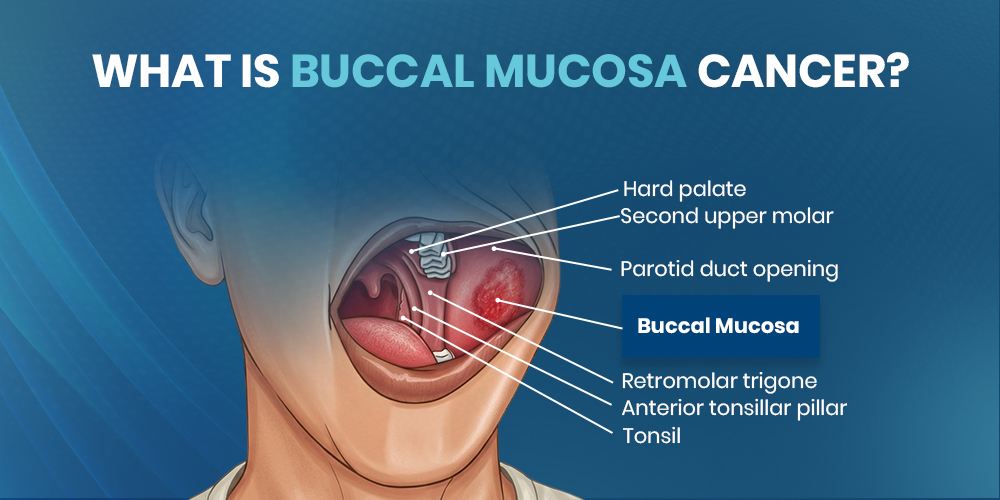
Buccal mucosa cancer is a rare but potentially aggressive cancer that begins in the lining of the inner cheek. It is a type of head and neck cancer and falls under oral cavity cancers. The buccal mucosa is the moist tissue inside the cheeks that helps with eating and chewing while protecting against infections and chemicals in food.
Most cases of inner cheek cancer are squamous cell carcinoma (SCC), which develops in the thin, flat cells lining the inner cheek. Early abnormal changes may be limited to the surface, known as carcinoma in situ. As the cancer grows, it can invade deeper tissues and, in advanced cases, spread to nearby lymph nodes or other parts of the body, known as metastatic cancer.
What Are the Types of Buccal Mucosa Cancer?
Although squamous cell carcinoma is the most common type, other cancers can also develop in the inner cheek. These include:
- Lymphoma: A cancer that develops when lymphoid cells in the mouth become abnormal and cancerous.
- Mucosal melanoma: A rare cancer that develops from melanocytes, the pigment-producing cells found in the lining of the mouth.
- Verrucous carcinoma: A slow-growing form of oral cancer that is generally considered highly treatable.
How Common Is Buccal Mucosa Cancer?
The American Cancer Society estimates around 15,000 new cases of mouth cancer each year in the U.S., including inner cheek cancer, gums, teeth, and roof of the mouth. Oral cancer is more common with age, particularly among adults over 40.
What Are the Symptoms of Buccal Mucosa Cancer?
The buccal mucosa cancer symptoms can vary from person to person. Some people may notice a visible change inside the cheek, while others may first experience discomfort or difficulty with everyday activities such as chewing. Early signs can also be mild, so it is important to pay attention to changes that do not go away.
Common symptoms may include:
- A sore or ulcer that does not heal
- A white or red patch inside the cheek
- A lump inside the cheek or thickened area
- Persistent pain, tenderness, or bleeding
- Numbness inside the mouth
- Swelling around the cheek or jaw
- Difficulty chewing, swallowing, or opening the mouth
- Loose teeth without an obvious cause
- A lump or swelling in the neck
- Unexplained weight loss
These inner cheek cancer symptoms can also have other causes, including infections, dental problems, and irritation from a sharp tooth or dental appliance. However, any unusual change that persists for more than a couple of weeks should be checked by a dentist or healthcare professional.
What Causes Buccal Mucosa Cancer?
Cancer usually develops through a combination of genetic changes and risk factors rather than one single cause. Some factors can damage cells over time and increase the chance that abnormal cells will develop and grow.
The strongest established risk factors for oral cancers include tobacco and heavy alcohol use. Smokeless tobacco products can also increase risk. In some regions, chewing betel nut or areca nut is another important risk factor.
Other factors may also play a role, including age, certain infections such as Human Papillomavirus (HPV), poor oral health, and long-term exposure to irritants.
However, having a risk factor does not mean that a person will develop inner cheek cancer. Likewise, someone without obvious risk factors can still develop cancer.
Is Buccal Mucosa Cancer Preventable?
There is no guaranteed way to prevent buccal mucosa cancer, but you can lower your risk by making healthy choices. Avoid tobacco, limit alcohol, and maintain good oral hygiene. Regular dental checkups can also help spot unusual changes early, so they can be evaluated promptly.
How Is Buccal Mucosa Cancer Diagnosed?
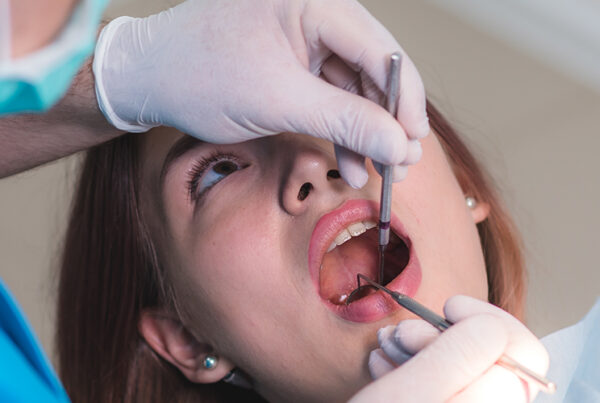
If a dentist or doctor notices a suspicious area inside the mouth, they will begin with a physical examination and ask about your symptoms and medical history. They may also check your neck for swollen lymph nodes.
Depending on what they find, diagnosis may involve:
- Oral examination: The doctor examines the cheeks, tongue, gums, and other areas of the mouth for unusual changes.
- Biopsy: A small sample of suspicious tissue is removed and examined under a microscope. A biopsy is one of the main ways to confirm whether abnormal cells are cancerous.
- Imaging tests: Scans may be used to understand the size and location of the cancer and check whether it has spread to nearby tissues.
- Lymph node evaluation: Nearby lymph nodes may be examined to determine whether cancer has spread beyond the original site.
Together, these findings help the cancer care team determine the stage of the cancer and develop an appropriate treatment plan.
What Are the Grades and Stages of Buccal Mucosa Cancer?
Grade and stage describe different aspects of buccal mucosa cancer. The grade shows how abnormal the cancer cells look under a microscope compared with healthy cells, while the stage describes how large the cancer is and how far it has spread.
Cancer grades include:
- GX: The grade cannot be determined.
- G1: Well-differentiated cells that look more like normal cells.
- G2: Moderately differentiated cells.
- G3–G4: Poorly differentiated cells that look more abnormal and may be more likely to spread.
Cancer stages range from 1 to 4 and are described using the TNM staging system:
- T describes the size and extent of the primary tumor.
- N indicates whether nearby lymph nodes are involved.
- M shows whether the cancer has spread to distant parts of the body.
In general, stage 1 buccal mucosa cancer describes a smaller, localized cancer, while higher stages indicate more extensive disease.
How Is Buccal Mucosa Cancer Treated?
Treatment depends on the cancer’s stage, size, location, depth, and overall health, as well as whether it has spread. A multidisciplinary cancer team may recommend one or more of the following:
Surgery
Surgery is often a key treatment. The goal is to remove the cancer while preserving as much healthy tissue and function as possible. It may involve removing part of the cheek lining and, when needed, nearby tissues or lymph nodes.
Radiation Therapy
Radiation uses high-energy beams to destroy cancer cells. It may be given after surgery or used in other situations, depending on the cancer and the risk of recurrence.
Chemotherapy and Other Treatments
Chemotherapy may be used for certain cancers, particularly advanced disease or alongside radiation. Depending on the cancer, immunotherapy or targeted therapy may also be considered.
How Is Buccal Mucosa Cancer Different from Other Oral Cancers?
Buccal mucosa cancer specifically starts in the inner cheek, while other oral cancers develop in different parts of the mouth. These may include:
- Jaw cancer
- Gum cancer
- Tongue cancer
- Salivary gland cancer
- Palate cancer
- Floor-of-mouth cancer
These conditions are all part of the broader group of oral cavity cancers. The exact location of a cancer matters because its risk factors, staging, and treatment can differ. Cancers that begin farther back in the mouth or throat may instead be classified as oropharyngeal cancer or throat cancer.
The Role of Clinical Research in Cancer Care
Cancer care continues to evolve as researchers study how tumors grow, spread, and respond to treatment. Clinical research may explore new treatments, treatment combinations, diagnostic methods, and ways to manage side effects.
For eligible participants, head and neck cancer clinical trials may offer an opportunity to contribute to research focused on cancers of the mouth, throat, and related areas. More broadly, clinical trials for oncology help researchers evaluate new ways to prevent, detect, diagnose, and treat cancer.
Participation is voluntary, and clinical trials do not guarantee a personal benefit. Each study has its own eligibility requirements, risks, procedures, and commitments, which should be discussed with the research team and healthcare provider.
Conclusion
Buccal mucosa cancer begins in the inner cheek and is most often a squamous cell carcinoma. Persistent sores, patches, bleeding, thickening, numbness, pain, or lumps should not be ignored. Diagnosis usually involves an examination and biopsy, while treatment depends on the cancer’s stage and may include surgery, radiation, chemotherapy, immunotherapy, or other approaches.
If you notice a persistent or unusual change inside your cheek, speak with a dentist or healthcare provider. Those interested in contributing to cancer research can also explore clinical research studies in Nebraska to learn about opportunities for eligible participants.
Frequently Asked Questions
Is buccal mucosa cancer the same as oral cancer?
Buccal mucosa cancer is a type of oral cancer that specifically begins in the inner cheek. Oral cancer is a broader term covering cancers that develop in different areas of the mouth.
What is the first sign of buccal mucosa cancer?
There is no single first sign. Possible warning signs include a persistent sore, white or red patch, thickened area, lump, bleeding, or unusual change inside the cheek.
Can a painless lump be cancer?
Yes. Cancerous growths can sometimes be painless. However, many lumps have noncancerous causes, so a new or persistent lump should be evaluated by a healthcare professional.
Is buccal mucosa cancer curable?
It can be treatable, particularly when found early. The outlook depends on the stage, size, grade, location, and spread of the cancer.
Can a dentist detect buccal mucosa cancer?
Yes. A dentist may notice suspicious changes during an oral examination. If needed, they can recommend further testing, with a biopsy typically used to confirm cancer.
Disclaimer: This blog is for general educational purposes only and is not a substitute for professional medical advice, diagnosis, or treatment. If you have persistent or unusual symptoms, consult a qualified healthcare professional for proper evaluation.