
Quick Answer
The first signs are usually small things, like indigestion that won’t settle, bloating after meals, or feeling full after only a few bites. Most people suspect stomach cancer when their symptoms don’t go away after a few weeks, or when new ones show up, such as unexplained weight loss, nausea, or trouble swallowing. Since ulcers and acid reflux feel similar, a doctor’s visit is the only way to know. It usually involves an upper endoscopy and a biopsy.
Key Takeaways
- Early gastric cancer symptoms are often vague and easy to mistake for common digestive problems.
- Persistent indigestion, early fullness, and unexplained weight loss should be medically evaluated.
- An upper endoscopy with biopsy is commonly used to diagnose suspected gastric cancer.
- The tumor type influences the treatment plan, so an accurate diagnosis is important.
- Clinical research continues to study gastric cancer, and eligibility for any study depends on individual factors.
Many people dismiss mild indigestion or a feeling of fullness after a small meal. I did too.
At first, my symptoms seemed unrelated. I felt full after only a few bites. I had occasional bloating and mild nausea in the mornings. I attributed these changes to stress and a busy schedule. It was only when they continued for several months that I sought medical advice.
While every person’s experience is different, many individuals search online for how I knew I had stomach cancer because they have noticed unusual digestive changes and want to know whether those symptoms deserve attention. Early diagnosis often provides more treatment options, which is why recognizing persistent changes matters.
What Is Stomach Cancer?
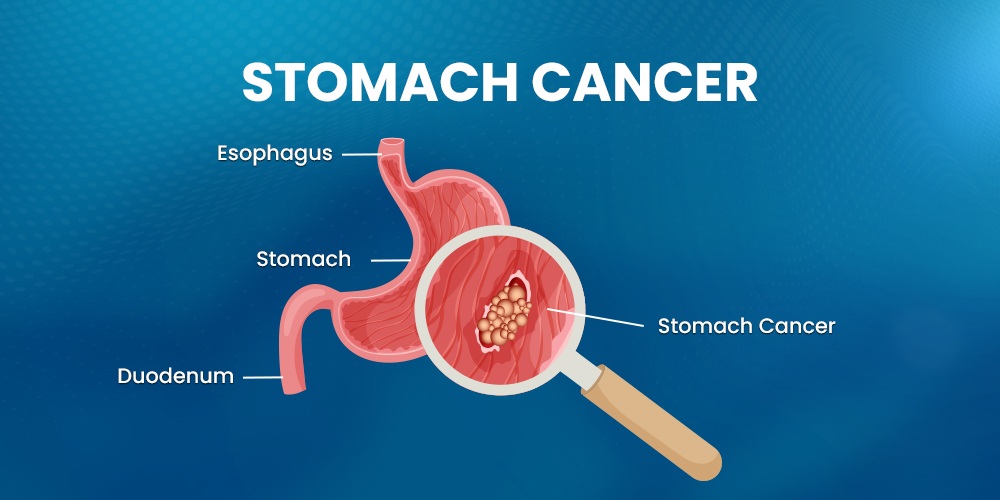
Stomach cancer, medically known as gastric cancer, is a disease in which abnormal cells grow in the lining or wall of the stomach. It can develop slowly, and early stages often cause few or no symptoms.
Tumors in the stomach are not all the same. The main types include:
- Adenocarcinoma, the most common type, which begins in the gland cells lining the stomach
- Gastrointestinal stromal tumors (GIST), a rarer type that begins in specialized cells in the wall of the digestive tract
These types behave differently and are usually treated differently. Identifying the exact type is an essential part of the diagnostic process.
The First Symptoms I Noticed
Looking back, none of my symptoms seemed alarming on their own. It was the persistence and gradual pattern that became concerning.
Persistent Indigestion
My indigestion became more frequent and was only partly relieved by antacids.
Indigestion is common and usually has simple causes. However, indigestion that does not improve should be discussed with a physician.
Feeling Full Too Quickly
I began leaving meals unfinished, often after only a few bites.
Early fullness can occur when a tumor affect how the stomach stretches and empties, although it has many other possible causes.
Bloating and Upper Abdominal Discomfort
A dull ache developed in my upper abdomen, often with bloating after meals. Ongoing discomfort in this area should be mentioned to a doctor, especially if it lasts more than a few weeks.
Unexplained Weight Loss
My clothes began to fit more loosely without any change in diet or exercise. Weight loss without trying should always be reported to a healthcare provider.
Nausea
I experienced mild nausea, usually in the morning, with no sign of a stomach illness. Some people also notice a reduced appetite.
When I Finally Saw a Doctor
After nearly three months of ongoing symptoms, I scheduled an appointment. My doctor began with a detailed review of my history. Doctors typically ask about:
- How long the symptoms have lasted
- What makes them better or worse
- Changes in weight and appetite
- Family history of digestive cancers
- Medications and previous stomach problems
A physical exam and blood tests followed. Because my symptoms continued, further testing was recommended.
How Is Gastric Cancer Diagnosed?
Diagnosis usually involves several steps. In my case, these took place over a few weeks.
Upper Endoscopy
An upper endoscopy uses a thin, flexible tube with a camera to view the esophagus and stomach lining. It is typically performed with sedation, and I experienced very little discomfort.
Biopsy
During the procedure, small tissue samples are collected. A pathologist examines them under a microscope to confirm whether cancer cells are present and to identify the type. Waiting for these results was the most difficult part of the process for me.
Blood Tests
Blood tests may reveal anemia, which can occur when a tumor causes slow bleeding. They support a diagnosis but cannot confirm it on their own.
Imaging Tests
CT or PET scans can show whether the disease has spread beyond the stomach. Some patients also have an endoscopic ultrasound to assess how deeply a tumor has grown into the stomach wall.
Biomarker Testing
Tumor samples may be tested for specific markers, such as HER2. These results can help guide treatment decisions, including the use of targeted therapy.
Common Symptoms of Stomach Cancer
Symptoms vary from person to person. Common symptoms include:
- Persistent indigestion or heartburn
- Feeling full after eating very little
- Unexplained weight loss
- Ongoing abdominal pain or bloating
- Nausea or vomiting
- Difficulty swallowing
- Black, tarry, or bloody stools
- Unusual fatigue
Having one or more of these symptoms does not necessarily mean someone has cancer. Ulcers, gastritis, and acid reflux can produce similar problems. However, persistent or worsening symptoms deserve medical evaluation.
What Counts as Risk Factors?
Doctors cannot always identify a specific cause. However, some known risk factors include:
- Long-term Helicobacter pylori (H. pylori) infection
- Family history of gastric cancer
- Smoking
- A diet high in smoked, pickled, or heavily salted foods
- Increasing age
- Certain inherited genetic conditions
- Chronic stomach inflammation or previous stomach surgery
Many people diagnosed have no identifiable risk factor. Anyone concerned about their personal risk can discuss their history with a doctor.
What Happens When Gastric Cancer Spreads?
When cancer spreads beyond its original location, it is called metastatic. Metastatic adenocarcinoma may involve nearby lymph nodes, the liver, the lining of the abdomen, or other organs. Staging tests help the care team understand how far the disease has progressed.
Advanced disease usually requires ongoing management rather than a single treatment. Research continues to study ways to improve outcomes and quality of life at every stage.
Treatment Options Available
Treatment depends on:
- Tumor type
- Stage
- Biomarker results
- Patient age
- Overall health
Common treatments include:
Surgery
Often the main treatment when the tumor can be safely removed. It may involve removing part or all of the stomach.
Chemotherapy
Medications that may be used before surgery, after surgery, or for advanced disease.
Radiation Therapy
Uses targeted radiation to destroy tumor cells, sometimes combined with chemotherapy.
Targeted Therapy and Immunotherapy
Some tumors respond to treatments aimed at specific molecular features. Biomarker testing helps identify who may benefit.
Clinical Trials
Some patients may be eligible for clinical trials. A care team can explain whether a study is appropriate for a specific diagnosis.
The Role of Clinical Trials in Gastric Cancer Care
During my care, I learned that many of the treatments used today were first evaluated in clinical trials. These studies are designed to answer important questions about safety and how well a therapy works.
Additionally, the benefits of clinical research go beyond one person. Every study adds to what doctors know and helps guide future care. Gastroesophageal junction adenocarcinoma clinical trials, for example, look at tumors that form where the esophagus meets the stomach. However, joining a study is your choice. Each study has its own rules about who can take part, and no study can promise a result. Meanwhile, your regular care stays an important part of the plan.
You can find ongoing research studies at NHO Revive on our website. The list may change over time. Your doctor can help you decide if a study is right for you.
When Should You See a Doctor?
Persistent symptoms are easy to dismiss, but they are worth discussing early. Seek medical evaluation if you experience:
- Digestive symptoms lasting more than two to three weeks
- Indigestion that does not improve with over-the-counter medication
- Unexplained weight loss
- Difficulty swallowing
- Repeated vomiting
- Black or bloody stools
- Persistent abdominal pain
Seek urgent care for severe abdominal pain or vomiting blood. Prompt evaluation does not necessarily mean a serious diagnosis, but it helps identify the cause sooner.
Final Thoughts
This is how I knew I had stomach cancer: not through one dramatic symptom, but through small digestive changes that would not go away. Most indigestion has an ordinary cause, but changes that last for weeks need to be medically evaluated.
Progress in cancer care depends on research. At NHO Revive, multiple clinical trials for oncology are being conducted to help physicians better understand how cancers behave and how they may be treated. If your symptoms persist, speak with a qualified healthcare provider.
Frequently Asked Questions
What does stomach cancer feel like?
Early on, it often feels like mild indigestion, bloating after meals, or a slight loss of appetite. Many people feel nothing at all. Symptoms that last or worsen should be checked.
Can stomach cancer go undetected for a long time?
Yes. Early stomach cancer often causes no clear symptoms, and vague ones are easily mistaken for acid reflux or ulcers. Persistent changes are worth a medical check.
Is stomach pain an early sign of stomach cancer?
Not usually. Early signs tend to be indigestion, bloating, and feeling full quickly. Ongoing or worsening upper abdominal pain should still be evaluated by a doctor.
How do I know if it’s stomach cancer or acid reflux?
Symptoms alone cannot tell the difference. Reflux often improves with treatment. Symptoms that keep returning, or come with weight loss, trouble swallowing, or black stools, need testing such as an endoscopy.
Who is most at risk of stomach cancer?
Risk is higher with H. pylori infection, smoking, family history, older age, and a diet high in smoked or heavily salted foods. Men are diagnosed more often than women.
Medical Disclaimer: This blog is for general educational purposes only and does not replace professional medical advice, diagnosis, or treatment. Always consult a qualified healthcare professional for health-related concerns.